| Item | Information |
| Booking Platform | eCitizen |
| Application | 100% Paperless |
| Booking Fee | KSh 1,050 |
| Inspection Time | Less than 20 Minutes |
| Re-inspection | Free within 13 Days |
| Inspection Report | Downloadable Online |
The information below refers to the previous NTSA inspection booking process. Under the new Traffic (Motor Vehicle Inspection) Rules, 2026, private vehicle owners may now pay:
- KSh 1,000 NTSA booking fee
- Up to KSh 1,000 inspection centre fee
Maximum total: KSh 2,000 for most private vehicles below 3,000cc.
Vehicle inspection has become one of the most important requirements for motorists, transport companies, PSV operators, and commercial vehicle owners in Kenya.
If you are booking inspection for PSV and commercial vehicles through the current NTSA eCitizen system, the booking fee remains KSh 1,050 (KSh 1,000 inspection fee + KSh 50 eCitizen convenience fee).
The proposed annual inspection framework for private vehicles under the 2026 regulations introduces a different fee structure that will be implemented separately.
How Much Does a Matatu Make in Kenya? 14-Seater Daily Income, Expenses & Owner Profits (2026)
Whether you are transferring ownership, renewing compliance, registering a commercial vehicle, or verifying roadworthiness, the National Transport and Safety Authority (NTSA) requires inspection booking through the NTSA eCitizen self-service portal.
Today, most NTSA inspection services are handled digitally, allowing vehicle owners to book inspections, make payments, and access reports online without visiting NTSA offices physically during the application stage.
For many Kenyans, understanding the inspection booking process can help avoid delays, failed inspections, penalties, and unnecessary trips to inspection centers.
NTSA Inspection Facts
How to Book NTSA Vehicle Inspection Online
The booking process is done through the NTSA eCitizen portal.
Step 1: Visit the NTSA Portal
Log into your eCitizen account and access NTSA services.
Navigate to the vehicle inspection section.
💰 Bid for This Space
Step 2: Select Vehicle Inspection
Inside the NTSA self-service portal, click:
Vehicle Inspection
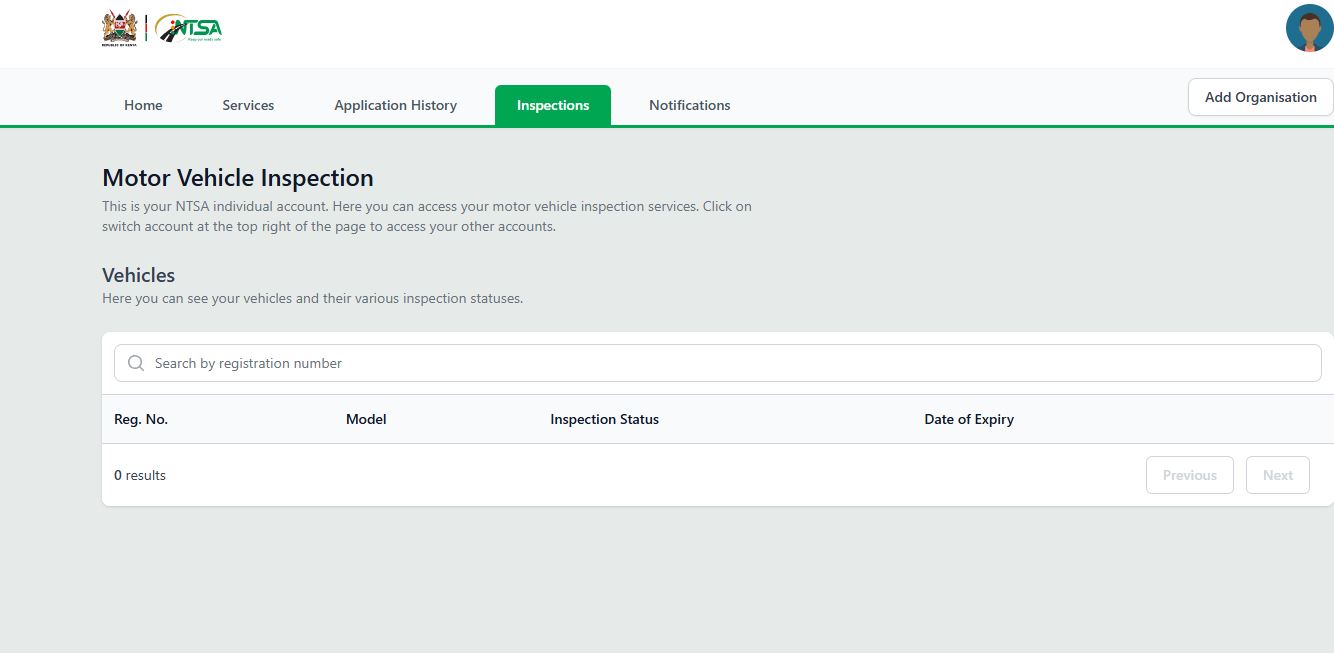
This opens the inspection services dashboard.
Step 3: Choose Inspection Booking
Under inspections, select:
- Inspection Booking
or - Payment of Inspection Booking
This allows you to start the booking process.
Step 4: Enter Vehicle Details
Input the required vehicle information including:
- Vehicle registration number
- Vehicle category
- Inspection type
Ensure the details match official NTSA records.
Step 5: Select Inspection Center and Date
Choose your preferred:
- NTSA inspection center
- Inspection date
- Available booking slot
Popular inspection centers may experience high demand, especially in Nairobi and major towns.
Step 6: Pay Inspection Fees
The NTSA system allows payment through:
- M-PESA Paybill
- Debit card
- Credit card
- Other supported payment options
After payment, the booking becomes active within the system.
Step 7: Download or Print Booking Details
Once payment is confirmed, users can:
- Download booking confirmation
- Print inspection details
- Track inspection status
These documents may be required during physical inspection.
What Is NTSA Vehicle Inspection?
NTSA vehicle inspection is an official process used to verify whether a vehicle meets Kenya’s road safety and compliance standards.
The inspection checks several areas including:
- Vehicle roadworthiness
- Brake condition
- Tires
- Lights
- Chassis condition
- Emissions
- Safety equipment
- Vehicle identification details
The process helps ensure vehicles operating on Kenyan roads are safe for drivers, passengers, and other road users.
Why NTSA Vehicle Inspection Is Important
Vehicle inspection plays a major role in improving road safety in Kenya.
It helps identify:
- Unsafe vehicles
- Faulty brakes
- Worn-out tires
- Illegal modifications
- Dangerous commercial vehicles
- Fraudulent vehicle identities
For commercial vehicles and PSV operators, inspections are also important for regulatory compliance and insurance purposes.
Without proper inspection approval, some vehicles may not qualify for operation, transfer, or licensing.
Vehicles Commonly Requiring Inspection in Kenya
Several categories of vehicles may require NTSA inspection.
These include:
- Commercial vehicles
- Public Service Vehicles (PSVs)
- Imported vehicles
- Vehicles changing ownership
- School buses
- Trucks and trailers
- Accident vehicles
- Vehicles under compliance checks
Inspection requirements may vary depending on the type and purpose of the vehicle.
NTSA Vehicle Inspection Fee in Kenya
The standard NTSA motor vehicle inspection booking fee in Kenya is currently:
- KES 1,000 — Annual inspection fee
- KES 50 — eCitizen access fee
- Total: KES 1,050
The payment is made online through the NTSA eCitizen self-service portal using M-PESA, debit card, or other supported payment methods.
What Happens During Vehicle Inspection?
During physical inspection, NTSA officers may examine:
Vehicle Identification
This includes:
- Chassis number
- Engine number
- Registration details
Brake System
Inspectors verify brake effectiveness and safety.
Tires and Suspension
Worn-out or unsafe tires may lead to inspection failure.
Lights and Electrical Systems
Headlights, indicators, brake lights, and signals are checked.
Safety Equipment
Commercial vehicles may require:
- Fire extinguishers
- Reflective markings
- First aid kits
Structural Condition
Inspectors also check the general condition of the vehicle body and frame.
Common Reasons Why Vehicles Fail Inspection
Many vehicles fail inspection due to avoidable problems.
Common issues include:
- Faulty brakes
- Bald tires
- Broken lights
- Excessive smoke emissions
- Chassis alterations
- Oil leaks
- Missing safety equipment
- Engine number mismatch
Vehicle owners are encouraged to service vehicles before inspection appointments.
NTSA Inspection and Commercial Vehicles
Commercial vehicles face stricter inspection requirements because of their impact on public safety.
Fleet operators are increasingly required to maintain:
- Proper maintenance records
- Compliance-ready vehicles
- Safety equipment
- Inspection schedules
As Kenya strengthens transport regulations, inspections are becoming a key part of fleet management.
Wheel Loader Prices in Kenya 2026: New & Used Models, Features and Buying Guide
Tips Before Going for NTSA Inspection
Before visiting an inspection center, ensure:
- Tires are in good condition
- Lights are working
- Brakes are functioning properly
- Engine number is visible
- Vehicle is clean
- Safety equipment is installed
- No major leaks exist
Simple preparation can improve chances of passing inspection on the first attempt.
🚛 Looking for a driving job? Join the Monolith Africa Driver Database and let transport companies discover your skills. Register today.