
Walk through Nairobi today and you'll see them everywhere.
Billboards promising:
- 95% Asset Financing
- 100% Asset Financing
- 105% Asset Financing
- Get KSh 300,000 Working Capital
- Drive Away Today
- Own Your Dream Asset
Open Facebook, LinkedIn, TikTok, Instagram, or Google and you'll find the same message repeated over and over.
The advertisements are attractive for a reason.
They are designed to make ownership feel easier than ever.
And for many businesses, asset finance can genuinely be one of the fastest ways to grow.
However, before signing any financing agreement, it is important to understand both the opportunities and the risks.
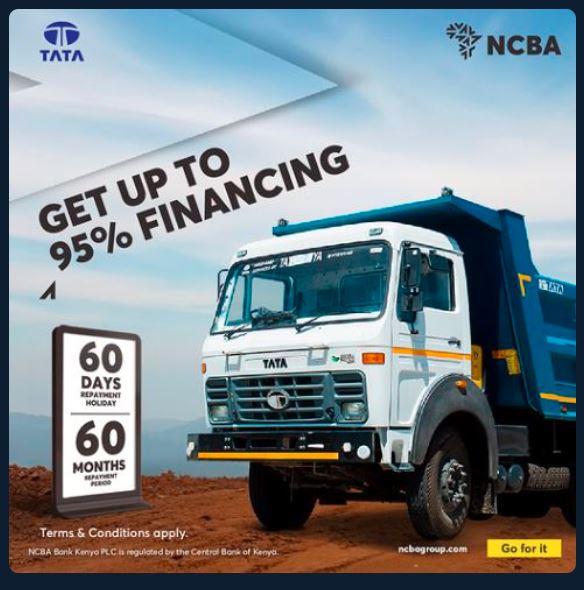
Absa, NCBA, KCB, Co-op, Equity, Stanbic, DTB, I&M, Family Bank which One?
Get Matched Now<<<
What Is Asset Finance?
Asset finance is a financing solution that allows individuals and businesses to acquire income-generating assets without paying the full purchase price upfront.
Examples include:
- Tractors
- Trucks
- Excavators
- Wheel Loaders
- Motor Vehicles
- Buses
- Generators
- Agricultural Equipment
- Manufacturing Machinery
Instead of paying cash, the borrower contributes a deposit while the financier funds the remaining amount.
The borrower then repays the facility through monthly installments.
Whether you're planning to buy a truck, matatu, bus, excavator, tractor, forklift or other business asset, banks and asset finance companies now offer financing solutions that allow you to spread the cost over an agreed repayment period.
Why Asset Finance Is Growing in Kenya

Absa, NCBA, KCB, Co-op, Equity, Stanbic, DTB, I&M, Family Bank which One?
Get Matched Now<<<
The reality is simple.
Many businesses have opportunities to grow but lack sufficient capital.
A contractor may have construction projects but no excavator.
A farmer may need a tractor before planting season.
A transporter may have transport contracts but no truck.
Asset finance bridges that gap.
Rather than waiting years to save enough cash, businesses can acquire productive assets immediately and begin generating revenue.
The Attractive Side of Asset Finance
There is a reason banks and financial institutions heavily promote these facilities.
When used correctly, asset finance can:
Accelerate Business Growth
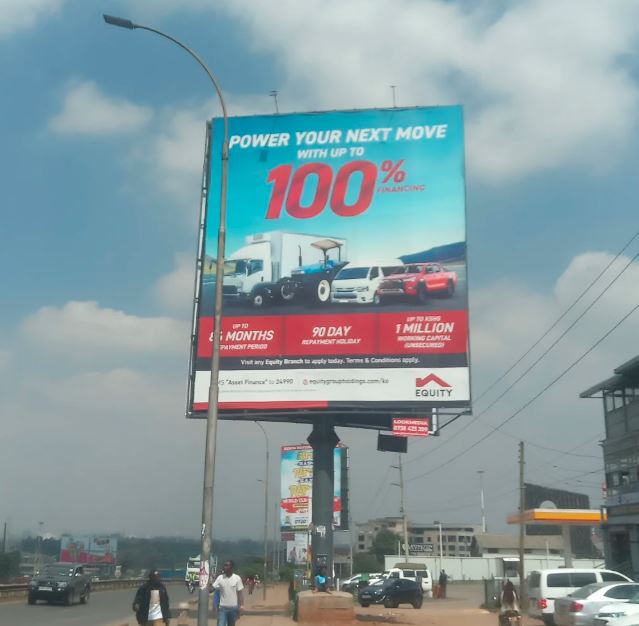
A truck can generate transport revenue.
A tractor can provide mechanization services.
An excavator can secure construction contracts.
The asset starts working while repayments are made over time.
Absa, NCBA, KCB, Co-op, Equity, Stanbic, DTB, I&M, Family Bank which One?
Get Matched Now<<<
Preserve Working Capital
Instead of spending KSh 10 million on equipment, a business can retain cash for:
- Salaries
- Fuel
- Inventory
- Operations
- Emergencies
Unlock Bigger Opportunities
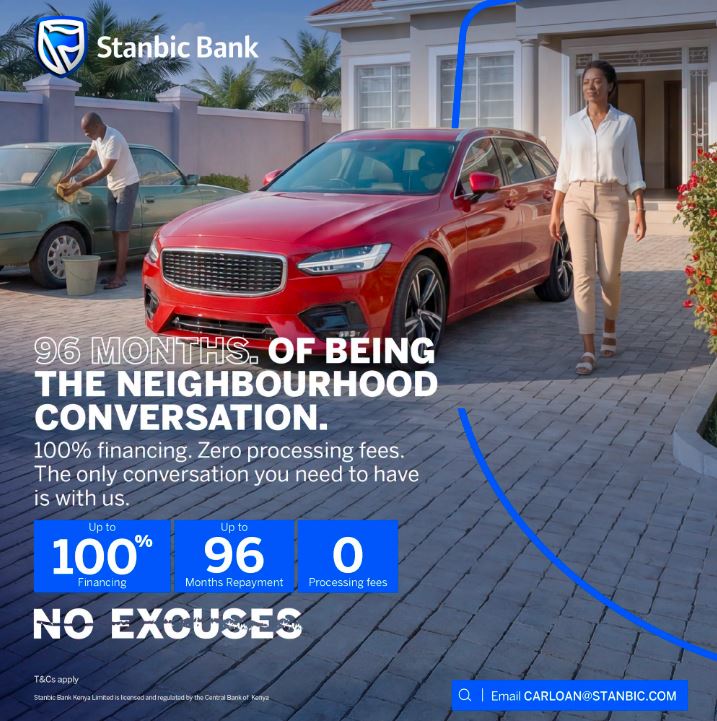
Many businesses only qualify for larger contracts after acquiring specific equipment.
Asset finance can help bridge that gap.
The Dark Side Nobody Likes Talking About
While the advertisements focus on ownership, few people discuss what happens after approval.
The Asset Must Generate Income
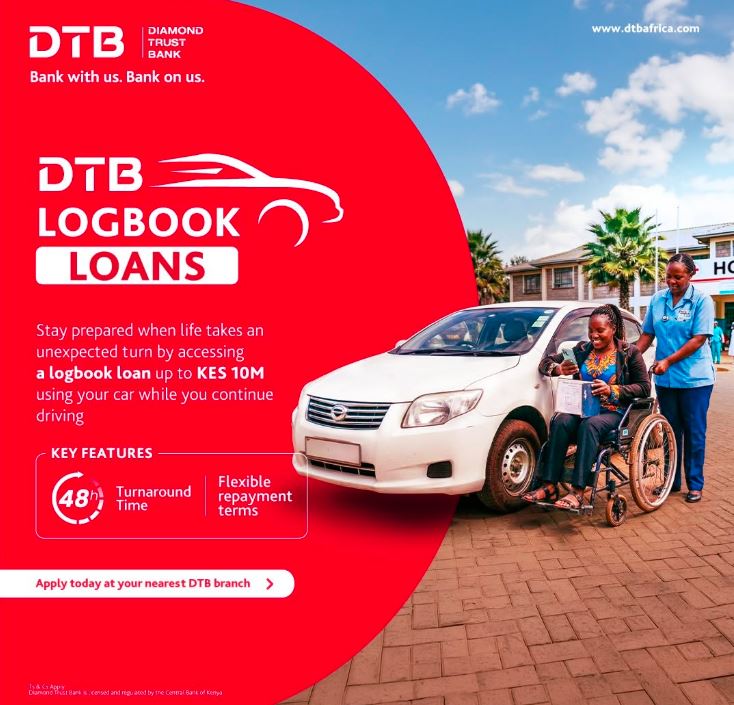
This is the most important rule.
Many people become excited by financing approvals and forget a simple reality:
The asset does not repay the loan—you do.
If a tractor sits idle, repayments continue.
If a truck lacks contracts, repayments continue.
If an excavator has no projects, repayments continue.
Financing only works when the asset is productive.
Absa, NCBA, KCB, Co-op, Equity, Stanbic, DTB, I&M, Family Bank which One?
Get Matched Now<<<
Repossession Is Real
Drive through auction yards in Nairobi and you'll find:
- Vehicles
- Trucks
- Buses
- Equipment
Many were financed assets.
When repayments stop, lenders may repossess and dispose of the asset according to the financing agreement.
This is why financial institutions spend considerable time assessing repayment capacity before approval.
Bigger Financing Doesn't Mean Better Financing
Many advertisements highlight:
- 95% financing
- 100% financing
- 105% financing
At first glance, this sounds incredible.
However, higher financing often means larger repayment obligations.
A business owner should focus less on the percentage financed and more on whether the projected cash flows comfortably support the monthly repayments.
Working Capital Is Not Free Money
Some financing structures include additional working capital.
This can be useful for:
- Fuel
- Initial operations
- Insurance
- Staff
However, it still forms part of the financing structure and should be managed carefully.
Working capital should support revenue generation—not unnecessary spending.
Absa, NCBA, KCB, Co-op, Equity, Stanbic, DTB, I&M, Family Bank which One?
Get Matched Now<<<
How Financial Institutions Actually Assess Applications
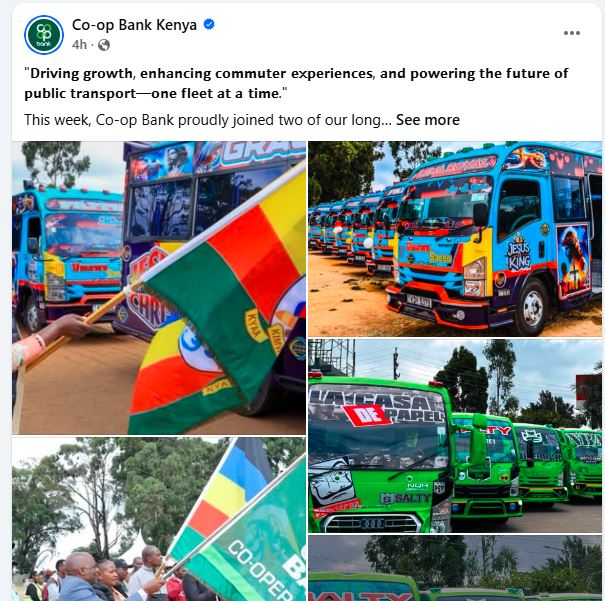
Many people believe approval depends only on deposits.
In reality, financiers typically review:
- Business performance
- Cash flow
- Existing obligations
- Industry risks
- Banking history
- Repayment capacity
- Asset utilization plans
The question is often not:
"Can you raise the deposit?"
The real question is:
"Can the business comfortably sustain repayments throughout the financing period?"
Who Should Consider Asset Finance?
Asset finance is generally suitable for:
✅ Contractors with confirmed projects
✅ Farmers with commercial operations
✅ Transporters with active contracts
✅ Manufacturers expanding production
✅ SMEs investing in productive equipment
The common factor is that the asset should generate value that supports repayment.
🚛 Looking to finance a truck, matatu, bus or heavy equipment? Tell us what you need and Monolith Africa will connect you with suitable asset finance providers.