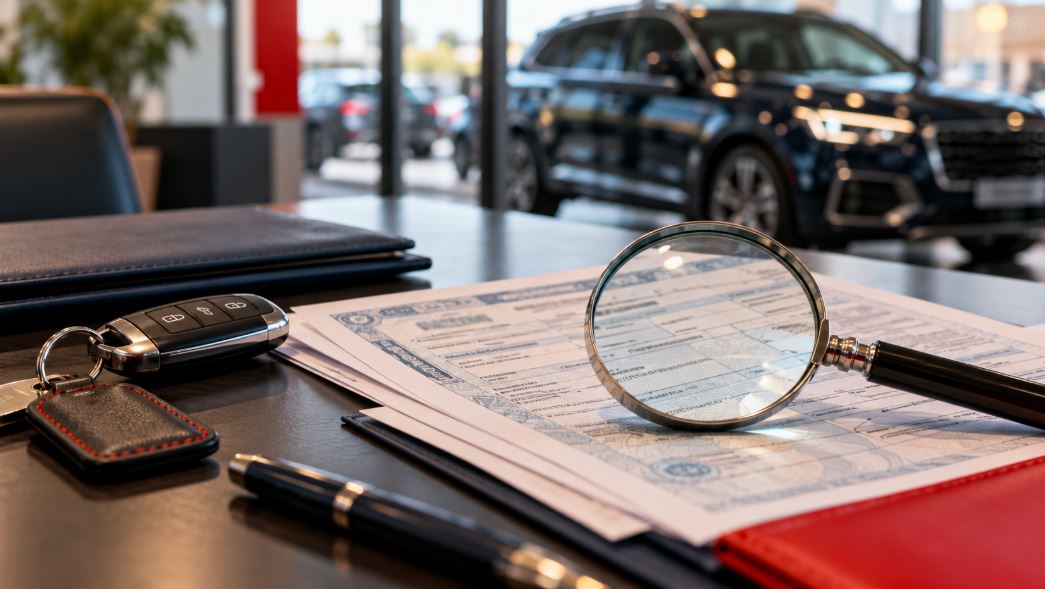
A vehicle may look genuine, the seller may sound professional, and the finance offer may appear affordable. Yet the transaction can still contain false documents, an impersonated lender or a vehicle the seller has no authority to sell.
Jetour Price in Kenya 2026: Dashing, X70 Plus, T2 Prices & FAQs
Vehicle finance fraud can affect buyers, dealers and lenders. Understanding the warning signs helps you ask better questions before paying a deposit, signing an agreement or releasing a vehicle.
New Holland TT75 Price in Kenya (2026) – Specs, Financing & Where to Buy the TT75 4WD
What Is Vehicle Finance Fraud?

Vehicle finance fraud involves deception connected with obtaining vehicle credit, selling a financed vehicle or arranging a vehicle purchase.
It can involve false borrower information, stolen identities, misleading ownership documents or fake finance offers. Not every delayed delivery or payment dispute is fraud, but unexplained inconsistencies deserve investigation.
Complex vehicle deals, made simple.
Monolith Africa connects buyers, sellers and relevant independent professionals to clarify requirements and move discussions forward.
Make the Project Happen Safe and Secure
Common Vehicle Finance Fraud Risks
Fake Lenders and Upfront-Fee Scams
A fraudster may impersonate a lender and promise quick approval, then request a processing, insurance or release fee. Further payment requests may follow without any loan being provided.
An upfront fee alone does not prove fraud. The concern is whether the firm, payment instructions and written terms can be independently verified.
HOWO 51 Seater School Bus Price in Kenya (2026): Financing, Specs & Buyer Guide
Cloned Vehicle Identities
Vehicle cloning involves copying the identity of a legitimate vehicle onto another vehicle, potentially disguising a stolen one.
A convincing registration document is therefore insufficient on its own. The physical vehicle, identifying numbers and available official records need to be checked together.
False Ownership or Authority to Sell
A person displaying a vehicle may not own it or have permission to sell it. A hired, borrowed or financed vehicle can create serious complications if presented as freely transferable.
Ask who owns the vehicle, who is signing the agreement and whether another party’s consent or finance settlement is required.
Isuzu NQR 33 Seater Bus Price in Kenya (2026) – Specs & Financing
Warning Signs Before You Commit
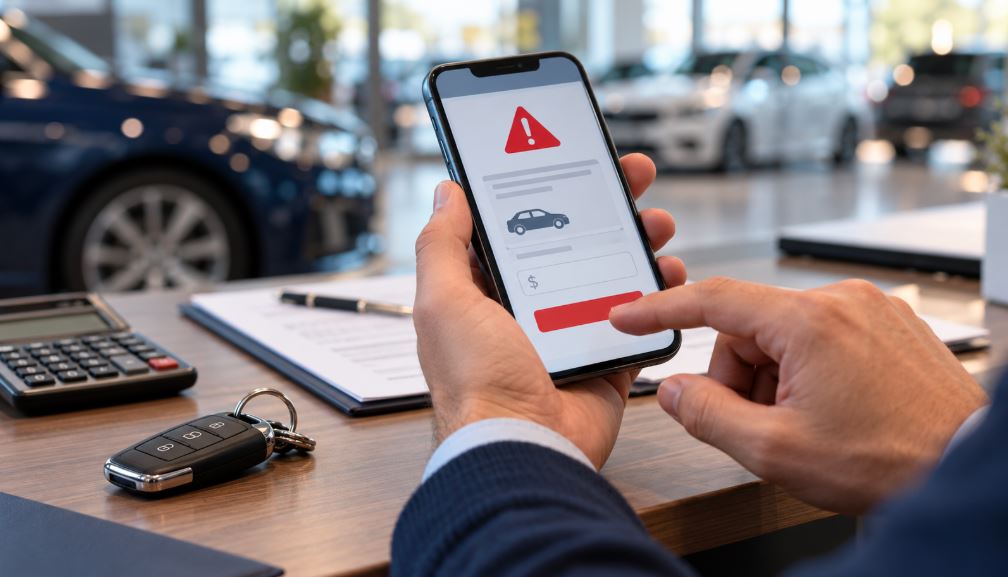
Pause and investigate if:
-
The seller refuses an independent inspection.
-
Names differ across documents, invoices and payment accounts.
-
You are pressured to pay before receiving written terms.
-
The lender cannot be reached through independently sourced contact details.
-
Vehicle identifiers or ownership details do not match.
-
Payment instructions change unexpectedly.
-
Delivery, finance settlement or transfer responsibilities remain unclear.
One warning sign may have an innocent explanation. Several unresolved discrepancies should stop the transaction from progressing.
What Should Buyers and Dealers Check?
Verify the parties.
Confirm the seller’s identity, business details and authority to act. Contact the lender through its official channels rather than relying solely on a number supplied by an intermediary.
Check the vehicle.
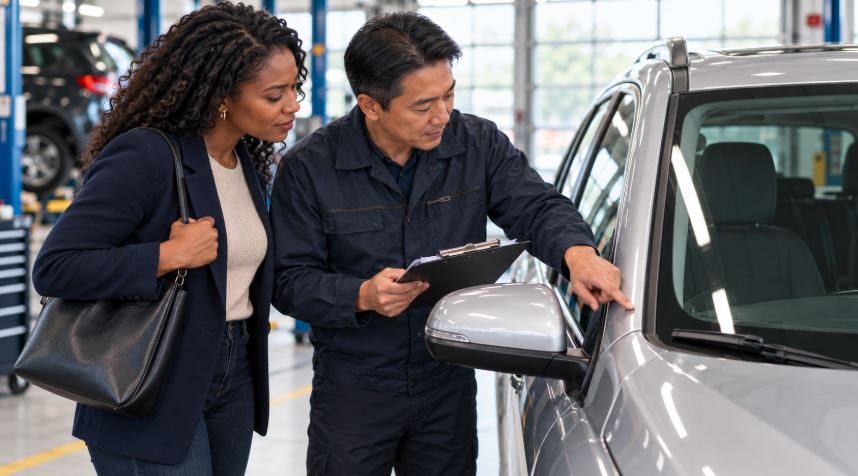
Arrange an independent inspection and compare identifying details with the documentation. Use the ownership, theft-history and finance-interest checks available in the relevant country.
Document the transaction.
Record the vehicle identity, price, deposit, finance conditions, delivery arrangements and responsibilities for transfer. Clarify what happens if financing is declined or delivery fails.
Confirm payment instructions.
Independently verify the intended recipient before transferring money, particularly following a last-minute account change.
These checks complement one another. A clean database result or professional-looking contract cannot guarantee that a transaction is genuine.
What If You Suspect a Scam?
Pause further payments and preserve messages, advertisements, invoices, agreements and payment records.
Contact your bank or payment provider promptly to report the suspected fraud and ask what action is possible. Notify the genuine lender if its identity has been misused.
Reporting routes and legal remedies depend on your country. Seek local professional advice if ownership, repossession or liability is disputed. Suspected fraud does not automatically cancel an existing finance agreement.
Complex vehicle deals, made simple.
Monolith Africa connects buyers, sellers and relevant independent professionals to clarify requirements and move discussions forward.
Make the Project Happen Safe and Secure