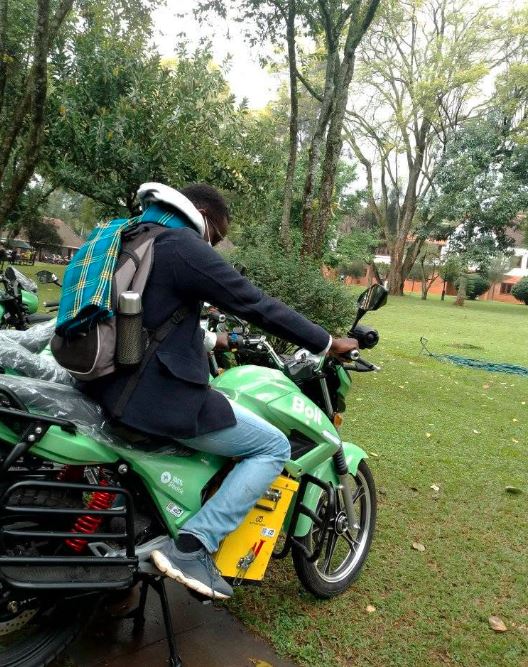
Electric bikes and motorcycles are quickly becoming part of Kenya’s transport and logistics industry. Delivery companies, boda boda riders, retailers and field-service businesses are considering electric motorcycles because of high petrol prices, growing battery-swap networks and new financing arrangements.
However, electric mobility companies use different business models. Some sell motorcycles outright, while others offer lease-to-own financing, battery subscriptions, charging stations or complete fleet-management systems. Prospective buyers should therefore compare more than the advertised motorcycle price.
Here are the electric bike companies standing out in Kenya in 2026.
1. Roam Electric
Roam is one of Kenya’s best-known electric mobility companies. Its Roam Air motorcycle is designed for commercial riders and African road conditions. The company also provides charging infrastructure, fleet technology and after-sales support.
Roam particularly stands out in logistics because its motorcycles have been deployed through partnerships involving DHL, Wells Fargo, Greenspoon and Syokinet Solutions. These deployments cover parcel delivery, food delivery and transportation for field technicians.
Roam has also worked with financing partners such as M-KOPA and Fortune Credit to make its motorcycles accessible to individual riders and commercial fleets. Buyers should confirm the current deposit, repayment period and total financing cost before applying.
2. Spiro Kenya
Spiro supplies electric motorcycles supported by a growing battery-swapping network. Its motorcycles are designed for boda boda services, deliveries and other high-mileage commercial operations.
Instead of waiting for a motorcycle to recharge, a rider can visit a compatible Spiro station and exchange a depleted battery for a charged one. Spiro advertises swapping in under two minutes, although actual access depends on station availability and the rider’s location.
The company offers cash purchases, fleet acquisition and lease-to-own arrangements through financing partners. This makes Spiro particularly relevant to riders and logistics companies that want to avoid a large initial payment.
3. Ampersand Kenya
Ampersand focuses on commercial electric motorcycles, batteries and swapping infrastructure. It operates in Kenya from Old Mombasa Road, placing it close to one of Nairobi’s most important industrial and logistics corridors.
According to the company, a battery can provide approximately 70–110 kilometres per swap depending on the road, load and riding conditions. Ampersand’s model is therefore aimed at riders who need their motorcycles to remain active for most of the working day.
The company is particularly suitable for boda boda operators, courier riders and businesses making frequent urban deliveries.
4. ARC Ride
ARC Ride provides electric motorcycles, smart batteries, software and battery-swapping infrastructure. Its solar-powered swap cabinets are intended to make charged batteries available throughout the day without requiring riders to wait for conventional charging.
ARC Ride says its automated stations can complete a swap in under 60 seconds. This model can benefit delivery companies because time spent charging is time during which a motorcycle is not generating revenue.
Before committing, fleet operators should check the number of stations available along their delivery routes and whether the batteries are compatible with their selected motorcycles.
5. eWAKA Mobility
eWAKA is an important company for businesses specifically interested in last-mile logistics. It offers electric bicycles and motorcycles intended for individuals, delivery riders and commercial fleets.
Its Shujaa electric bicycle is positioned for moving food, parcels and other lightweight products through congested urban areas. Pedal-assisted cargo bicycles may be especially useful for short journeys where a full electric motorcycle would be unnecessarily expensive.
Businesses should compare the bicycle’s payload, battery range, charging time and rear-carrier dimensions against the goods they normally transport.
6. eBee Africa
eBee supplies pedal-assisted electric bicycles suitable for commuting and lightweight deliveries. Its Nyuki model advertises a carrier load of up to 50 kilograms and battery options offering approximately 80–90 kilometres of range.
Actual range may be lower when carrying heavy goods, climbing hills or riding at higher assistance levels. Nevertheless, eBee provides an interesting option for restaurants, pharmacies, online shops and couriers operating within defined urban delivery zones.
Other Electric Mobility Companies to Watch
Ecobodaa is another Kenyan electric-motorcycle company worth following, particularly for boda boda and commercial-rider applications. Other businesses entering the market may specialize in imported electric scooters, cargo tricycles, conversion kits, charging equipment or fleet financing.
Buyers should distinguish established operators with service centres and functioning charging networks from importers selling motorcycles without reliable local technical support.
What Should Logistics Companies Compare?
The cheapest electric motorcycle is not automatically the most economical. A business should compare:
-
Cash price or total lease-to-own cost
-
Practical battery range when carrying cargo
-
Maximum payload
-
Battery ownership and replacement costs
-
Charging or swapping charges
-
Location and reliability of swap stations
-
Spare-parts availability
-
Warranty and after-sales support
-
GPS tracking and fleet-management features
-
Insurance and registration requirements
Battery compatibility is especially important because a motorcycle connected to one company’s proprietary system may not accept batteries from another network.
Are Electric Bikes the Future of Last-Mile Delivery in Kenya?
Electric bikes have strong potential in Kenya’s last-mile delivery market. They are compact enough to navigate congestion and may reduce energy and routine maintenance costs compared with petrol motorcycles. They can serve restaurants, pharmacies, supermarkets, courier companies, technicians and online retailers.
However, the business case depends on daily distance, cargo weight, financing charges, electricity or swapping costs and access to dependable service centres. Before purchasing an entire fleet, a company should test several motorcycles on its actual routes and calculate the cost per kilometre.
Roam, Spiro, Ampersand, ARC Ride, eWAKA and eBee are among the companies currently standing out. The best provider will depend on whether the buyer needs a lightweight delivery bicycle, a high-mileage electric motorcycle, battery swapping or a complete fleet solution.