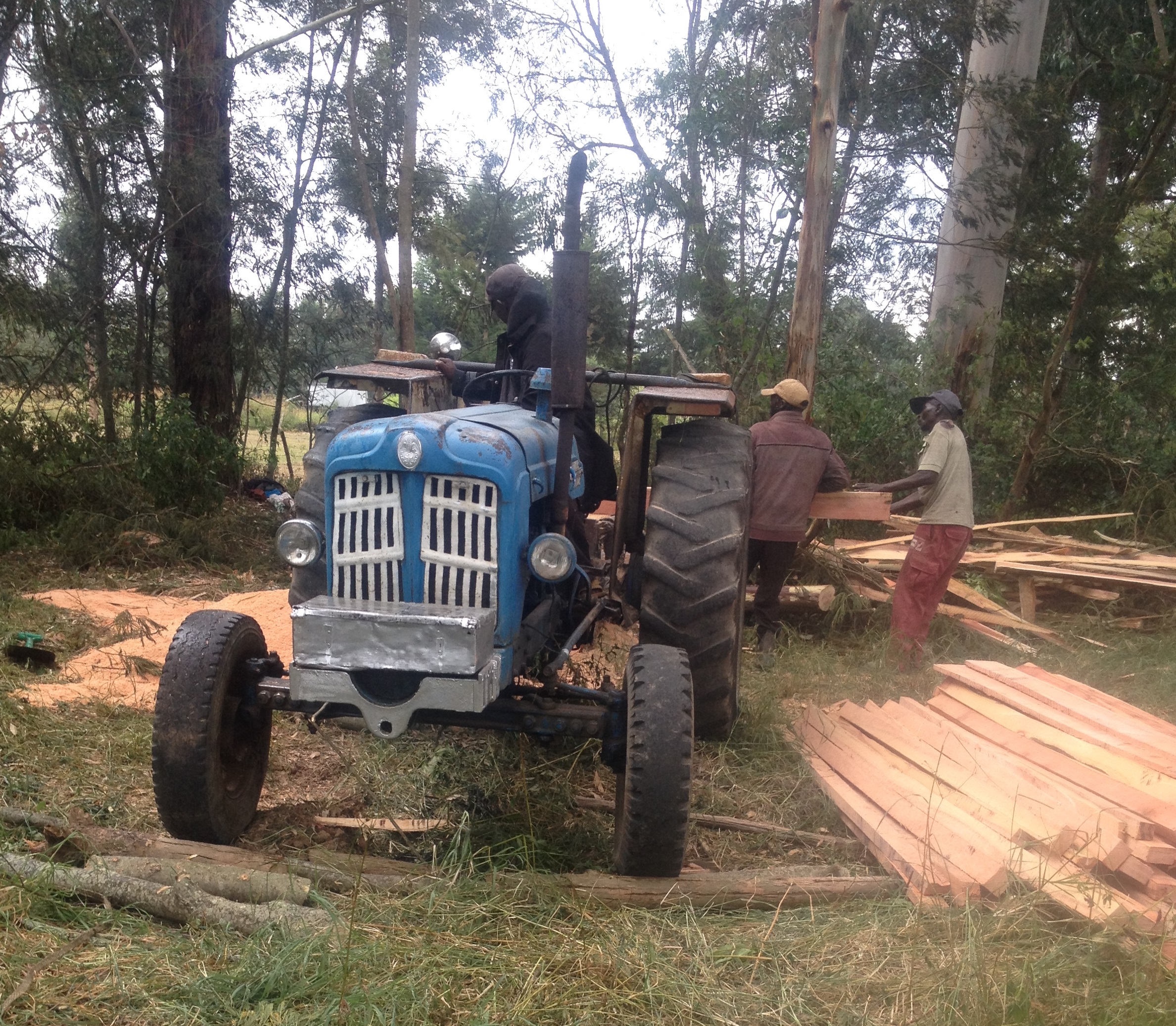
Once a tree has been cut using a power saw, the next important step is milling the logs into usable timber. This process is done at a sawmill, where logs are cut into construction timber sizes such as 4×2, 3×2, and 2×2.
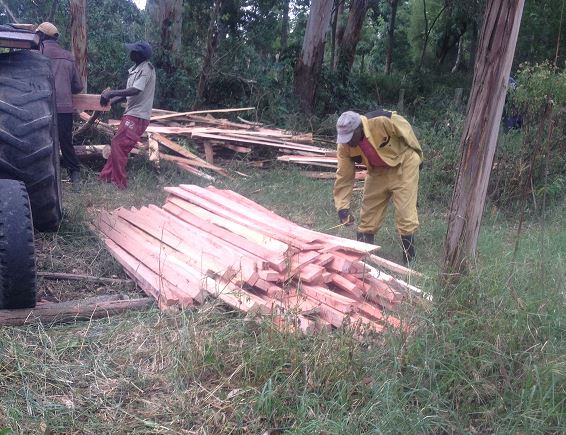
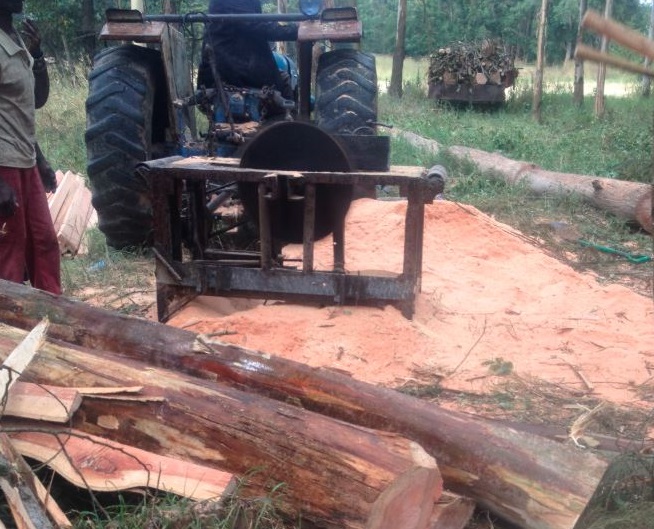
Sawmills play a major role in Kenya’s timber industry by converting raw tree logs into wood used for roofing, framing, doors, and furniture. Many sawmills operate using tractor-powered milling machines (PTO sawmills) that can be transported directly to forest areas where trees are harvested.
This mobile setup makes it easier for timber cutters to process logs on site before transporting the finished timber to the customer.
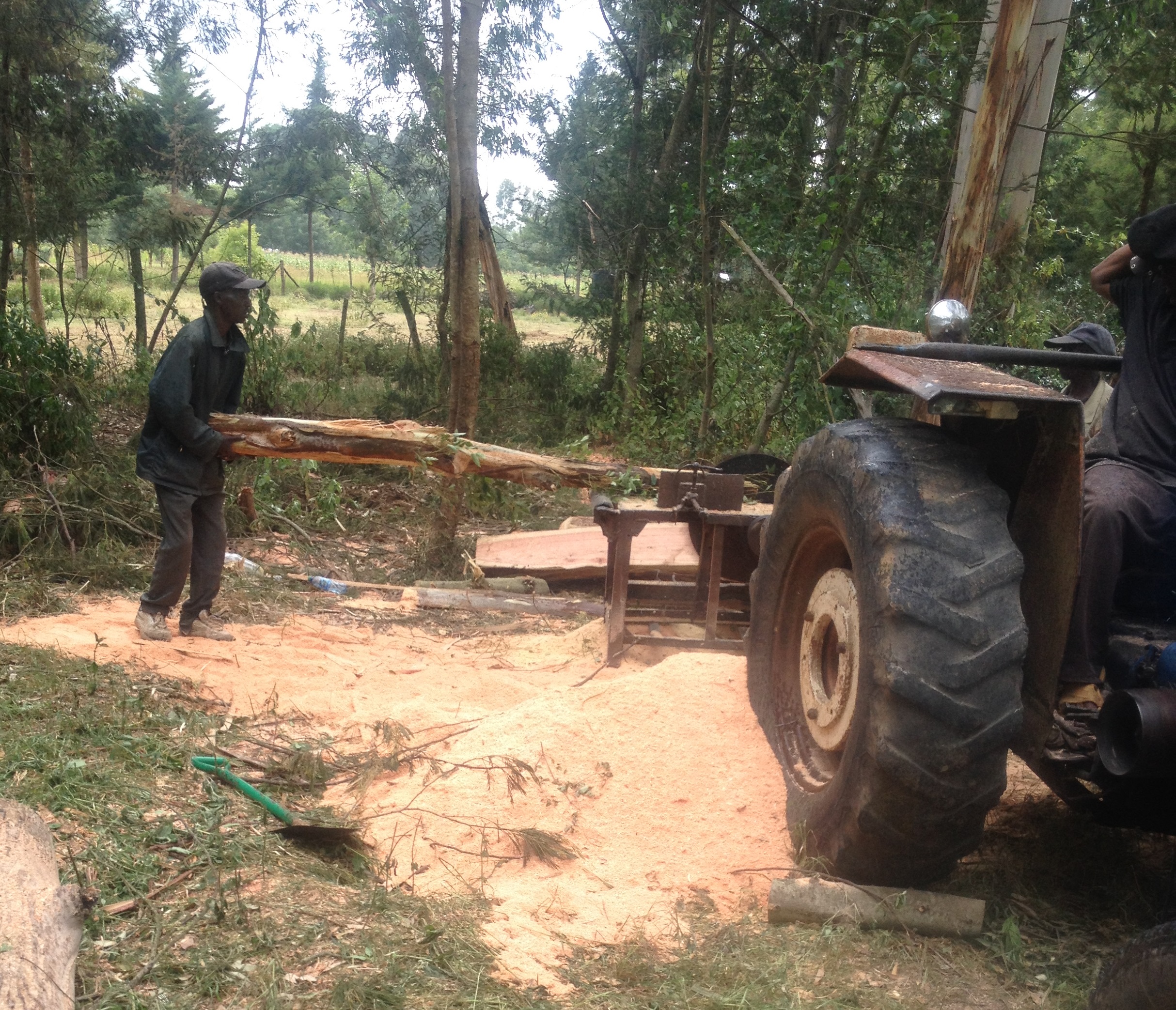
How Logs Are Prepared Before Milling
After a tree is felled using a power saw, it is first cut into manageable log pieces. Most trees used for timber can reach around 30 feet in height, so they are normally cut into smaller sections.
Common log lengths include:
-
7 feet
-
8 feet
-
Sometimes 10 feet
The 8-foot length is the most common, because it matches many construction needs such as doors, beams, and roofing structures.
These log pieces are then placed on the sawmill where the actual milling begins.
How Tractor-Powered Sawmills Work
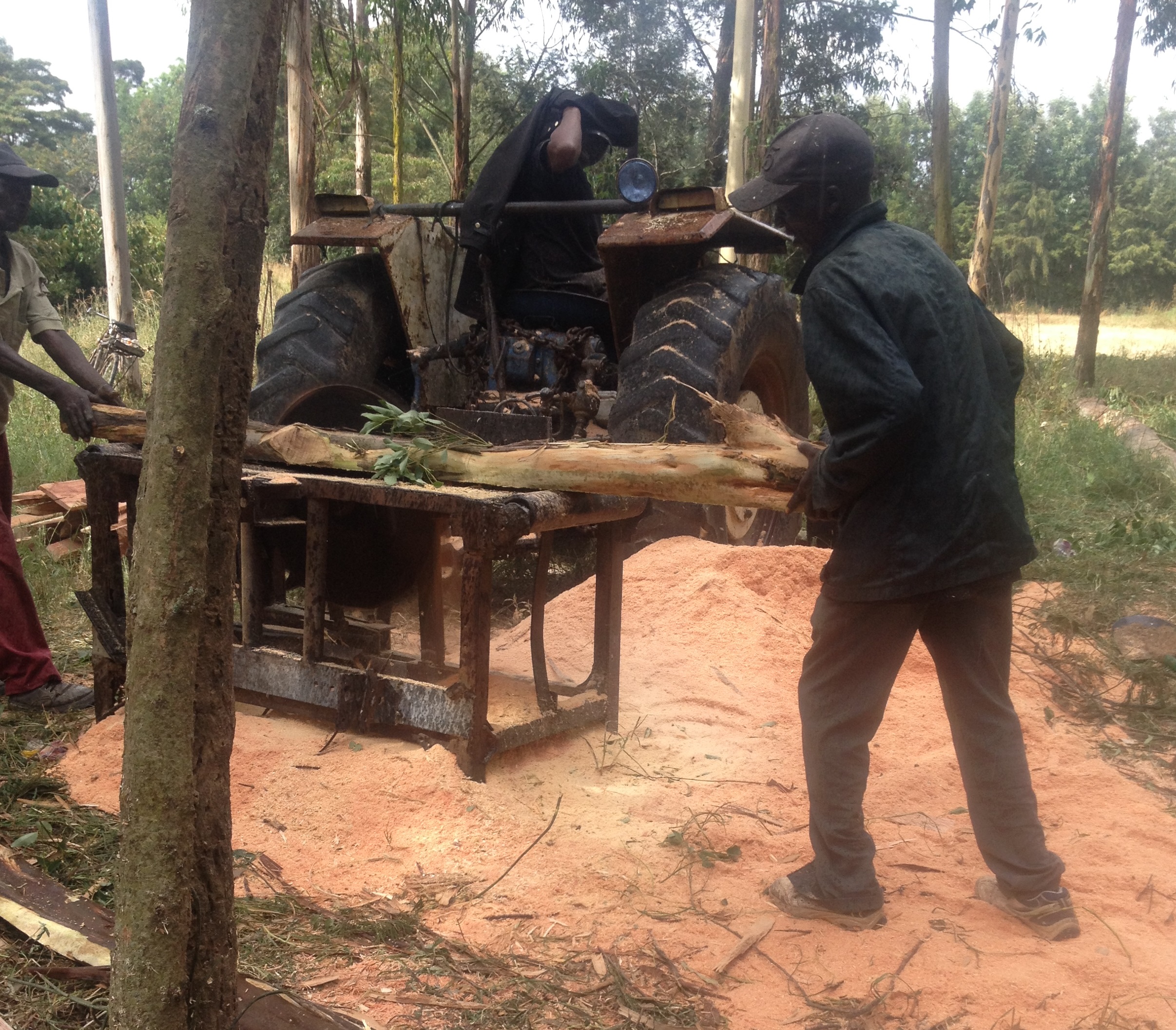
In many rural areas, sawmills are powered by tractors using a PTO (Power Take-Off) system.
A typical mobile timber operation includes:
-
A tractor
-
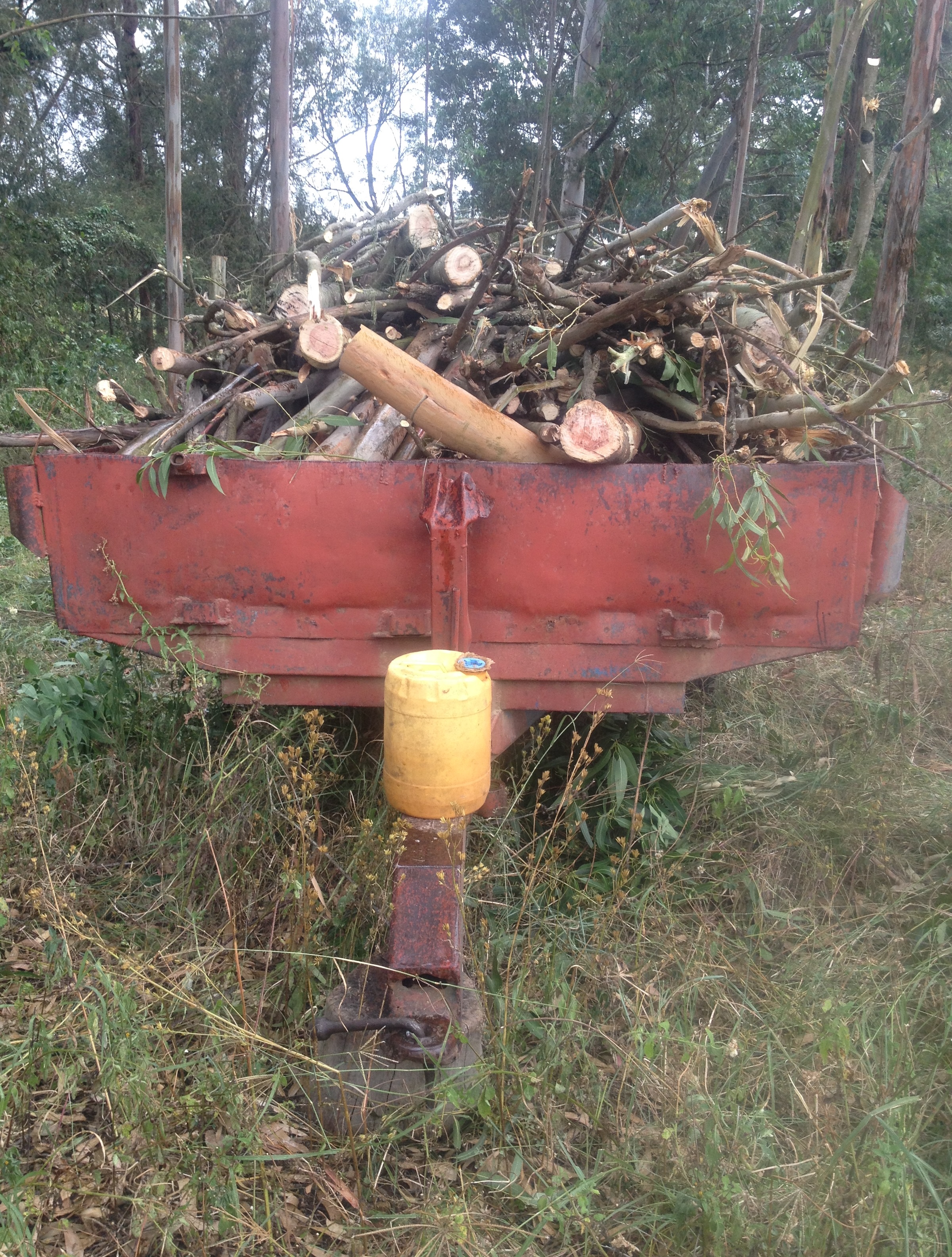
A trailer for transporting logs
-
A PTO sawmill machine
The tractor powers the milling machine, allowing the operator to cut timber directly in the forest where the trees were harvested.
After milling is complete, the operator may transport the timber to the client’s home. In most cases, the client simply pays for fuel used during delivery as an additional service.
Cost of Sawmill Services in Kenya
Timber milling is commonly charged per foot of timber produced.
The average rate is around:
| Timber Milling Service | Cost |
| Sawmill milling cost | KSh 7 per foot |
For example:
-
4×2 timber (8 feet)
8 × 7 = KSh 56
However, if the operator cuts two pieces of 2×2 from the same length, the cost becomes:
-
2 pieces × 8 feet × 7 KSh = KSh 112
Because milling is charged per foot, more pieces mean more total cost, even if the wood comes from the same log.
This is why customers must clearly understand the timber sizes they want before milling begins.
Common Timber Sizes Produced at Sawmills
Different parts of a tree produce different timber sizes depending on thickness.
| Timber Size | Common Use |
| 4×2 | Structural framing |
| 3×2 | Roof structures |
| 2×2 | Purlins (parin) and roofing supports |
The thickest section of the tree trunk is usually used to produce 4×2 timber, while smaller sections may produce 3×2 or 2×2 pieces.
Why Timber Size Accuracy Matters
When timber is milled, the sizes must be accurate.
For example, a 2×2 piece must actually measure 2×2 inches, not smaller. If the timber is undersized, it can create problems during construction because the structure may become weak or uneven.
Builders and carpenters often check timber sizes carefully to ensure uniformity and strength in the final structure.
Extra Charges During Milling
Sometimes operators may charge additional fees depending on the difficulty of the wood.
For example:
-
Very hard wood may require extra cutting time
-
The operator may claim the wood is too tough for the saw blade
In some cases, operators may request an extra charge per foot if the cutting process becomes difficult.
This is why it is always important to agree on pricing before milling begins.
What Happens to Offcuts and Sawdust
During milling, not all wood becomes usable timber.
The process usually produces:
-
Wood offcuts
-
Sawdust
-
Small pieces of wood
These materials are rarely wasted. They are often used for:
-
Firewood
-
Charcoal production
-
Wood fuel for cooking
This ensures most parts of the tree are still useful even after milling.