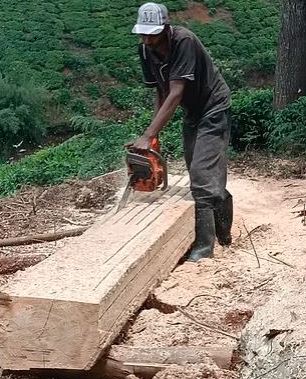
Power saws, commonly known as chainsaws, are widely used in Kenya for cutting trees such as blue gum, cypress, and pine for timber, fencing posts, and construction wood. Because buying a professional chainsaw can be expensive, most farmers, contractors, and landowners choose to hire a power saw operator instead.
Power saw hire services are common in rural timber areas as well as peri-urban zones where trees are harvested for construction timber. Hiring an operator is often the fastest way to cut trees efficiently while reducing waste and avoiding the high cost of purchasing equipment.
Need a Power Saw Driver?
Hire a professional chainsaw operator near you and cut your trees safely and efficiently.
Compare PowerSaw Drivers Here>>>
How Power Saw Hire Is Charged in Kenya
In many parts of Kenya, chainsaw services are charged per fuel tank used during cutting rather than per tree.
The typical pricing system works like this:
| Service | Average Cost |
| Power saw hire per tank | KSh 700 – 900 |
| Common market rate | KSh 800 per tank |
| Small tree cutting | 1 tank |
| Large tree cutting | Multiple tanks |
Before the cutting begins, the operator normally opens the fuel tank to show the client that it is full. This ensures transparency and prevents disputes about fuel usage.
Once the tank is finished and the work continues, another full tank is added, which means another KSh 800 is charged.
This system helps both the operator and the client clearly track the cost of the work.
Cut Your Trees the Right Way.
Hire an experienced power saw operator today and avoid timber waste.
Compare PowerSaw Drivers Here>>>
Powersaw Gasoline
Planning Before Cutting a Tree
Before hiring a power saw operator, it is important to have a clear plan for how the timber will be used. Trees can produce different types of construction wood, and proper planning helps avoid wasting valuable timber.
Common uses for timber cut from trees include:
-
Roof trusses
-
Purlins (parine) used in roofing structures
-
Formwork timber used in concrete construction
-
Door and window frame wood
Knowing the timber sizes you need helps the operator cut the tree efficiently.
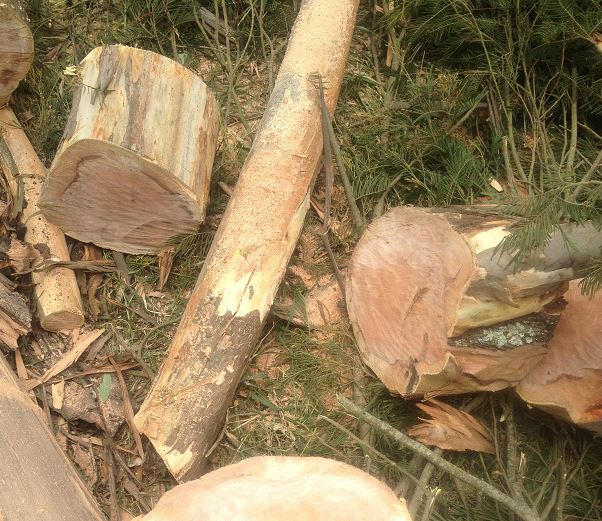
Common Timber Sizes Cut From Trees
When a tree is harvested, the timber is usually cut into standard construction sizes used in Kenya.
| Timber Size | Common Use |
| 1 × 2 | Light construction and supports |
| 3 × 2 | Roof structures |
| 4 × 2 | Structural framing |
| 6 × 1 | Boards and finishing wood |
Understanding these sizes before cutting ensures the tree produces the maximum usable timber pieces.
How Trees Are Cut Using a Power Saw
The tree cutting process normally happens in several stages.
Tree Felling
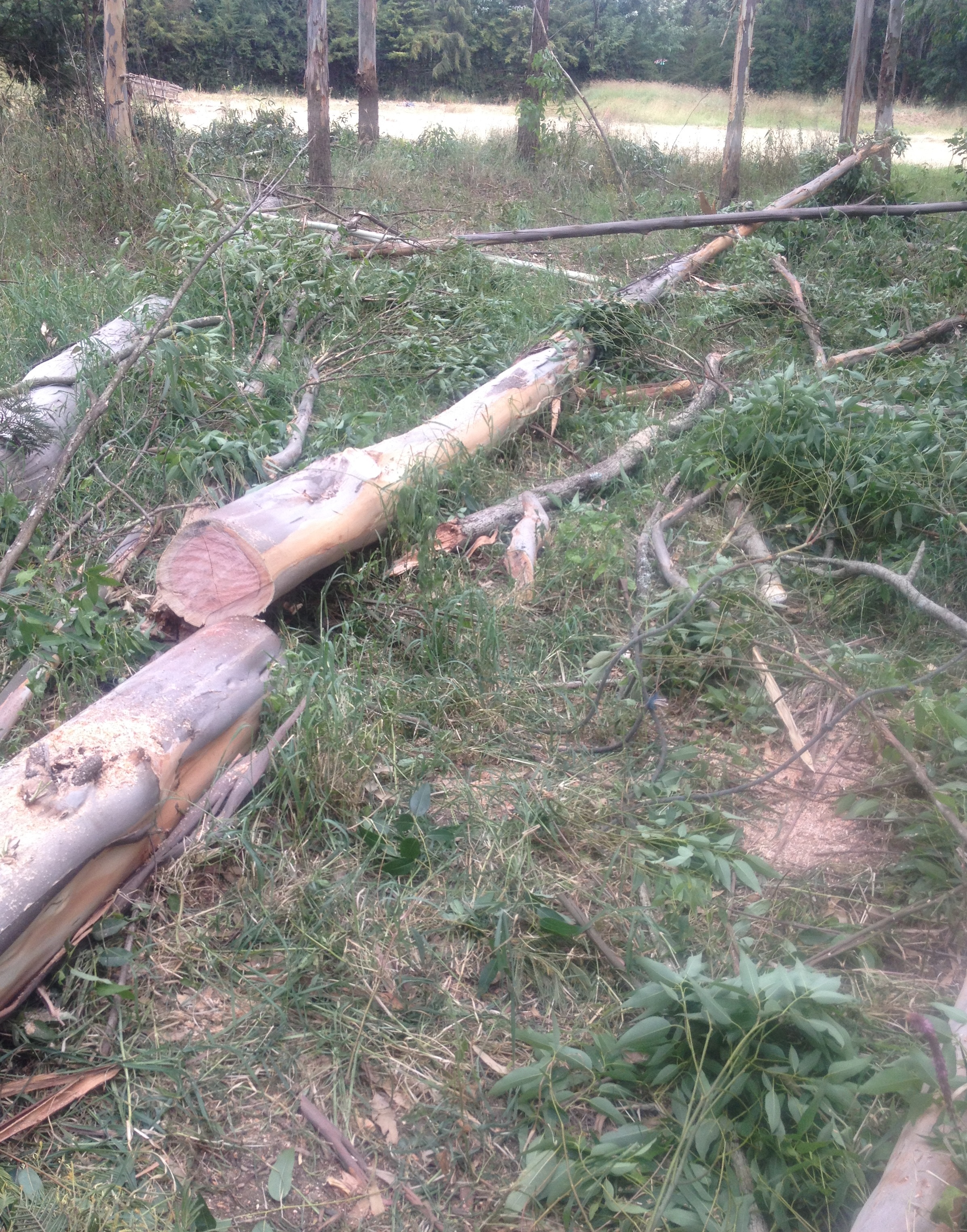
The first step is felling the tree, where the operator cuts the base so the tree falls in a controlled direction. This step requires skill to prevent the tree from damaging nearby structures or other trees.
Cutting the Tree Into Manageable Lengths
After the tree falls, it is cut into smaller log sections that are easier to transport or process.
Most logs are cut into lengths such as:
-
7 feet
-
8 feet
-
10 feet
In many cases, 8 feet is preferred because it matches common building dimensions and reduces timber wastage.
Milling the Timber
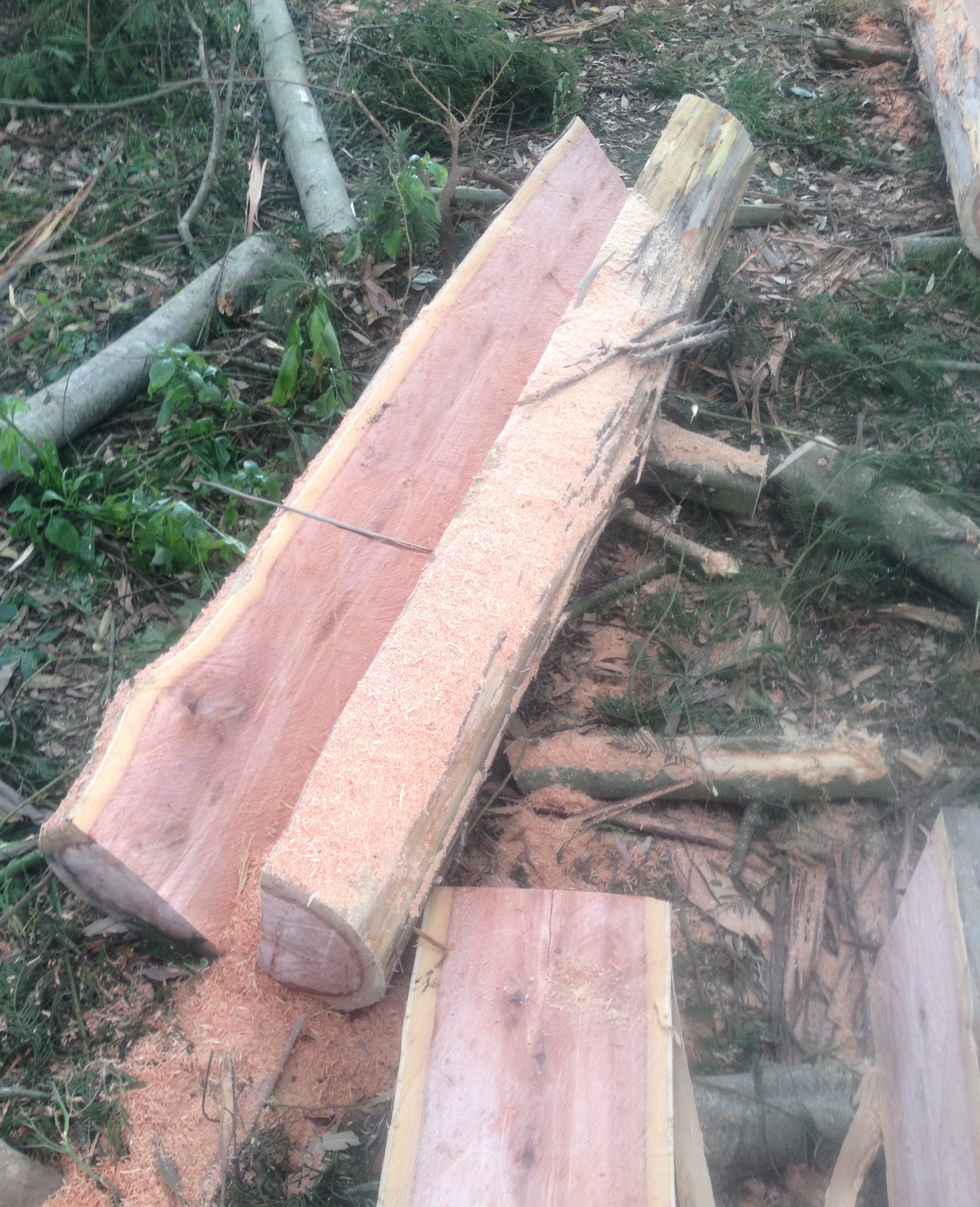
Once the logs are prepared, they are taken to a saw mill, where the wood is cut into final timber sizes such as 3×2 or 4×2 used in construction.
Safety Tips When Hiring a Power Saw Operator
Chainsaws are powerful machines and can be dangerous if safety rules are ignored. When hiring a power saw operator, it is important to follow basic safety precautions.
Important safety tips include:
-
Stay far away from the tree while it is being cut
-
Allow only the trained operator to handle the chainsaw
-
Ensure the tree has enough space to fall safely
-
Be aware that trees can sometimes get stuck on other trees before falling
In rare cases, operators may need to carefully release a stuck tree, which can be risky if inexperienced people stand nearby.