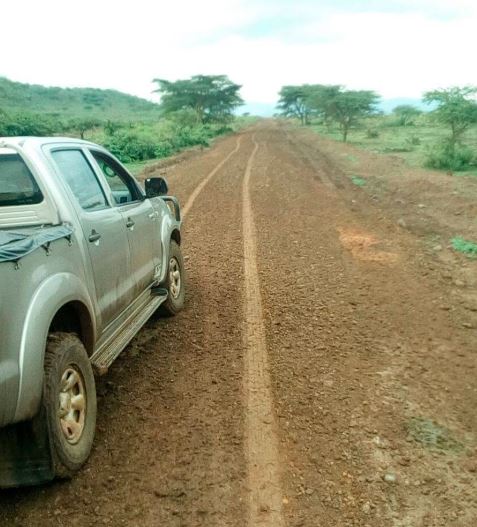
Government agencies, infrastructure contractors and public institutions regularly purchase double cab pickup trucks to support engineering, maintenance and field operations. These purchases are commonly made through Requests for Quotations (RFQs) and public tenders, giving qualified suppliers an opportunity to compete for contracts.

If your business supplies pickup trucks or fleet vehicles, understanding how government procurement works can improve your chances of winning future contracts.
What Is an RFQ?
An RFQ (Request for Quotation) is a procurement document inviting suppliers to submit prices for clearly specified goods or services. Unlike an open tender that may involve detailed technical and financial proposals, an RFQ is typically used when the buyer already knows the product specifications and wants competitive quotations from qualified suppliers.
Government institutions, county governments, parastatals and private contractors frequently use RFQs to purchase vehicles, heavy equipment and construction materials.
Why Government Agencies Buy Double Cab Pickup Trucks
Double cab pickups are widely used because they combine passenger transport with cargo-carrying capability. They are suitable for engineers, inspectors and project managers who need to travel between offices and construction sites while carrying tools, survey equipment or maintenance materials.
Common users include:
- Road authorities
- Water utilities
- Power companies
- County governments
- Construction contractors
- Mining companies
- Telecommunications firms
Their durability, high ground clearance and ability to operate on rough terrain make them ideal for infrastructure projects across Kenya.
Common Specifications in Government Pickup Truck RFQs
Government buyers often include detailed technical requirements to ensure the vehicles meet operational needs.
Typical specifications may include:
- Brand-new vehicle
- Double cab body style
- Turbo diesel engine
- Engine capacity around 2,500–2,800 cc
- Manual or automatic transmission
- Four-wheel drive (where required)
- Air conditioning
- Safety features such as airbags and ABS
- Manufacturer warranty
- Compliance with Kenyan road regulations
Suppliers should always review the RFQ carefully to ensure their quotation matches every mandatory requirement.
How to Increase Your Chances of Winning

Submitting the lowest price does not always guarantee success. Buyers also evaluate whether suppliers can deliver reliable products and provide long-term support.
To strengthen your bid:
- Respond before the submission deadline.
- Quote exactly what the RFQ requests.
- Include manufacturer brochures and technical specifications.
- Clearly state warranty terms.
- Provide delivery timelines.
- Demonstrate after-sales service capability.
- Ensure your business compliance documents are up to date.
A complete and professionally prepared quotation often stands out from incomplete submissions.
Why Pickup Truck Tenders Matter

Government vehicle procurement represents a significant opportunity for dealerships, fleet suppliers and vehicle distributors. Winning even one contract can lead to repeat business, service agreements and long-term relationships with public sector clients.
Monitoring RFQs and tenders also provides valuable insight into market demand, helping suppliers understand which vehicle types, engine capacities and specifications are most frequently requested.
Finding Government Vehicle RFQs
Many government procurement opportunities are advertised through official procurement portals, institutional websites and direct supplier mailing lists. Businesses that actively monitor these channels and maintain updated supplier documentation are better positioned to respond quickly when opportunities arise.
Whether you're looking to supply double cab pickups, heavy equipment or construction machinery, Monolith Africa helps you discover opportunities and grow your business.