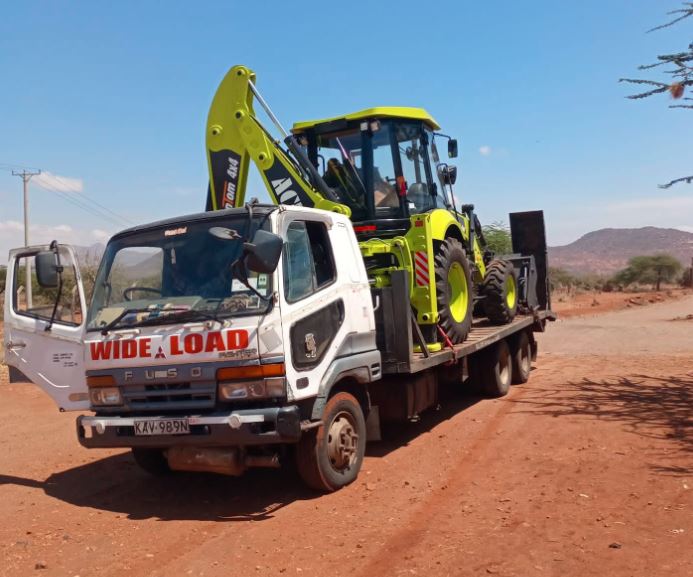
Kenya's construction, oil and gas, mining and infrastructure sectors continue to create demand for specialized heavy equipment. One recent Request for Quotation (RFQ) highlights the type of machinery contractors are actively seeking for large-scale logistics projects.
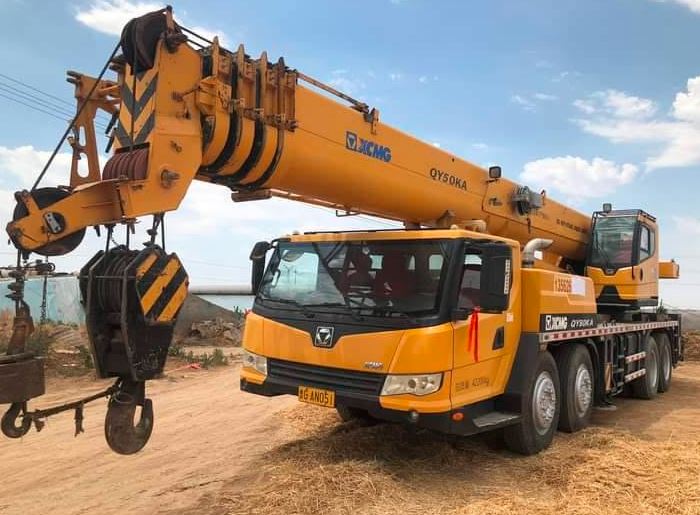
According to the RFQ, qualified vendors are invited to submit quotations for a 30-day project transporting equipment from Mombasa to Lokichar, Turkana County. The opportunity requires suppliers with compliant heavy haulage equipment and experienced operators.
Equipment Required
The project requires several categories of heavy equipment, including:
- OOG (Out-of-Gauge) Trailer Set
- 4-Axle Normal Lowbed Trailers
- 6-Axle Normal Lowbed Trailer
- 15-Tonne Diesel Forklifts
- 100-Tonne All-Terrain Cranes
- 70-Tonne Hydraulic RT/AT Cranes
The equipment will support heavy lifting and transportation between Mombasa and Lokichar, making it one of the more specialized logistics requirements seen in Kenya's heavy transport sector.
Compliance Matters More Than Price
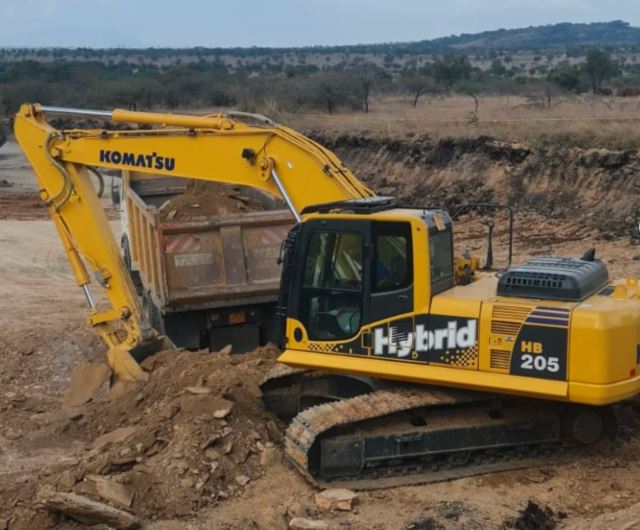
Winning heavy equipment contracts is rarely about offering the lowest price. Buyers increasingly evaluate whether equipment meets strict safety and compliance standards.
The RFQ requires suppliers to provide information such as:
- Vehicle registration details
- Year of manufacture
- Insurance validity
- Service schedules
- Odometer readings
- Vehicle inspection dates
- Driver qualifications
Suppliers are also expected to demonstrate that their equipment is roadworthy and professionally maintained.
Safety Requirements
The compliance checklist specifies several mandatory safety features, including:
- ABS braking systems
- Driver and passenger airbags
- Three-point seat belts
- Headrests
- IVMS (In-Vehicle Monitoring System)
- Warning triangles
- Fire extinguishers
- First aid kits
- Functional lights
- Valid tyres
- Chains, binders and timber for cargo securing
Drivers are also required to hold valid driving licences, medical fitness certificates and defensive driving training documentation.
Documents Suppliers Should Prepare
Before responding to similar opportunities, equipment owners should ensure they have:
- Company profile
- KRA compliance documents
- Vehicle photographs
- Equipment certificates
- Commercial quotation
- Compliance matrix
- Operator documentation
Having these documents ready can significantly reduce response time when new tenders become available.
Why This Matters
Projects like this demonstrate the growing need for reliable heavy haulage and lifting solutions across Kenya. As infrastructure, energy and industrial developments expand, contractors increasingly seek verified suppliers capable of mobilizing compliant equipment quickly.
For equipment owners, maintaining proper documentation and safety standards is becoming just as important as owning the machinery itself.