Every fleet manager wants the same thing: safer drivers, lower fuel costs, fewer accidents, and vehicles that stay on the road longer. But achieving these goals requires more than simply tracking where a vehicle is—it requires understanding how it is being driven.
This is where Driver Scoring comes in.
Driver Scoring is a fleet management feature that evaluates a driver's performance using data collected from GPS trackers, vehicle sensors, telematics devices, or onboard diagnostics (OBD/CAN). Instead of relying on opinions or occasional supervision, businesses receive a measurable score based on actual driving behaviour.
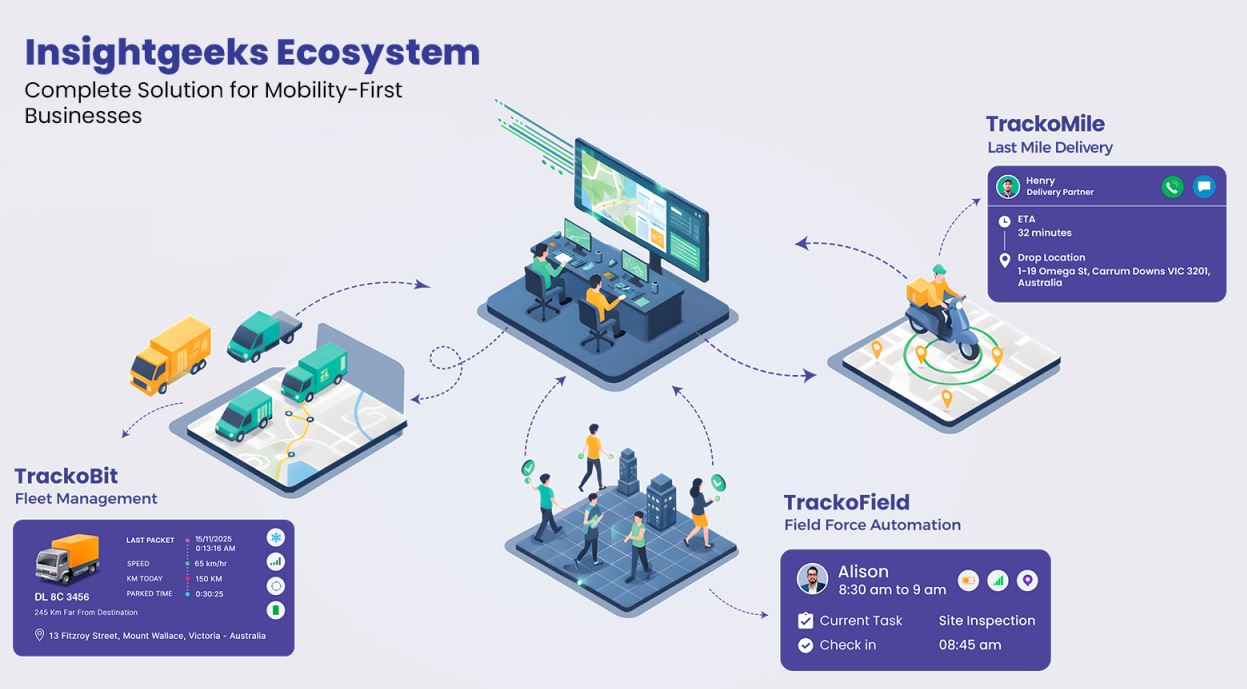
Modern telematics platforms use Driver Scoring to identify risky driving habits, reward responsible drivers, reduce operating costs, and improve overall fleet safety. According to the TrackoBit platform, Driver Behaviour Monitoring is one of the advanced fleet management capabilities available alongside fuel monitoring, route management, video telematics and CAN/OBD reporting.
What Factors Affect a Driver Score?
Although each fleet management platform may use a different scoring model, common indicators include:
| Driver Behaviour | Why It Matters |
| Harsh braking | Increases accident risk and vehicle wear |
| Rapid acceleration | Wastes fuel and stresses the engine |
| Overspeeding | Raises accident risk and traffic violations |
| Excessive idling | Burns unnecessary fuel and increases emissions |
| Harsh cornering | Indicates unsafe driving practices |
| Route deviation | May signal unauthorized trips or inefficiencies |
| Seat belt compliance (where supported) | Improves driver safety |
| Night driving patterns | Helps assess operational risk |
| Fuel consumption | Identifies inefficient driving habits |
| Engine misuse | Helps reduce maintenance costs |
Why Driver Scoring Matters
For many businesses, Driver Scoring is no longer just a reporting tool—it has become part of everyday fleet management. A well-designed scoring system helps organizations:
- Improve road safety.
- Reduce fuel consumption.
- Lower vehicle maintenance costs.
- Identify high-performing drivers.
- Detect risky driving before accidents occur.
- Support driver coaching and training.
- Improve customer service through more reliable driving behaviour.
- Reduce insurance and operational risks.
Who Uses Driver Scoring?
Driver Scoring is valuable across many industries, including:
- Transport and logistics companies
- Courier and delivery services
- Construction fleets
- Public service vehicle (PSV) operators
- Oil and fuel distributors
- Government fleets
- Mining operations
- Agricultural machinery fleets
- Security companies
- Utility and field service providers
As fleets grow, manually monitoring every driver becomes difficult. Driver Scoring provides managers with a simple, data-driven way to compare performance across an entire fleet.
Beyond Location Tracking
Many businesses assume GPS tracking only shows where a vehicle is located. Modern fleet management platforms go much further by combining Driver Scoring with features such as fuel monitoring, geofencing, maintenance reminders, route optimization, OBD/CAN diagnostics, video telematics, and AI-powered analytics. Together, these tools help fleet owners make faster, more informed operational decisions.
Book a Fleet Intelligence Meeting
Planning to improve driver safety, reduce fuel costs, or introduce Driver Scoring across your fleet?
Schedule a virtual fleet consultation with Monolith Africa. We'll document your fleet requirements, discuss your operational challenges, keep professional meeting minutes, and connect you with a suitable fleet technology provider if the solution aligns with your needs.
📅 Book Your Virtual Fleet Strategy Meeting →