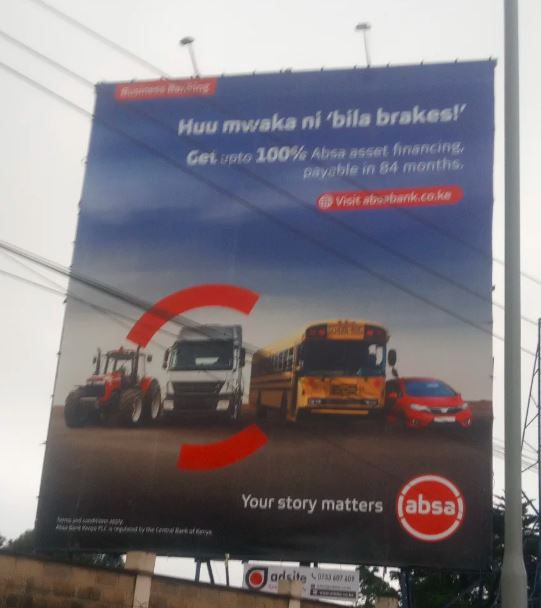
Image of ABSA Bill board on Tractor Financing along waiyaki way
Tractor on Loan in Kenya 2026: How Farmers Can Own a Tractor Without Paying Full Cash
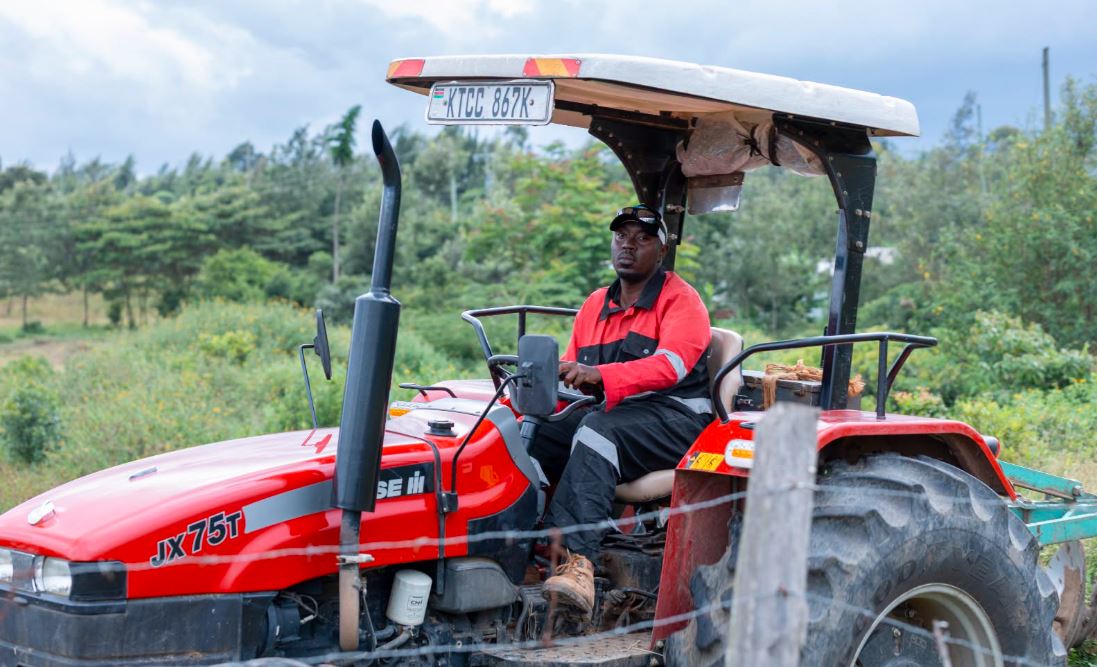
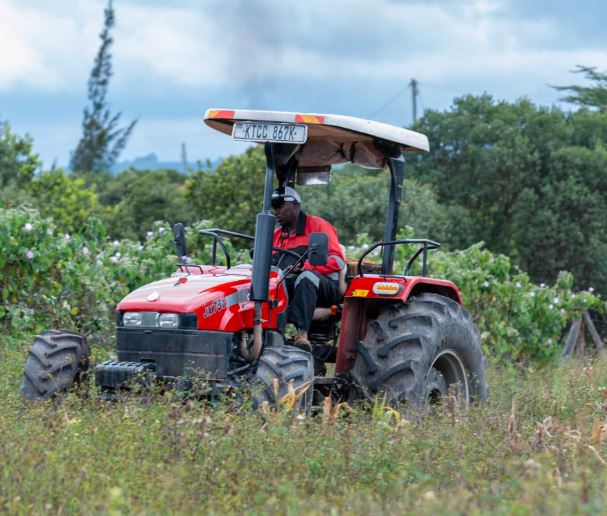
A customer from Equity Bank Drives a CASE Tractor on Financing
For many Kenyan farmers, owning a tractor is no longer a luxury—it is becoming a necessity. With rising labor costs, increasing farm sizes, and the need for timely land preparation, tractors help farmers improve productivity and reduce operating costs.
Weighbridges in Kenya (2026): Rules, Fines, Weight Limits & Complete Guide for Truck Owners
Can a Tractor Pay for Itself?
Many successful farmers use their tractors not only on their own farms but also as a business.
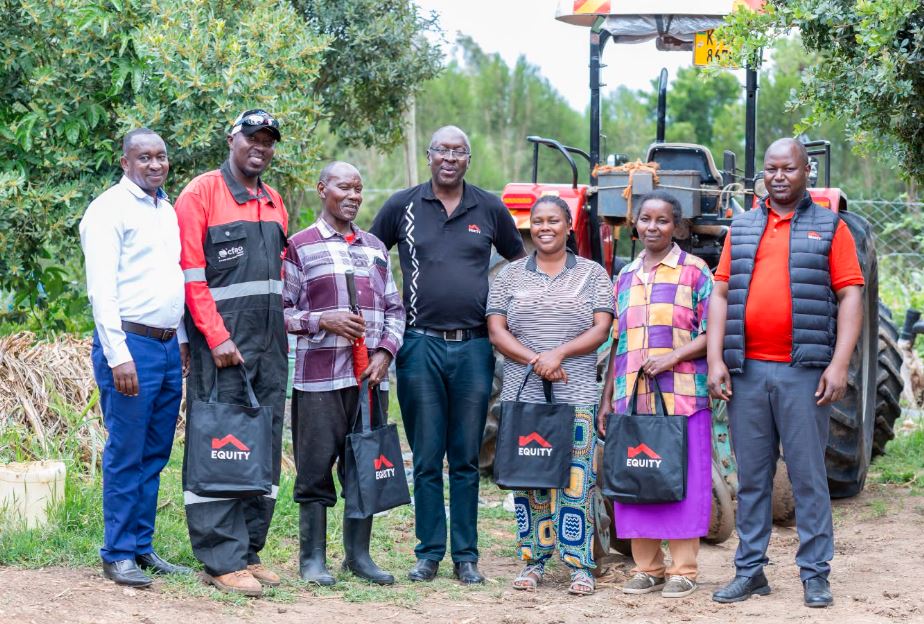
Equity Team Delivering a CASE Tractor to a customer through AF(Asset Financing)
2004 Toyota Prado J120 Price in Kenya (2026): Review, Specs, Fuel Consumption & Is It Worth Buying?
For example, a tractor charging KSh 2,500 to KSh 4,000 per acre for ploughing can generate significant seasonal income. During peak planting seasons, a tractor may serve multiple farms daily, helping offset loan repayments.
This is one reason tractor financing is becoming increasingly attractive among commercial farmers and agricultural entrepreneurs.
💰 Bid for This Space
However, buying a tractor outright can cost anywhere between KSh 1.5 million and KSh 8 million depending on the brand and horsepower.
The good news is that several financial institutions, SACCOs, and equipment dealers now offer tractor financing and asset-backed loans that allow farmers to acquire tractors and pay in installments.
Baba Yaga Nganya : Inside Nairobi’s Wildest Matatu Culture (2026 Guide)
Things Financial Institutions Consider Before Approving a Tractor Loan
- Repayment Capacity: Lenders evaluate your farm income, business cash flows, and existing financial obligations to determine whether you can comfortably service the loan.
- Financial Records: Well-maintained bank statements, sales records, audited accounts, or farm income records can significantly improve your chances of approval.
- Business Viability: The tractor should support a productive farming or commercial operation capable of generating sufficient returns to cover loan repayments.
Garden Motors vs Windsor Motors Kiambu Road (2026): Which Car Dealership Offers the Better Deal?
- Seasonal Cash Flows: Agriculture is seasonal. Financial institutions often assess whether your income cycles align with the proposed repayment schedule.
- Credit History: A positive credit profile demonstrates financial discipline and increases lender confidence in your ability to repay.
- Deposit Contribution: Contributing part of the tractor's purchase price shows commitment and reduces the amount requiring financing.
- Insurance and Asset Protection: Most lenders require comprehensive insurance to safeguard both the borrower and the financed asset against unforeseen risks.
- After-Sales Support and Maintenance: Access to spare parts, servicing, and technical support helps ensure the tractor remains operational and continues generating income.
Buying a tractor through financing is a major investment, and lenders do more than simply look at the price of the machine. They carefully assess whether the borrower has the ability and capacity to repay the loan throughout the financing period.
Before applying for a tractor loan, consider the following:
NCBA, KCB, Co-op,Absa, Equity, Stanbic, DTB, I&M, Family Bank which One?
Why More Farmers Are Buying Tractors Through Loans
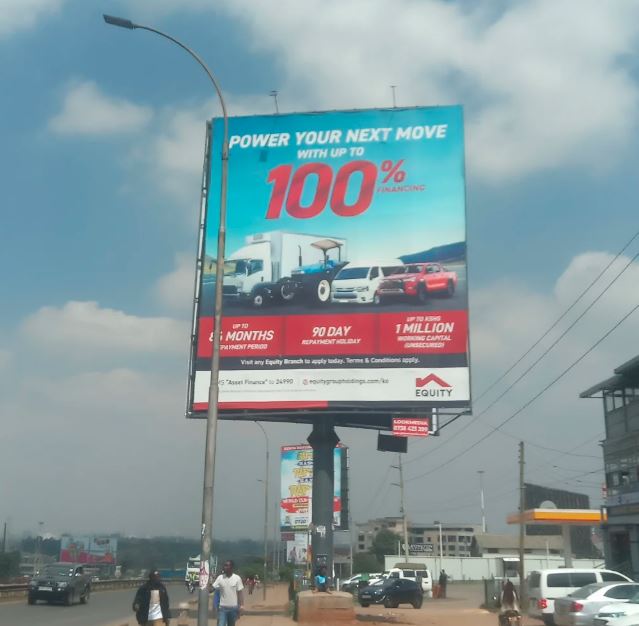
Equity Bill board along Thika Road on Vehicle Financing
Incoterms Explained (2026): What EXW, FOB, CIF, DDP, DAP, FCA, FAS, CFR, CPT, CIP & DPU Mean
Many farmers have profitable farms but lack enough cash to purchase machinery outright. Tractor financing bridges this gap by allowing farmers to:
- Start mechanized farming immediately
- Increase acreage under cultivation
- Reduce dependence on hired labor
- Generate additional income through tractor hire services
- Spread payments over several years
Instead of waiting years to save enough money, farmers can begin using the tractor while making manageable monthly repayments.
Tractors for Sale in Kenya (2026 Price List): MF, New Holland, Ford, John Deere & Farm Implements
How Tractor Financing Works in Kenya
When purchasing a tractor on loan, a lender pays a significant portion of the tractor's cost while the farmer contributes a deposit.
A typical financing arrangement may look like this:
Most lenders require the tractor to remain under financing security until the loan is fully repaid.
| Item | Example |
| Tractor Price | KSh 3,000,000 |
| Deposit (20%) | KSh 600,000 |
| Loan Amount | KSh 2,400,000 |
| Loan Term | 3-5 Years |
| Monthly Installment | Based on lender rates |
Requirements for Getting a Tractor Loan
Requirements vary depending on the lender, but commonly include:
- National ID or Passport
- KRA PIN Certificate
- Bank statements
- Proof of farming activity
- Quotation for the tractor
- Deposit contribution
- CRB status check
- Business registration documents (for commercial farms)
Farmers with a clear repayment plan and active farming operations often have a better chance of approval.
Popular Tractors Financed in Kenya
Original Gold Grease Price in Kenya (1KG, 5KG & 20KG Guide + Where to Buy 2026)
Some of the most commonly financed tractor brands include:
- Massey Ferguson
- New Holland
- John Deere
- Sonalika
- Farmtrac
- Mahindra
- Case IH
- Lovol
These tractors are widely used for ploughing, harrowing, planting, spraying, and transport operations across Kenya.
NCBA, KCB, Co-op,Absa, Equity, Stanbic, DTB, I&M, Family Bank which One?
Is a Tractor Loan Worth It?
For farmers looking to increase production, improve efficiency, and expand their operations, a tractor loan can be a practical investment. The key is selecting the right tractor, understanding the financing terms, and ensuring the machine can generate enough value to support repayments.