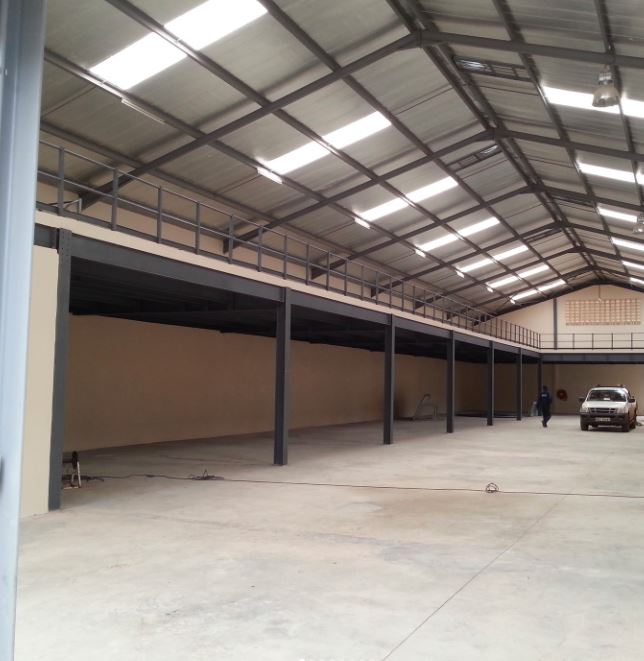
Image of a warehouse under construction by future fix limited
Types of Warehouses Explained
Warehouses are much more than buildings used to store goods.
Modern warehouses play a critical role in supply chain management by helping businesses store inventory, protect products, manage stock levels, perform value-added services, and distribute goods efficiently.
Whether you're importing goods into Kenya, operating a manufacturing business, or managing retail inventory, choosing the right warehouse can reduce costs and improve customer service.
Why Are Warehouses Important?
Warehouses help businesses:
- Store inventory safely
- Reduce stock shortages
- Prepare products for distribution
- Protect goods from damage
- Improve order fulfillment
- Support international trade
- Simplify customs procedures
Many warehouses today also perform value-added services before products reach customers.
1. Public Warehouses
Public warehouses are owned by logistics companies or third-party service providers and rented to businesses that need storage space.
They are suitable for:
- Small businesses
- Seasonal storage
- Importers
- Exporters
- Businesses with changing inventory levels
Advantages
- Lower investment cost
- Flexible rental terms
- Professional warehouse management
- No need to build your own facility
Disadvantages
- Less control over operations
- Storage systems may not be customized for your business
- Shared facilities with multiple customers
Public warehouses are ideal for companies that need flexibility without making large capital investments.
2. Private Warehouses
Private warehouses are owned and operated by manufacturers, wholesalers, retailers, or large logistics companies for their own products.
Examples include supermarkets, manufacturing companies, and large distributors.
Advantages
- Full operational control
- Customized storage systems
- Better inventory management
- Higher security
- Improved efficiency
Disadvantages
- Expensive to build
- High maintenance costs
- Requires dedicated staff and equipment
Private warehouses are often preferred by businesses with consistent, high-volume inventory.
3. Government Warehouses
Government warehouses are owned and managed by public institutions.
They may be used for storing:
- Strategic food reserves
- Relief supplies
- Government equipment
- Agricultural products
- Emergency supplies
These warehouses support national programs and public service delivery.
4. Cooperative Warehouses
Cooperative warehouses are jointly owned by groups of producers or businesses.
They are common in agricultural sectors where farmers share storage facilities to reduce costs.
Benefits include:
- Lower storage expenses
- Shared management
- Better bargaining power
- Improved market access
5. Bonded Warehouses
Bonded warehouses are licensed by customs authorities to store imported goods before customs duties and taxes are paid.
This is especially useful for importers who do not want to pay taxes immediately after the cargo arrives.
Goods can remain in the bonded warehouse while awaiting:
- Customs clearance
- Re-export
- Distribution
- Payment of import duties
For importers, bonded warehouses improve cash flow because taxes are generally deferred until the goods are released into the local market.
6. Temperature-Controlled Warehouses
Some products cannot be stored at normal room temperatures.
Temperature-controlled warehouses maintain specific environmental conditions to preserve product quality.
They are commonly used for:
- Fresh food
- Frozen food
- Dairy products
- Pharmaceuticals
- Vaccines
- Flowers
- Chemicals
Without proper temperature control, these products may spoil, lose effectiveness, or fail to meet safety standards.
Value-Added Services Performed in Warehouses
Warehouses today do much more than simply store goods.
Many provide additional services such as:
Grading
Sorting products based on quality or specifications.
Branding
Applying company logos or promotional materials before products reach customers.
Labelling
Adding barcodes, shipping labels, product information, or regulatory labels.
Packaging
Preparing goods for retail sale or transportation.
Order Picking
Selecting products for customer orders.
These activities help businesses improve efficiency and deliver products that are ready for the market.
Why Pallets Matter
Most warehouse goods are stored on pallets rather than directly on the floor.
Common pallet materials include:
- Wooden pallets
- Plastic pallets
- Metal pallets
- Composite pallets
The choice depends on the type of product.
For example:
- Food and pharmaceutical industries often prefer plastic pallets because they are easier to clean, resistant to moisture, and meet strict hygiene requirements.
- Heavy industrial products may use wooden or metal pallets for greater strength.
Selecting the right pallet improves handling efficiency, protects goods, and supports safe storage.