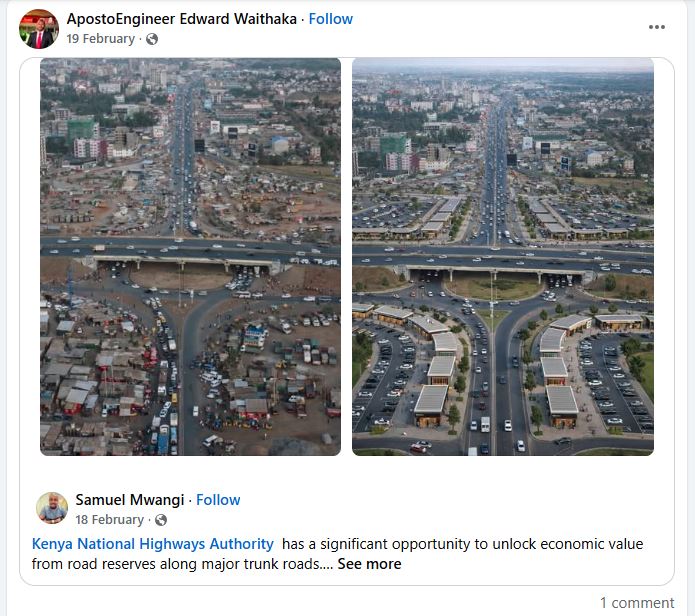
Every day, millions of Kenyans travel along highways managed by the Kenya National Highways Authority (KeNHA). While these roads connect cities, businesses and ports, they also present another opportunity that often goes unnoticed—road reserves.
 Traditionally, road reserves are protected corridors reserved for road construction, expansion and maintenance. However, with proper planning and regulation, they can also become productive economic assets that generate sustainable revenue, improve road safety and support national infrastructure development.
The question is no longer whether Kenya has valuable road reserves—the question is how to unlock their full potential without compromising safety or public access.
What Are Road Reserves?
Road reserves are public land set aside alongside roads for transport infrastructure and future expansion. They accommodate drainage systems, utilities, pedestrian facilities and future road improvements while protecting highways from uncontrolled development.
When left unmanaged, road reserves often attract informal structures, illegal parking, unregulated advertising and unauthorized access points that contribute to congestion and increase road safety risks.
A Missed Economic Opportunity
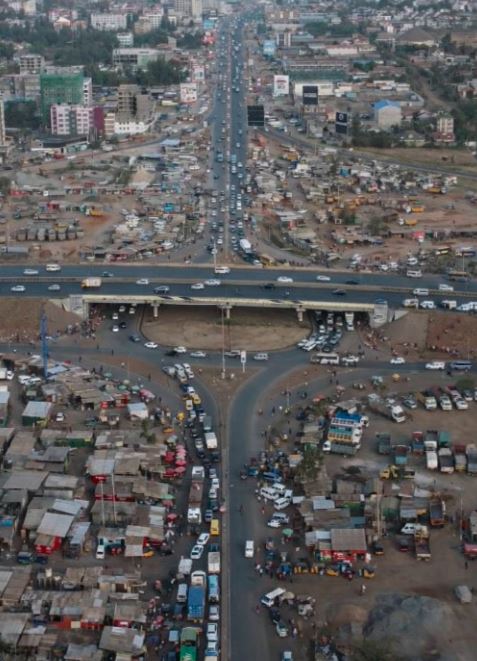
Aerial view of Nairobi Thika Road and By pass
Kenya's busiest transport corridors—including Thika Superhighway, Mombasa Road, the Northern Bypass, Southern Bypass and Nairobi Expressway connections—carry thousands of vehicles every day.
This traffic represents significant economic activity.
Instead of allowing unplanned occupation, strategically planned commercial developments could transform selected locations into organized transport service zones while preserving the primary purpose of road reserves.
Potential developments could include:
- Regulated truck parking facilities
- Driver rest areas
- Fuel stations
- Electric vehicle charging hubs
- Emergency breakdown bays
- Logistics support centres
- Public sanitation facilities
- Controlled outdoor advertising
- Smart freight management centres
Such developments could generate long-term lease income while improving services for road users.
Supporting Kenya's Logistics Economy
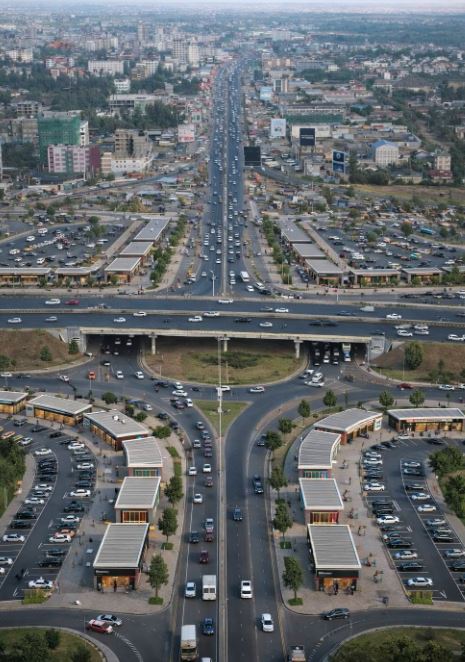
After Integration
Road transport remains the backbone of Kenya's economy, moving agricultural produce, construction materials, fuel, manufactured goods and imports between the Port of Mombasa and inland markets.
As freight volumes continue to grow, transport operators increasingly require secure parking, maintenance facilities and logistics support located near major highways.
Well-planned commercial zones within designated transport corridors could reduce illegal roadside stopping while supporting freight efficiency and improving driver welfare.
Safety Must Come First
Commercial development should never compromise road safety.
Any future use of road reserves should be guided by:
- Comprehensive traffic studies
- Safe access and exit designs
- Environmental impact assessments
- Controlled pedestrian movement
- Emergency access requirements
- Compliance with national road design standards
The objective should be to complement transport infrastructure—not obstruct it.
Learning from International Practice
Several countries successfully generate revenue from highway infrastructure beyond fuel levies by integrating carefully planned commercial services along major transport corridors.
These include:
- Highway service plazas
- Truck stops
- Rest areas
- Advertising concessions
- Utility corridors
- Logistics parks
Kenya has an opportunity to evaluate similar models while adapting them to local transport needs and regulatory requirements.
A Strategic Opportunity for KeNHA
As Kenya continues investing in highways, bypasses and freight corridors, road reserves could become more than protected land—they could become strategic assets supporting infrastructure financing, logistics efficiency and economic growth.
Any future commercialization would require transparent planning, public participation and compliance with existing laws. If implemented responsibly, road reserves could contribute to sustainable revenue while preserving their primary role in supporting safe and efficient transport networks.
The Bigger Picture
Roads are more than strips of asphalt—they are economic corridors. Every kilometre connects businesses, markets, industries and communities. Maximizing the value of these corridors requires balancing infrastructure protection with carefully planned economic activity.
For Kenya, the next phase of transport development may not only be about building new roads, but also about making existing transport corridors work harder for the economy while remaining safe, efficient and accessible to all road users.
🚜 Monolith Africa – Where Infrastructure Meets Opportunity
Monolith Africa connects contractors, transporters, investors and policymakers with trusted insights on roads, logistics, heavy equipment and infrastructure across Africa. Whether you're tracking transport policy, sourcing machinery or exploring emerging opportunities, Monolith Africa helps you stay ahead of the industry.