
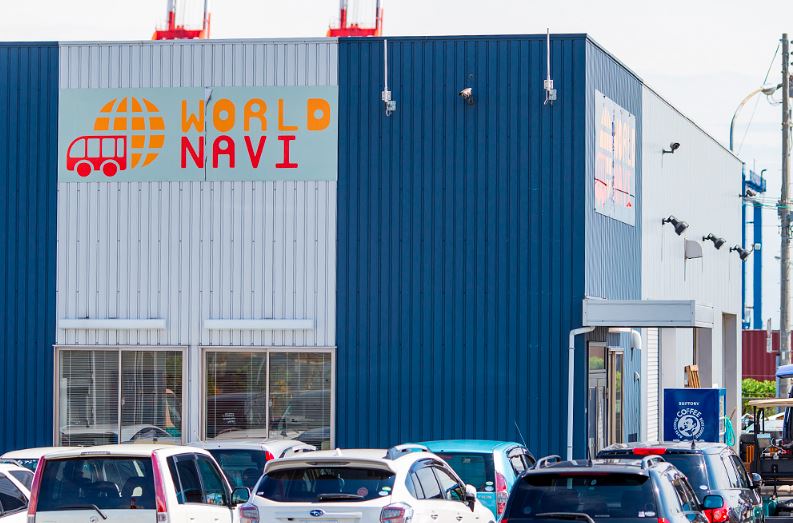
Image of a World Navi HQ a top car Importer in Kenya
Buying a car directly from Japan has become increasingly popular among Kenyan motorists looking for lower mileage, better-maintained vehicles, and competitive prices. However, importing a vehicle involves more than simply selecting a car online. From finding the right unit to shipping and customs clearance, understanding each stage helps buyers avoid costly mistakes.
This guide explains the complete vehicle import process and what you should expect when purchasing a car from Japan.
Why Import a Car from Japan?
Japanese vehicles are highly regarded worldwide because they are typically well-maintained, have lower mileage, and undergo strict inspections before export. Importing directly also gives buyers access to a wider range of models, trims, and specifications than those commonly available in local dealerships.
Benefits include:
- Lower mileage vehicles
- Better service history
- Higher equipment specifications
- Competitive prices
- Wide selection of makes and models
- Excellent resale value
Step 1: Submit Your Vehicle Requirements
The process begins by identifying the type of vehicle you need.
Provide details such as:
- Preferred make and model
- Year of manufacture
- Budget
- Fuel type
- Transmission
- Colour
- Mileage
- Special features (sunroof, leather seats, 4WD, hybrid, etc.)
The more specific your requirements, the easier it is to find a suitable vehicle.

Image of a Nissan x-trail for sale in Japan by World Navi
Step 2: Search for the Right Vehicle
Once your requirements are received, exporters search through:
- Japanese dealer inventories
- Used car marketplaces
- Auction houses
- Export stock
At this stage, several options are normally presented for comparison based on price, condition, and specifications.
Step 3: Vehicle Inspection and Assessment
Before purchasing, the selected vehicle should undergo a professional inspection.
Key areas checked include:
- Engine performance
- Transmission
- Suspension
- Accident history
- Chassis condition
- Interior condition
- Exterior bodywork
- Genuine mileage
- Service records
A proper inspection helps ensure you receive a quality vehicle that matches its advertised condition.
Step 4: Purchase the Vehicle
Once satisfied with the inspection results, the exporter purchases the vehicle on your behalf.
You should receive confirmation documents showing:
- Vehicle details
- Purchase price
- Chassis number
- Export status
Always verify these details before making final payment.
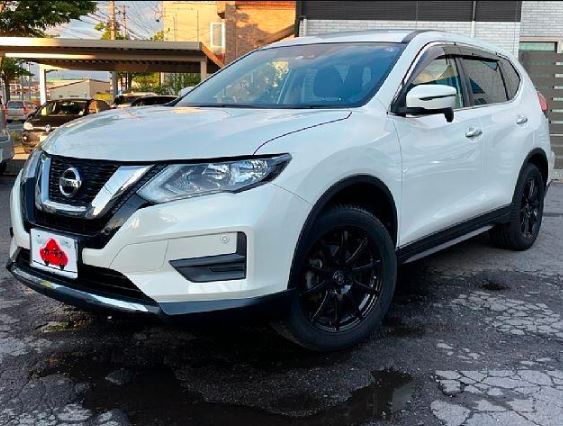
Image of a Nissan x-trail for sale in Japan by World Navi
Step 5: Service and Preparation
Before shipping, many exporters carry out additional servicing such as:
- Mechanical inspection
- Fluid replacement
- Battery check
- Cleaning
- Minor repairs
- Interior detailing
This ensures the vehicle is ready for export and arrives in good condition.
Step 6: Export Documentation
Several important documents are prepared before shipment, including:
- Export Certificate
- Bill of Lading
- Commercial Invoice
- Inspection Certificate (where applicable)
- Customs export documents
These documents are essential for clearing the vehicle once it arrives in Kenya.
Step 7: Shipping the Vehicle
The vehicle is then transported to a Japanese port and loaded onto a shipping vessel destined for Kenya.
Depending on the shipping schedule, transit to the Port of Mombasa usually takes several weeks.
Throughout this stage, buyers can often track the shipment using the Bill of Lading or shipping reference number.
Step 8: Customs Clearance and Delivery
Once the vehicle arrives in Kenya, it goes through customs clearance before registration.
Typical charges include:
- Import Duty
- Excise Duty
- VAT
- Railway Development Levy (RDL)
- Import Declaration Fee (IDF)
- Registration charges
After clearance, the vehicle is ready for collection or delivery.
Common Mistakes to Avoid
Many first-time importers make avoidable mistakes such as:
- Buying without an inspection report
- Ignoring total landed costs
- Choosing the cheapest vehicle instead of the best condition
- Failing to verify mileage
- Working with unverified exporters
- Overlooking auction grades and service history
Taking time to verify every stage helps reduce risk and protects your investment.