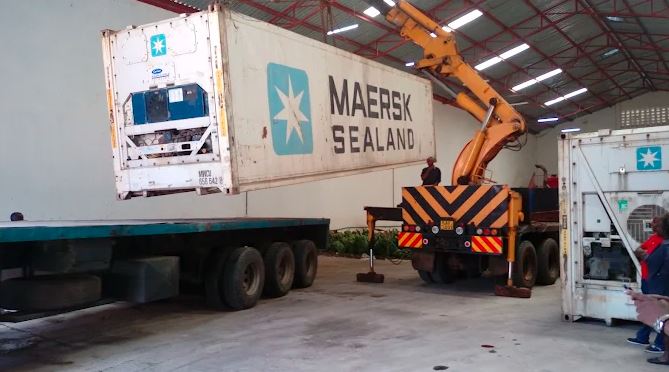
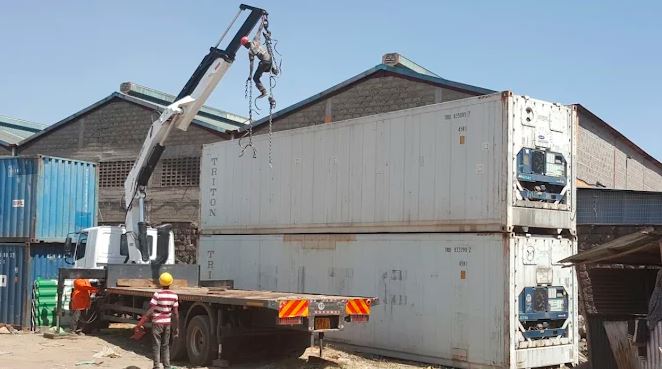
A low loader lift a 40 Foot Maersk Reefer by Containers Kenya
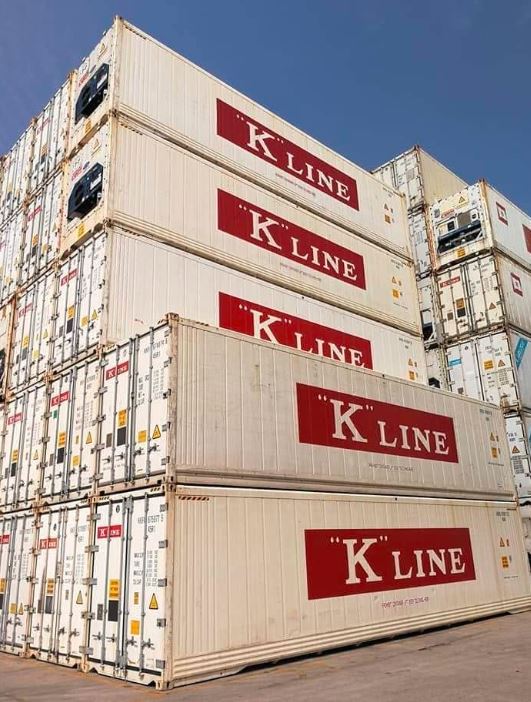
A 40 feet refrigerated container, commonly called a 40ft reefer container, is designed to transport or store products that need controlled temperatures. In Kenya, reefers are increasingly useful beyond international shipping, with businesses using them for cold storage of meat, fish, dairy products, fruits, vegetables, flowers, pharmaceuticals and other temperature-sensitive products.
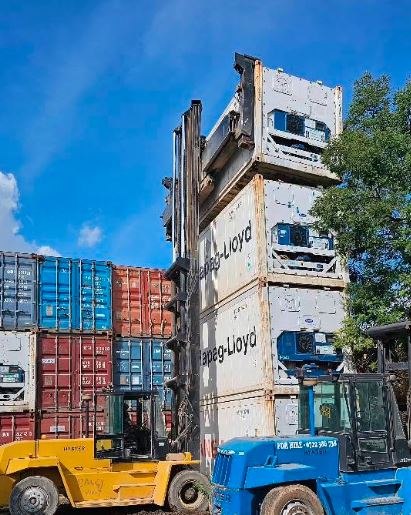
❄️ Need a 20ft or 40ft Refrigerated Container?
Contact Containers Kenya for refrigerated containers for sale or lease.
📞 0722 386 738
⭐ Mention “MONOLITH AFRICA” when calling to request priority assistance with your enquiry.
The condition of the refrigeration machinery, container age, temperature capability and whether the unit has been tested can significantly affect what you're actually buying.
40 Feet Refrigerated Container Price in Kenya
Car Key Programming in Kenya (2026): Price, Replacement, Smart Keys & Lost Car Key Guide
Reefer Container Prices in Kenya – 2026
| Reefer Type | Condition | Typical Price Range (KSh) |
| 20ft Reefer | Used, working/tested | 850,000 – 1,350,000 |
| 40ft HC Reefer | Used, working/tested | 1,000,000 – 1,700,000 |
| 40ft HC Reefer | Better-grade / higher-spec used | 1,500,000 – 2,050,000 |
| 40ft Reefer | New / one-trip estimate | 2,000,000 – 3,500,000+ |
| 40ft Delivery | Nairobi/nearby–upcountry | 25,000 – 160,000+ |
In 2026, expect to pay roughly KSh 1 million to KSh 1.7 million for a working used 40ft refrigerated container in Kenya. Better-grade units can exceed KSh 2 million, while new 40ft reefers may cost KSh 2 million to KSh 3.5 million or more. Prices depend heavily on age, refrigeration unit, condition, temperature range and warranty.
40ft Reefer Container Dimensions
A 40ft reefer has similar external dimensions to a conventional shipping container, although its usable internal space is reduced by insulation and refrigeration equipment.Approximate dimensions for a 40ft High Cube reefer are:
| Specification | Approximate Measurement |
| External Length | 12.19 m |
| External Width | 2.44 m |
| External Height | 2.90 m |
| Internal Length | Around 11.6 m |
| Internal Width | Around 2.29 m |
| Internal Height | Around 2.55 m |
| Capacity | Roughly 67 m³ |
| Tare Weight | Around 4–5 tonnes |
What Is the Capacity of a 40 Feet Reefer Container?
A 40ft High Cube refrigerated container typically provides approximately 65–68 cubic metres of internal capacity.
Toyota Fielder Hybrid Battery Repair Cost in Kenya (2026): What to Expect
Reefer containers require proper air circulation around the cargo. Packing goods too tightly or obstructing airflow can prevent the refrigeration system from maintaining an even temperature throughout the container.
The actual amount of produce or cargo you can safely load therefore depends on the product, packaging, pallet configuration and required airflow.
20ft vs 40ft Refrigerated Container
A 20ft reefer may make more sense for businesses with lower storage requirements or limited installation space.A 40ft reefer provides substantially greater storage capacity and can be more economical where large volumes need temperature-controlled storage.The best choice isn't automatically the biggest container.Calculate your daily/weekly product volume, required temperature, available site space, electricity supply and expected storage duration first.
What Temperature Can a Reefer Container Maintain?
Refrigerated containers are built to maintain controlled temperatures.
Depending on the reefer machinery fitted, units commonly operate across a range that can extend from approximately -30°C to +30°C. Some specialized models may operate beyond these limits.
This makes reefers suitable for products including:
- Frozen meat and fish
- Fresh fruits and vegetables
- Dairy products
- Flowers
- Pharmaceuticals
- Food-processing ingredients
- Frozen foods
- Other temperature-sensitive cargo
40ft Reefer vs Ordinary 40ft Shipping Container
Directline Assurance Kenya (2026): Motor Insurance, Contacts, Products & Current Status
The two containers may look similar externally, but they serve very different purposes.A normal 40ft shipping container is essentially a secure steel cargo box.A reefer adds insulated walls, a specialized floor, temperature controls, sensors and a refrigeration system.That explains both its higher purchase price and ongoing operating costs.
Businesses should also budget for electricity, refrigeration servicing and eventual component replacement.
Used 40ft Refrigerated Containers for Sale in Kenya
Buying a used reefer can reduce the initial investment considerably, but inspection becomes particularly important. Before paying, ask the seller to switch the refrigeration unit on and demonstrate that it reaches and maintains the required temperature.
inspect:
Reefer machinery: Listen for unusual noises and check its service history where available.
Doors and seals: Damaged rubber seals allow cold air to escape and increase electricity consumption.
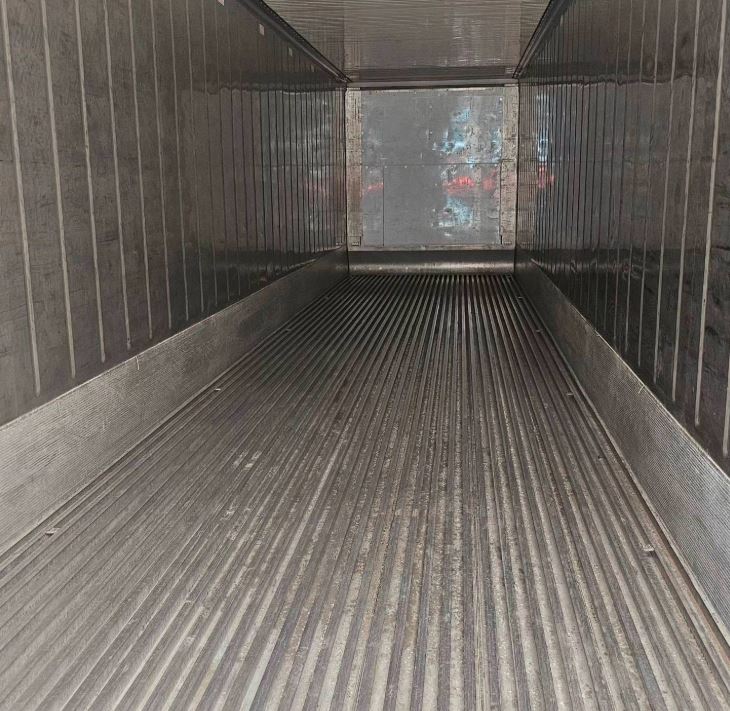
Interior: Inspect the floor, walls and ceiling for significant damage.
Control panel: Confirm that the temperature controller, display and alarms function correctly.
Container structure: Check doors, frame, roof and exterior for major corrosion or previous structural damage.
Documentation: Verify the container identification and available specification/inspection information.
A cheap reefer with a failing refrigeration unit can quickly become more expensive than purchasing a properly tested container.
Excavator Service Engineer Jobs in Africa (2026): Skills, Salary & Career Opportunities
❄️ Need a 20ft or 40ft Refrigerated Container?
Contact Containers Kenya for refrigerated containers for sale or lease.
📞 0722 386 738
⭐ Mention “MONOLITH AFRICA” when calling to request priority assistance with your enquiry.