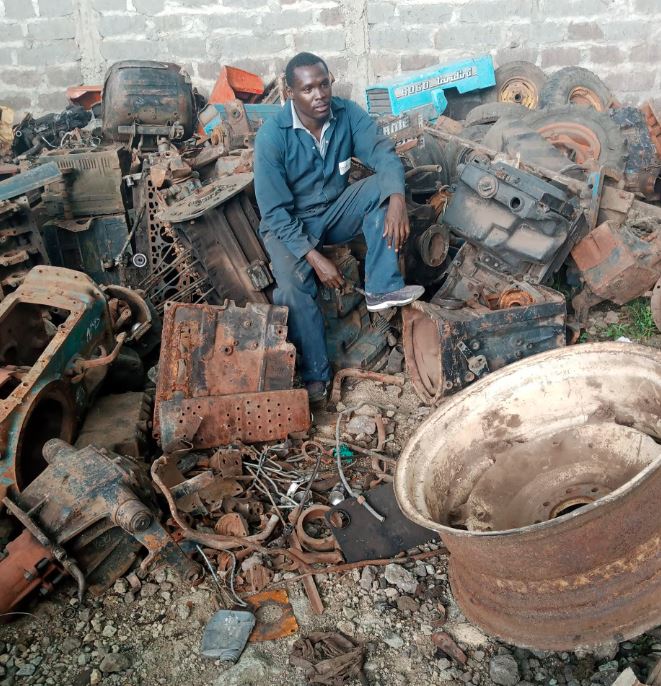
Africa's construction, mining and infrastructure sectors are expanding rapidly, creating strong demand for skilled heavy equipment service engineers. From road construction in Kenya to mining operations in Zambia and oil and gas projects in Uganda, companies rely on experienced technicians to keep excavators and hydraulic attachments operating efficiently.
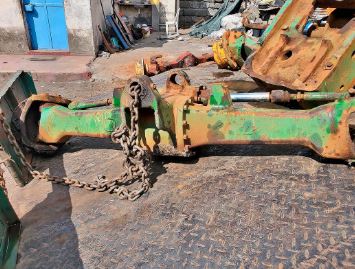
If you're considering a career as an excavator service engineer or looking to hire one, understanding the required skills and responsibilities is essential.
What Does an Excavator Service Engineer Do?
An excavator service engineer is responsible for inspecting, diagnosing, repairing and maintaining heavy construction equipment. Their work ensures machines remain safe, reliable and productive on construction and mining sites.
Typical responsibilities include:
- Machine commissioning and inspections
- Preventive maintenance
- Hydraulic system troubleshooting
- Engine servicing
- Warranty inspections and claims
- Preparing service reports
- Diagnosing electrical and hydraulic faults
- Supporting customers on-site
Experienced engineers often work with machines ranging from compact excavators to large mining excavators.
Key Skills Employers Look For
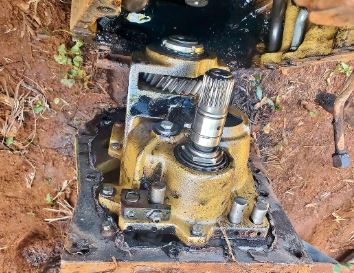
Heavy equipment manufacturers and dealers value engineers with practical field experience. Common skills include:
- Hydraulic pump repairs
- Hydraulic cylinder servicing
- Swing motor repairs
- Track motor maintenance
- Undercarriage inspections
- Engine diagnostics
- Rock breaker maintenance
- Seal kit replacement
- Machine commissioning
- Preventive maintenance planning
Experience with manufacturer training programmes and dealership environments is also highly valued.
Industries Hiring Excavator Service Engineers
Qualified service engineers can find opportunities in:
- Construction companies
- Mining contractors
- Quarry operators
- Equipment dealerships
- Heavy equipment rental companies
- Oil and gas projects
- Infrastructure development firms
- Government road projects
As Africa continues investing in roads, railways, energy and industrial development, demand for skilled heavy equipment technicians is expected to remain strong.
Why Preventive Maintenance Matters
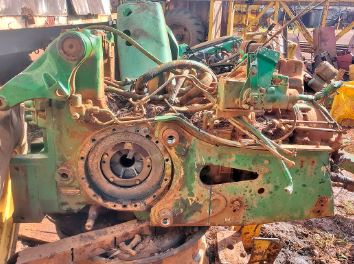
A single excavator breakdown can delay an entire project and increase operating costs. Regular servicing helps:
- Reduce unexpected downtime
- Extend machine lifespan
- Improve fuel efficiency
- Lower repair costs
- Increase equipment availability
- Improve job-site safety
Companies increasingly prefer engineers who can identify potential failures before they become costly repairs.
Career Growth
Many service engineers begin as field technicians before progressing to:
- Senior Service Engineer
- Workshop Supervisor
- Technical Trainer
- Product Support Engineer
- Regional Service Manager
- Equipment Reliability Specialist
With additional experience, some professionals establish independent service businesses supporting fleets across multiple regions.
Need a Heavy Equipment Technician?
Monolith Africa is building a network of verified heavy equipment professionals across Africa, including excavator service engineers, crane technicians, mechanics, operators and hydraulic specialists.
If you're a company looking for skilled talent—or a technician seeking new opportunities—join Monolith Africa and connect with the right people in the heavy equipment industry.