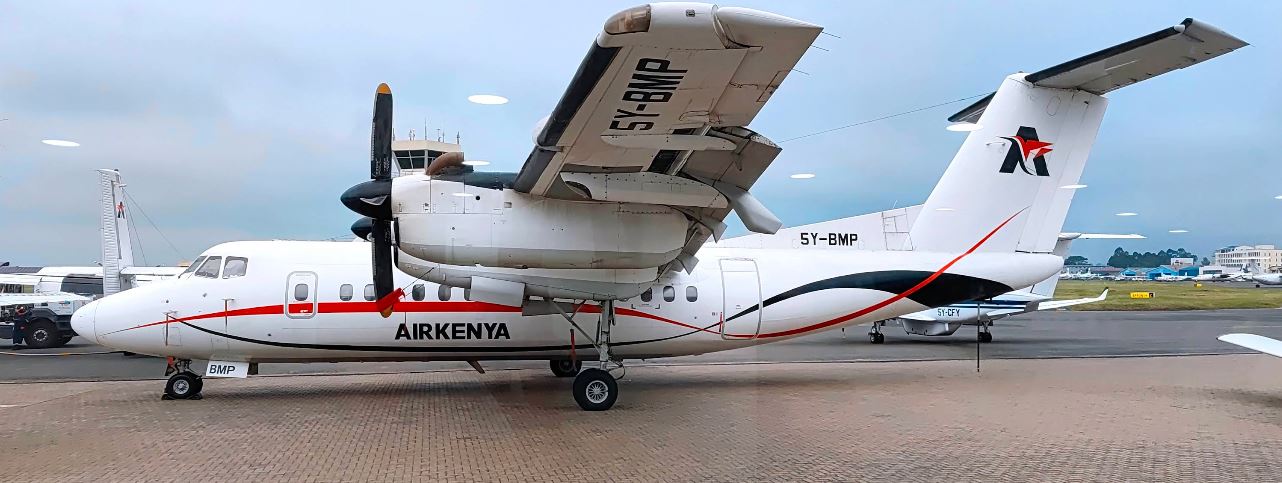
Image of an airbird at Wilson Airport by Varun N
Wilson Airport is Kenya's busiest airport for domestic and general aviation. Located just a few kilometres from Nairobi's CBD, it serves thousands of flights every month, including safari charters, helicopter operations, flight schools, private aircraft, air ambulance services, and government aviation.
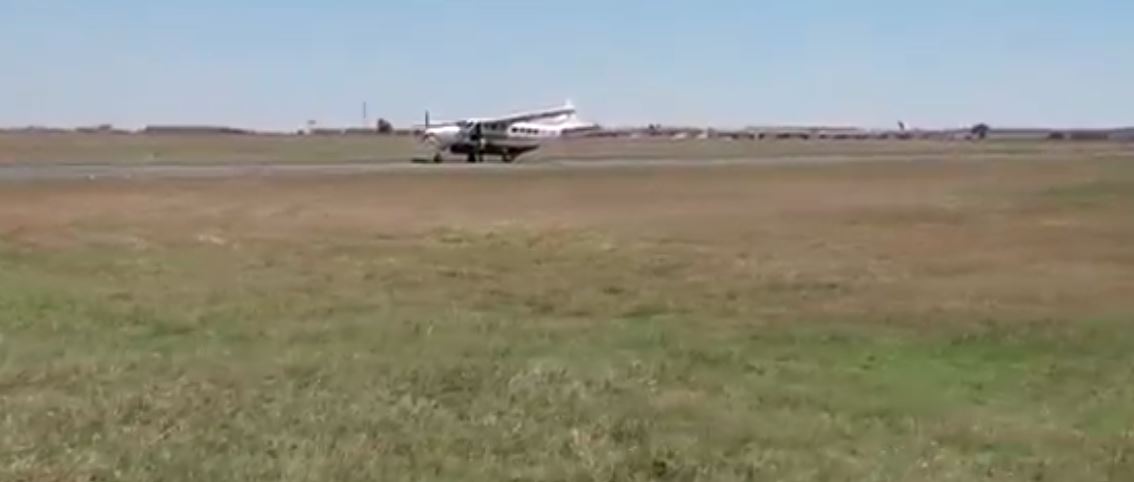
Image of an aircraft at Wilson airport by Girish Barve
If you're new to aviation, one of the first questions you'll ask is: Do aircraft pay to land?
The answer is yes. Every aircraft using Wilson Airport is subject to airport charges, including landing fees and, where applicable, parking fees. These charges help maintain the airport's runways, taxiways, aprons, security, airfield lighting, and other operational services.
What Is a Landing Fee?
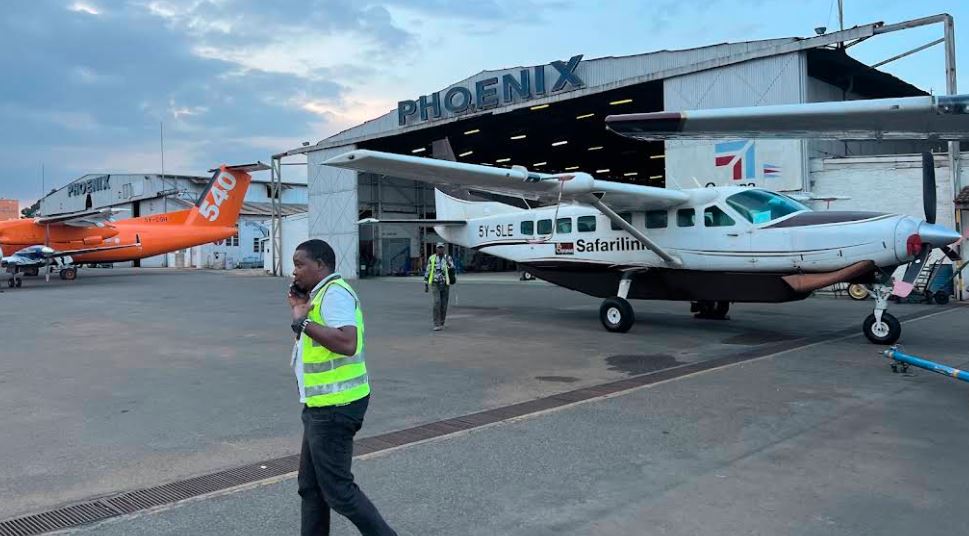
Image of a worker walks past an aircraft at Wilson Airport by James Delaney
A landing fee is the amount charged every time an aircraft lands at an airport.
Unlike passenger parking, this fee is not based on how long the aircraft stays. Instead, it is primarily determined by factors such as:
- Aircraft weight
- Aircraft category
- Airport tariff structure
- Type of operation
Whether it is a helicopter, a small Cessna, or a business jet, each aircraft contributes towards the cost of operating and maintaining airport infrastructure.
Do Helicopters Pay Landing Fees?
Yes.
Helicopters operating into Wilson Airport also pay landing fees, although the amount is generally lower than that of larger fixed-wing aircraft because helicopters are lighter.
The applicable charge depends on the helicopter's certified weight and the airport's published tariff schedule.
What About Parking Charges?
Landing and parking are two different charges.
After landing, an aircraft may remain parked on the apron.
Many operators are familiar with the practice where short ground stays may not immediately attract parking charges, after which parking fees begin to apply according to the airport's tariff schedule and the aircraft's weight category.
For charter companies conducting quick passenger drop-offs or pick-ups, this helps reduce operating costs while ensuring efficient use of apron space.
Why Are Airport Fees Important?
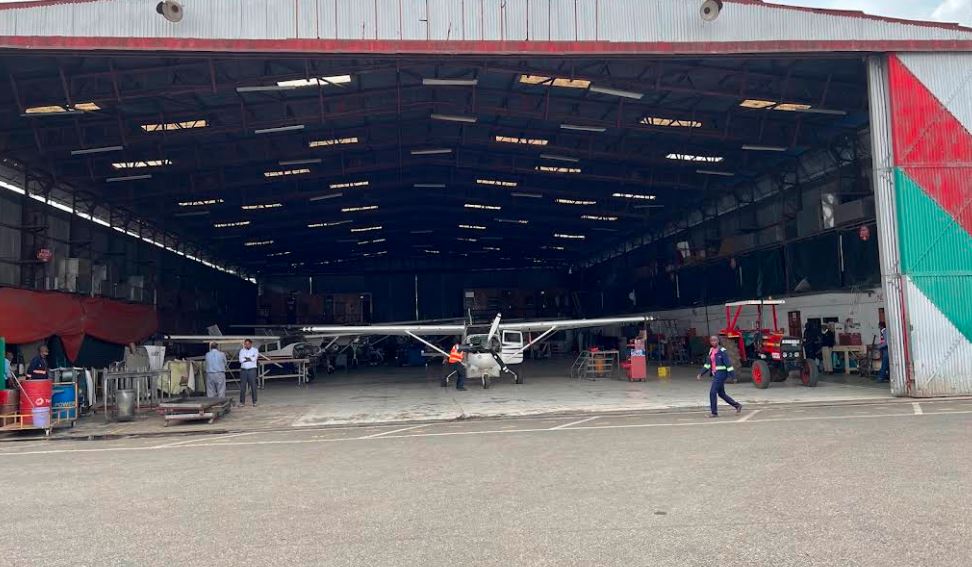
Image of an airport hanger at wilson airport by Nitish Jain
Airport charges support essential aviation services, including:
- Runway maintenance
- Airfield lighting
- Fire and rescue services
- Wildlife control
- Security
- Aircraft parking areas
- Air traffic support infrastructure
Without these services, airports would not be able to safely handle aircraft operations throughout the day.
Wilson Airport Is More Than Just an Airport
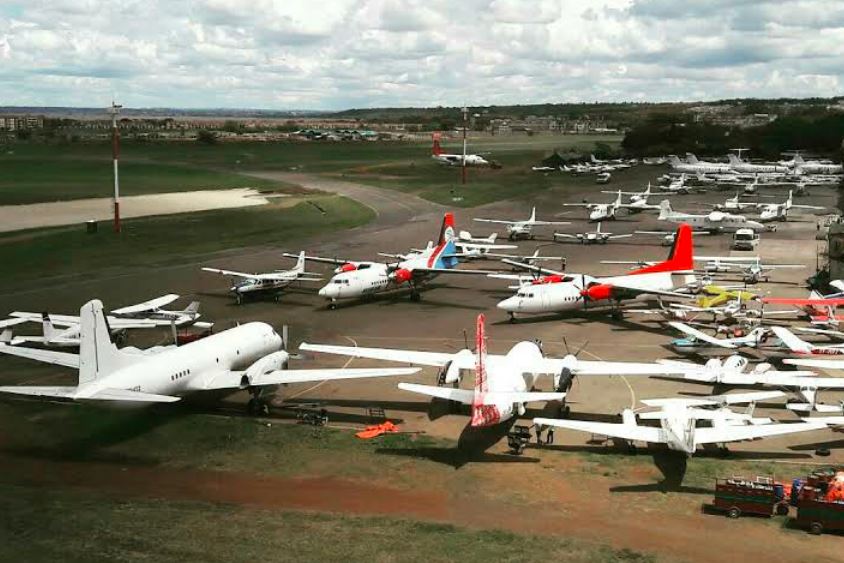
Image of airbirds at Wilson Airport by Alex Momanyi
Wilson Airport is one of East Africa's most important general aviation hubs.
It serves:
- Safari airlines
- Helicopter charter companies
- Flight training schools
- Air ambulance operators
- Government aircraft
- Private pilots
- Cargo operators
- Aircraft maintenance organisations
Many flights to destinations such as the Maasai Mara, Amboseli, Samburu, Nanyuki, Diani, Lamu, and other remote airstrips begin at Wilson Airport.
What Determines the Total Cost of a Helicopter Flight?
Landing fees are only one part of operating a helicopter.
Operators also budget for:
- Jet A or Avgas fuel
- Pilot salaries
- Aircraft maintenance
- Insurance
- Navigation charges
- Parking charges
- Scheduled inspections
- Spare parts
- Hangar costs
This explains why helicopter charter prices are influenced by much more than fuel alone.