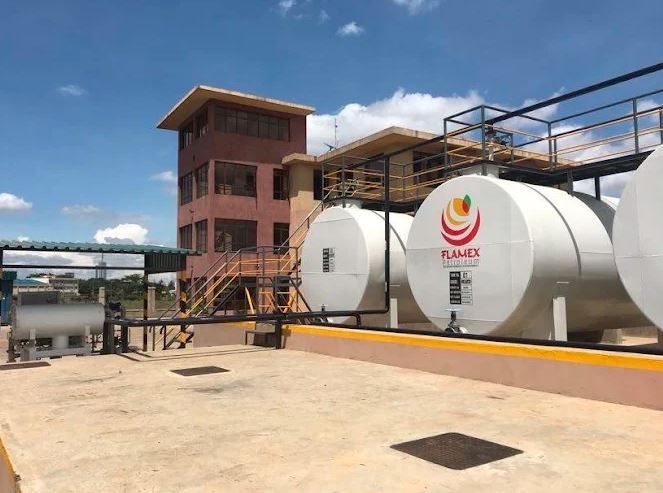
Nanyuki Airstrip is one of Kenya's busiest regional aviation hubs, serving safari airlines, private aircraft, helicopter operators, military flights, humanitarian missions, and business aviation. Every day, aircraft depart for destinations such as Lewa Wildlife Conservancy, Samburu, Meru, Laikipia, Mount Kenya, and northern Kenya.
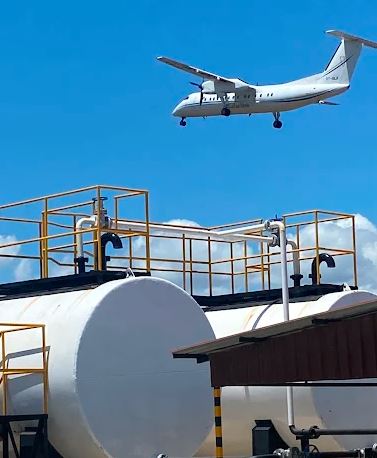
One question many aviation enthusiasts and aircraft owners ask is: Who supplies jet fuel at Nanyuki Airstrip?
The answer is Flamex Petroleum, one of Kenya's leading aviation fuel suppliers, which operates an aviation fuel depot at Nanyuki to support aircraft requiring Jet A-1 and Avgas.
Why Nanyuki Airstrip Is Important
Located in Laikipia County, Nanyuki Airstrip is strategically positioned between Nairobi and Kenya's northern conservation areas.
It serves:
- Safari charter flights
- Private aircraft
- Turbine helicopters
- Flight training aircraft
- Business aviation
- Government and humanitarian flights
Because many aircraft continue into remote regions where fuel may not be readily available, reliable refuelling facilities are essential.
Who Supplies Aviation Fuel at Nanyuki?
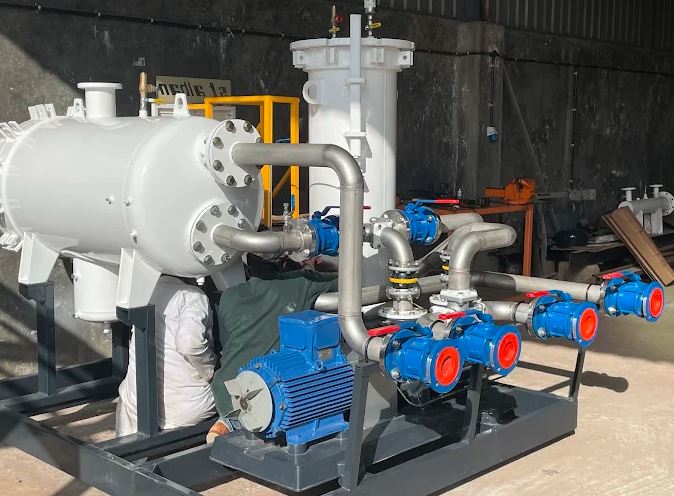
One of the main aviation fuel providers at Nanyuki Airstrip is Flamex Petroleum.
The company operates an aviation fuel storage facility capable of supplying aircraft with:
- Jet A-1 aviation turbine fuel
- Aviation gasoline (Avgas)
In addition to fuel storage, aviation fuel suppliers typically provide:
- Into-plane refuelling
- Fuel quality testing
- Fuel filtration
- Safe handling procedures
- Bulk fuel logistics
These services ensure aircraft can refuel quickly and safely before continuing their journey.
What Is Jet A-1 Fuel?
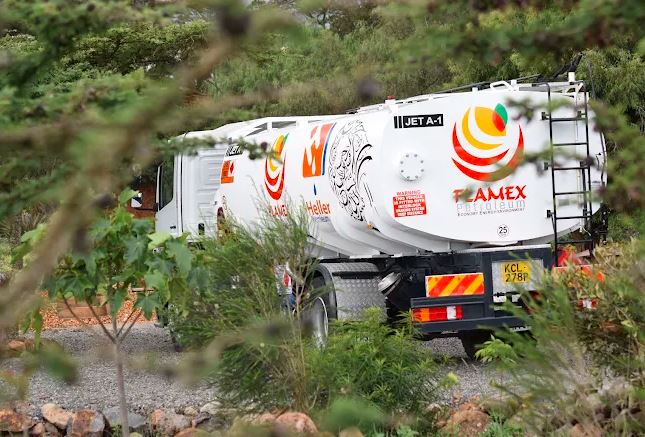
Jet A-1 is the standard fuel used by turbine-powered aircraft.
Aircraft commonly using Jet A-1 include:
- Passenger jets
- Business jets
- Turbine helicopters
- Caravan aircraft
- King Air aircraft
- Air ambulance aircraft
Jet A-1 is a kerosene-based aviation fuel specially refined to operate safely under extreme temperatures and high-altitude conditions.
What About Avgas?
Not every aircraft uses Jet A-1.
Smaller piston-engine aircraft require Avgas (Aviation Gasoline).
Aircraft commonly using Avgas include:
- Cessna 172
- Piper Cherokee
- Beechcraft Bonanza
- Other piston-engine training aircraft
This is why many regional airports serving general aviation maintain supplies of both Jet A-1 and Avgas.
How Aircraft Are Refuelled
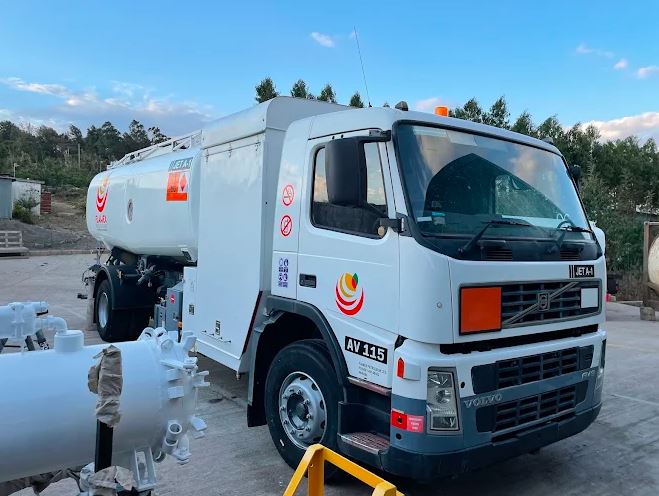
Aircraft refuelling follows strict aviation safety procedures.
Before fuel enters the aircraft, technicians check:
- Fuel quality
- Water contamination
- Correct fuel grade
- Fuel quantity requested by the pilot
Fuel is then delivered directly into the aircraft's fuel tanks using specialised aviation refuelling equipment.
Unlike road vehicles, aircraft are not always filled to maximum capacity. Pilots calculate exactly how much fuel is required based on:
- Flight distance
- Passenger weight
- Cargo
- Weather
- Reserve fuel requirements
- Aircraft performance
Why Fuel Availability Matters
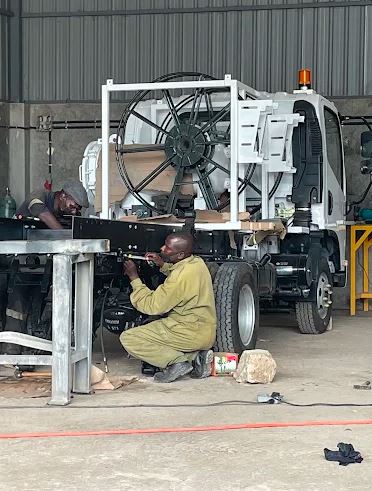
For safari operators and private aviation companies, dependable fuel supplies reduce delays and improve operational efficiency.
Aircraft can:
- Refuel quickly
- Continue to remote airstrips
- Carry optimal passenger loads
- Avoid unnecessary diversions for fuel
This makes Nanyuki an important refuelling stop for many flights operating across central and northern Kenya