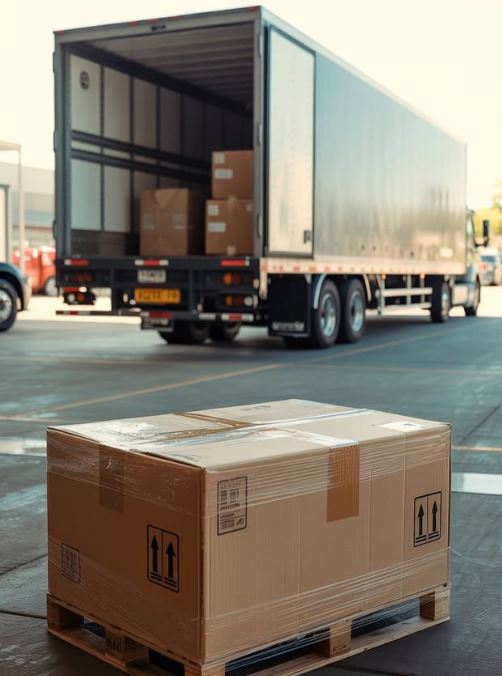
Image of a shipment box by TRANSLOGPOLIS
What Is a Freight Forwarder?
If you've ever imported a vehicle from Japan, ordered machinery from China, or shipped goods overseas, you've probably heard the term freight forwarder.
A freight forwarder is not the shipping line, airline, or truck owner. Instead, they are logistics experts who organize and coordinate the movement of cargo from one country to another.
Think of a freight forwarder as the project manager of international shipping. Rather than transporting cargo themselves, they arrange the best routes, negotiate freight rates, prepare shipping documents, coordinate customs clearance, and ensure goods reach the importer safely and on time.
Without freight forwarders, international trade would be far more complicated for businesses and individual importers.
Overloading Penalties in Kenya (2026): Fines, Offloading Rules & What Every Truck Owner Should Know
What Does a Freight Forwarder Do?
A freight forwarder manages nearly every stage of an international shipment.
Their responsibilities often include:
- Cargo pickup from the supplier
- Warehouse handling and consolidation
- Export customs clearance
- Booking cargo space with shipping lines or airlines
- Shipment documentation
- Shipment notifications and tracking
- Document transfer between countries
- Import customs clearance
- Coordination with transport companies
- Final delivery to the importer
- Regular shipment status updates
Instead of dealing with multiple service providers separately, businesses can rely on a freight forwarder to coordinate the entire logistics process.
The Freight Forwarding Process
A typical freight forwarding transaction follows these steps:
1. Cargo Collection
The freight forwarder arranges collection of goods from the supplier's warehouse or factory.
Ace Prestige Motors vs Willow Motors Kiambu Road (2026): Which Car Yard Should You Visit First?
2. Warehouse Handling
Cargo may be inspected, weighed, labeled, repacked, or consolidated with other shipments before export.
2014 Mitsubishi Fuso 33-Seater Bus Price in Kenya (2026): Specs, Fuel Economy & Buyer's Guide
3. Export Customs Clearance
The freight forwarder prepares export documents and works with customs authorities to obtain clearance.
HOWO NX 371HP Prime Mover Price in Kenya (2026) – Specifications, Financing & Buying Guide
4. International Transportation
The cargo is transported by:
- Sea freight
- Air freight
- Road freight
- Rail freight
- Multimodal transport
The transport method depends on cost, urgency, cargo type, and destination.
How to Apply for New Generation Car Number Plates in Kenya (2026 NTSA Guide)
5. Shipment Monitoring
Professional freight forwarders keep customers informed throughout the journey by providing tracking updates and estimated arrival times.
How Kenyan Matatus Make Money: The Hidden Costs Behind Every Fare
6. Import Customs Clearance
Once the shipment reaches its destination country, the freight forwarder coordinates import documentation, customs declarations, and payment of applicable duties and taxes.
Kenyatta Avenue Nairobi (2026 Guide): History, Landmarks, Businesses & Things to Do
7. Final Delivery
After customs clearance, the cargo is delivered to the importer's warehouse, office, construction site, dealership, or other agreed destination.
How Do Freight Forwarders Make Money?
Many people assume freight forwarders own ships or aircraft.
Most do not.
Instead, they negotiate freight rates with:
- Shipping lines
- Airlines
- Trucking companies
- Rail operators
They then offer a complete logistics solution to customers.
Their income may come from:
- Marking up freight charges negotiated with carriers
- Freight forwarding service fees
- Customs brokerage
- Documentation fees
- Warehousing charges
- Cargo consolidation
- Distribution services
- Cargo insurance arrangements
- Supply chain consulting
The exact pricing depends on several factors, including the shipment size, transport mode, destination, urgency, and any additional logistics services requested.
How to Buy Cars from World Navi Kenya (2026): Step-by-Step Guide for Importing from Japan
Additional Services Offered by Freight Forwarders
Modern freight forwarders often provide much more than transportation.
These value-added services may include:
- Warehousing
- Inventory management
- Cargo consolidation
- Customs brokerage
- Distribution
- Cross-border transport
- Supply chain consulting
- Cargo insurance coordination
- Freight tracking
- Last-mile delivery
Many businesses outsource these activities to reduce costs and focus on their core operations.
Why Businesses Use Freight Forwarders
International shipping involves multiple parties, regulations, and documents.
A professional freight forwarder helps businesses:
- Save time
- Reduce shipping costs
- Avoid customs delays
- Minimize documentation errors
- Access better freight rates
- Improve cargo visibility
- Simplify international trade
For companies importing regularly, a reliable freight forwarder becomes an important long-term logistics partner rather than just a transport service provider.
Why Freight Forwarding Networks Matter
Freight forwarders rarely operate alone.
Many join international logistics networks such as the World Cargo Alliance (WCA) and similar global associations.
These networks connect freight forwarders from different countries, allowing members to work with trusted overseas partners, exchange shipment opportunities, and handle cargo across international markets.
Membership also helps freight forwarders build business relationships, attract more shipment volumes, and expand their global reach while maintaining service standards.
🚛 Looking for a driving job? Join the Monolith Africa Driver Database and let transport companies discover your skills. Register today.