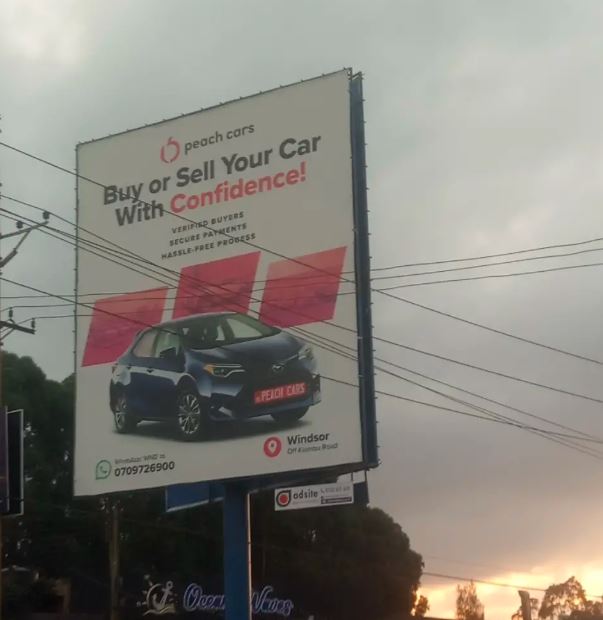
If you've ever searched for used cars for sale in Kenya, you've probably noticed something surprising. Two vehicles with the same year of manufacture, mileage, and model can have completely different prices.
For example, one 2018 Toyota Axio might be listed at KSh 1.35 million, while another appears for KSh 1.48 million.
Why?
The answer goes far beyond the vehicle itself. The final selling price is influenced by where the car is sold, who is selling it, the services included, and how the vehicle reached the market.
The Seller Matters
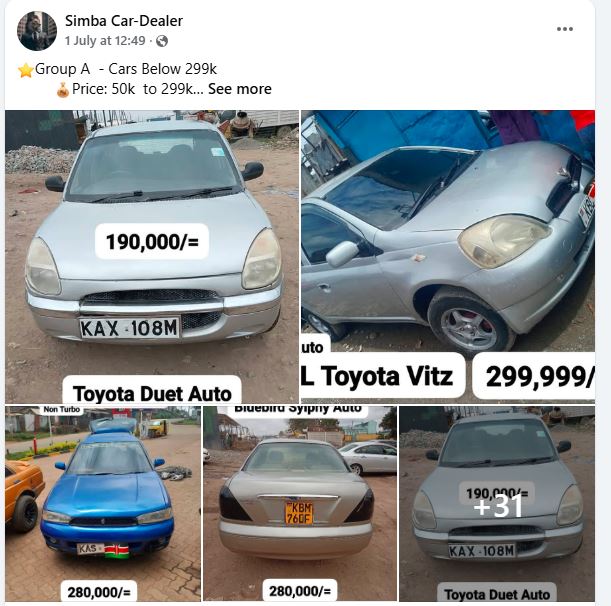
Buying directly from the owner is often different from buying through a dealer.
A private owner may be focused on selling quickly, while a dealership typically factors in business expenses, vehicle preparation, marketing, warranties, and profit.
Neither option is automatically better. Buyers should compare condition, documentation, and after-sales support rather than price alone.
Brokers Can Influence the Final Price
Vehicle brokers play a major role in Kenya's used car market.
Some brokers have strong networks with dealers and private sellers. They know where vehicles are available, negotiate on behalf of buyers, and help match sellers with serious customers.
In return, they usually earn a commission.
A broker who successfully sells many vehicles each month may rely on these commissions as their primary income, while also saving buyers time by locating suitable vehicles more quickly.
Location Can Affect Pricing
You may also notice price differences between dealerships in different parts of Nairobi.
Several factors may contribute, including:
- Business operating costs
- Showroom size
- Rent and overheads
- Target customer segment
- Vehicle preparation standards
- Financing options offered
- Warranty packages
- Brand reputation
These costs can influence the final asking price, even for similar vehicles.
Vehicle Condition Is Still King
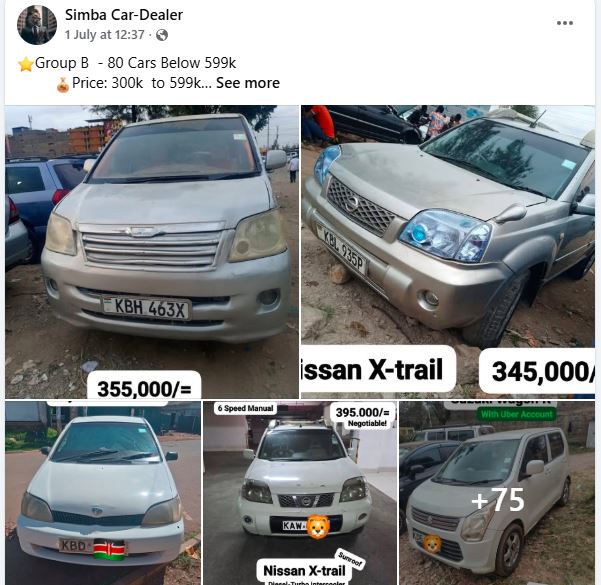
Price should always be considered alongside:
- Accident history
- Mileage
- Service records
- Engine condition
- Transmission
- Tyres
- Interior condition
- Previous ownership
A cheaper vehicle is not always the better purchase if it requires expensive repairs later.
Compare More Than the Price
Before making a decision, compare:
- Vehicle history
- Dealer reputation
- Included warranty
- Financing availability
- Spare parts availability
- Inspection reports
- Transfer documentation
The goal is to understand the total value, not simply the lowest price.
Frequently Asked Questions
Why are used cars cheaper when sold directly by owners?
Private sellers may not have the same operating costs as dealerships, although each vehicle should still be inspected carefully before purchase.
Do brokers increase the price?
Brokers normally earn a commission for helping buyers and sellers complete a transaction. In many cases they also save buyers time by identifying suitable vehicles and negotiating on their behalf.
Should I buy from a dealer or an individual?
It depends on your priorities. Dealerships may offer additional services such as financing, warranties, or trade-ins, while private sellers may sometimes offer lower prices.