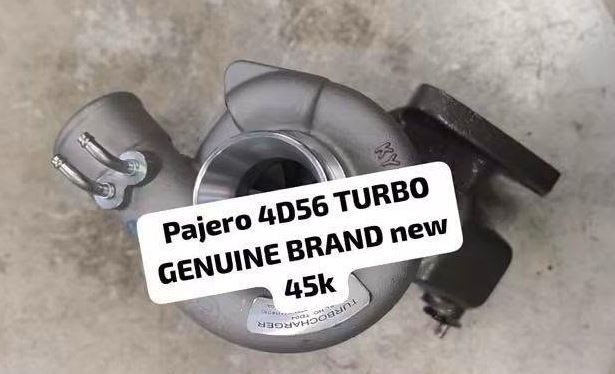
A turbocharger is one of the most important components in modern diesel and petrol engines. It increases engine power, improves fuel efficiency, and helps vehicles deliver more torque without increasing engine size.
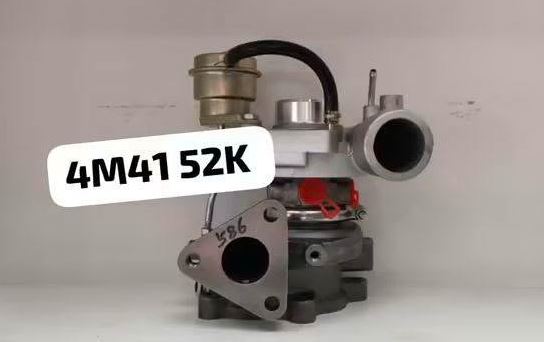
However, when a turbo fails, many vehicle owners are surprised by the replacement cost. Depending on the vehicle, a genuine turbocharger in Kenya can cost anywhere from KSh 45,000 for common models to well over KSh 200,000 for premium SUVs and commercial trucks.
Understanding how turbochargers work, recognizing the warning signs of failure, and buying the correct replacement can save you from costly engine damage.
What Does a Turbocharger Do?
A turbocharger uses energy from the engine's exhaust gases to spin a turbine, forcing more air into the combustion chamber.
More air means:
- More power
- Better acceleration
- Higher torque
- Improved fuel efficiency
- Better performance at high altitudes
This is why many modern diesel vehicles such as the Toyota Land Cruiser, Isuzu D-Max, Mitsubishi Pajero, Nissan Navara, Ford Ranger, and Mercedes-Benz commercial vehicles use turbocharged engines.
Common Turbocharger Prices in Kenya
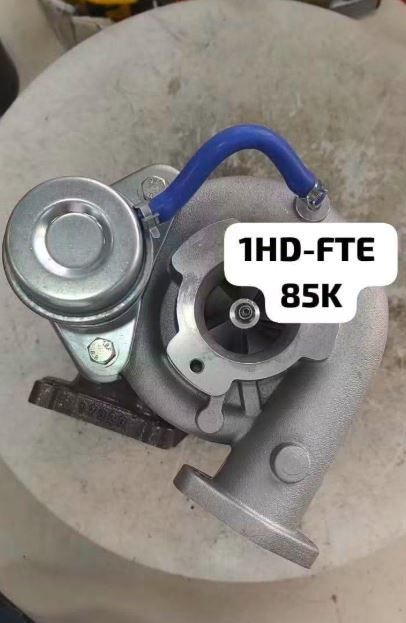
Based on current market listings, prices vary depending on the vehicle and whether the turbocharger is genuine or aftermarket.
| Vehicle | Estimated Turbo Price |
| Mitsubishi Pajero 4D56 | From KSh 45,000 |
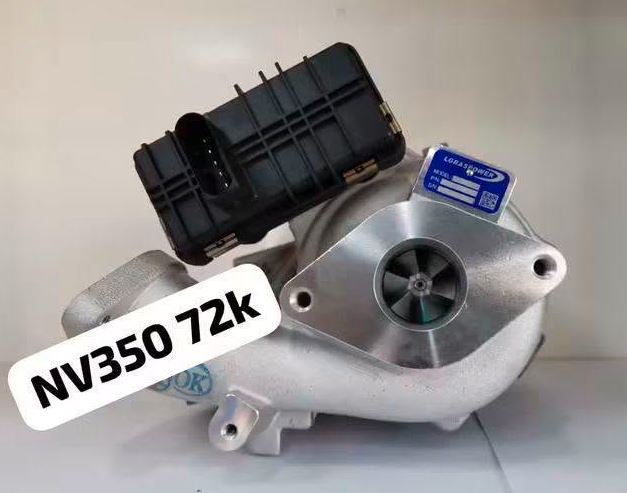
| Nissan NV350 | From KSh 72,000 |
| Toyota Land Cruiser 1HD-FTE | Varies by supplier |
| Toyota Land Cruiser 1HD-FTE | Around KSh 95,000 |
| Isuzu D-Max | Depends on model |
Signs Your Turbocharger Is Failing
A failing turbo usually gives several warning signs before complete failure.
Watch out for:
- Loss of engine power
- Excessive black smoke
- Blue smoke from the exhaust
- Whining or siren-like noise
- Poor acceleration
- Increased engine oil consumption
- Check Engine warning light
- Reduced fuel economy
Ignoring these symptoms can lead to expensive engine repairs if turbo fragments or oil contamination affect the engine.
Why Turbochargers Fail
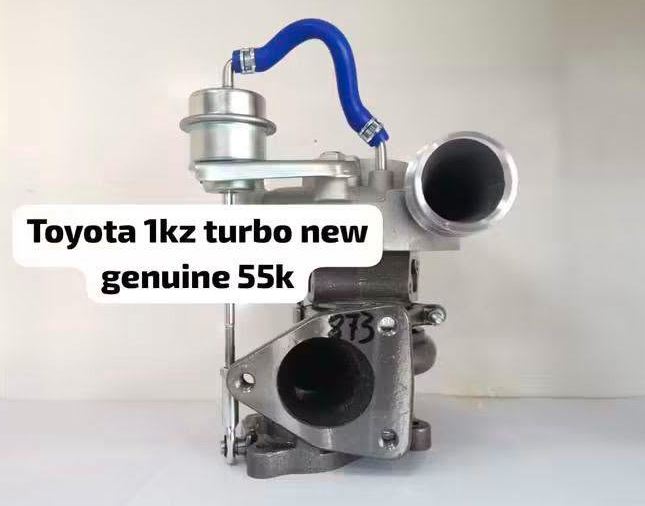
Several factors contribute to turbocharger failure.
Common causes include:
- Delayed oil changes
- Poor-quality engine oil
- Dirty air filters
- Foreign object damage
- Oil contamination
- Overheating
- Engine overspeed
- Improper installation
- Lack of lubrication after replacement
Regular servicing is one of the most effective ways to extend turbocharger life.
Is It Better to Repair or Replace a Turbo?
Minor issues, such as worn seals or bearings, can sometimes be repaired by a reputable turbo specialist. However, if the turbine or compressor wheel is damaged, or the housing has cracked, replacement is often the more reliable option. A qualified mechanic can inspect the turbo and advise whether rebuilding or replacing it offers better value.