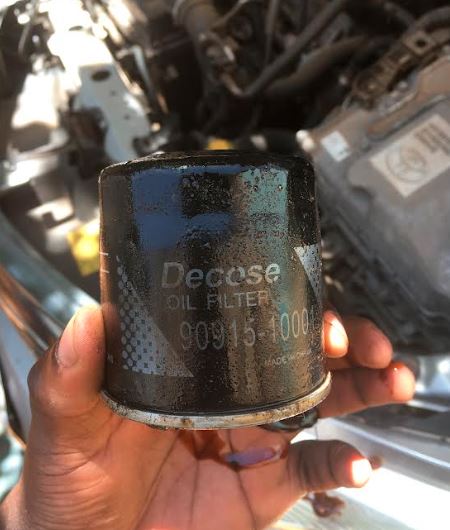
Maintaining your vehicle’s engine starts with one critical component — the oil filter.
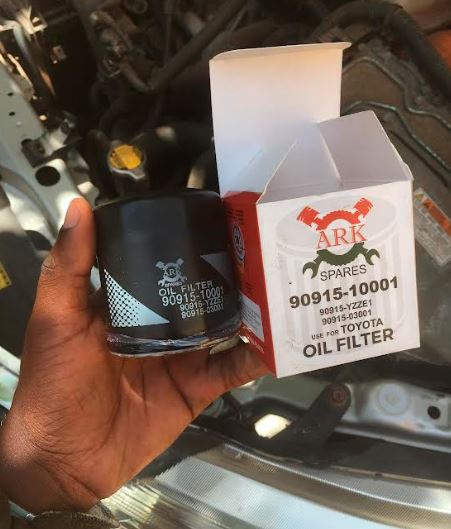
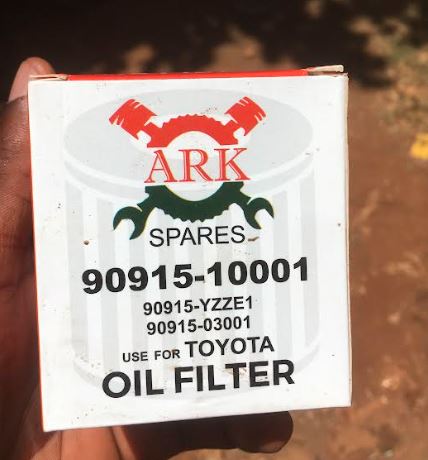
If you drive a Toyota, chances are you’ve come across part numbers 90915-10001 or 90915-YZZE1. These oil filters are widely used across multiple Toyota petrol engines and are among the most searched auto service parts globally.
But what makes this oil filter important? And how do you know you’re buying the right one?
Let’s break it down.
What Is the Function of an Oil Filter?
An oil filter removes:
-
Dirt
-
Metal particles
-
Carbon deposits
-
Sludge
from engine oil before it circulates through the engine.
Clean oil:
-
Reduces friction
-
Prevents engine wear
-
Improves fuel efficiency
-
Extends engine life
A poor-quality oil filter can cause:
-
Reduced oil pressure
-
Engine overheating
-
Premature wear
-
Costly engine damage
This is why choosing the correct filter matters.
Toyota Oil Filter 90915-10001 / 90915-YZZE1 Overview
This spin-on oil filter is commonly compatible with various Toyota petrol engines, especially smaller displacement models.
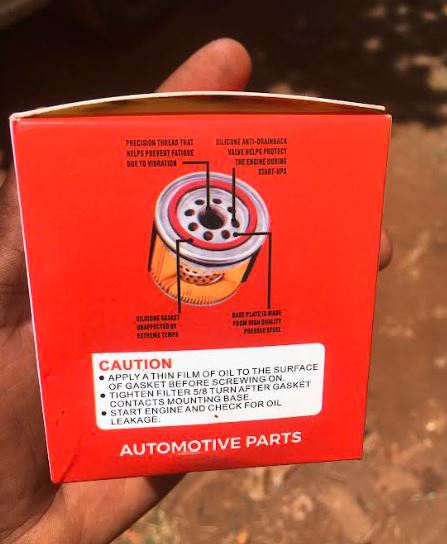
Key Features:
✔ Precision-threaded base plate
✔ Anti-drainback valve to prevent dry starts
✔ Durable steel casing
✔ High-efficiency filtration media
✔ Rubber sealing gasket for leak prevention
The anti-drainback valve is especially important — it ensures oil doesn’t drain out of the filter when the engine is off, protecting the engine during cold starts.
Which Vehicles Use This Oil Filter?
The 90915-10001 / 90915-YZZE1 filter is commonly found in several Toyota models depending on engine type.
Always confirm:
-
Engine code
-
Vehicle year
-
Chassis number
before purchasing.
Using the wrong filter can cause:
-
Improper sealing
-
Poor oil circulation
Genuine vs Aftermarket Oil Filters
When buying this oil filter, you may find:
-
OEM (Original Equipment Manufacturer)
-
High-quality aftermarket
-
Low-cost generic copies
While aftermarket filters can be reliable, extremely cheap versions often compromise on:
-
Filtration material
-
Valve quality
-
Structural durability
A failed oil filter is not just an inconvenience — it risks engine failure.
How Often Should You Change Your Oil Filter?
Most mechanics recommend changing your oil filter:
-
Every 5,000 to 10,000 km
-
Or with every oil change
Delaying replacement can lead to:
-
Clogged filtration
-
Reduced oil flow
-
Increased engine wear
Changing the oil but not the filter reduces the effectiveness of fresh oil.
How to Identify a Quality Oil Filter
When purchasing:
-
Check the part number clearly printed (90915-10001 / 90915-YZZE1)
-
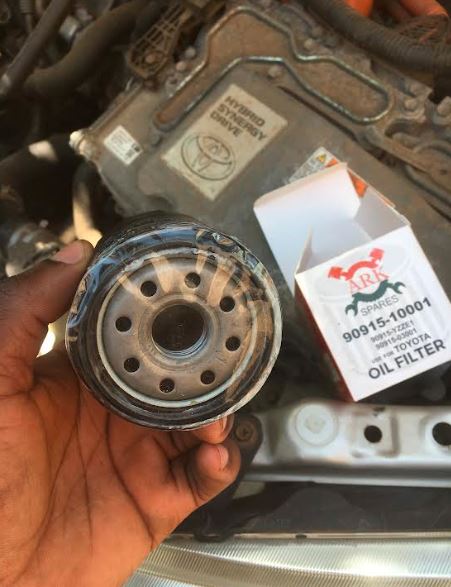
Inspect sealing gasket quality
-
Confirm proper threading
-
Avoid damaged or poorly printed packaging
-
Buy from trusted auto parts suppliers
Proper installation also matters:
-
Apply a thin film of oil to the gasket
-
Tighten according to manufacturer specification
-
Check for leaks after startup