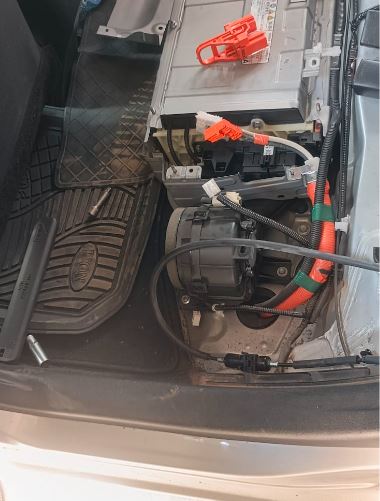
If you're planning to buy a Toyota Fielder Hybrid in Kenya, one question probably comes to mind:
How many kilometres does it actually travel on one litre of fuel?
The internet is full of manufacturer figures, but they don't always reflect what Kenyan drivers experience on our roads.
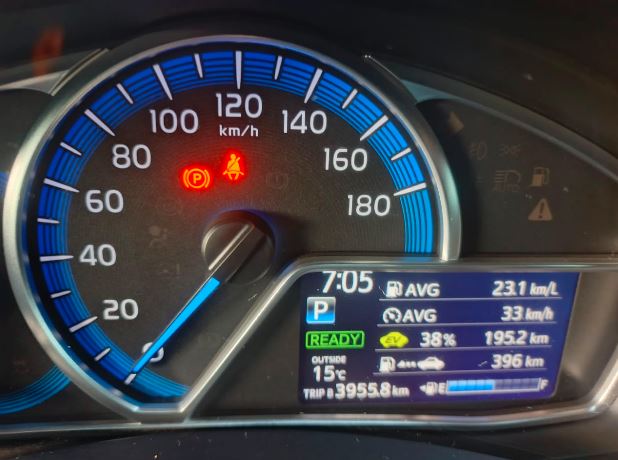
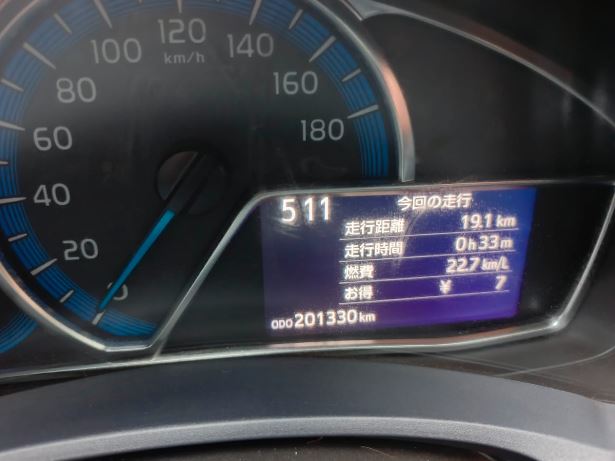
Across several dashboard readings taken during our ownership, our Toyota Fielder Hybrid averaged approximately 23.3 km/L in real Kenyan driving conditions.
In our family, we've owned a Toyota Fielder Hybrid that was purchased for approximately KSh 1.2 million, and one of the biggest reasons for choosing it was fuel economy. After using the vehicle regularly, we've learned that actual consumption depends on much more than what the brochure says.
Owner Tips
💡 Fuel in areas where prices are lower if your travel schedule allows.
🔋 Always have the hybrid battery tested before buying a used hybrid vehicle.
Why We Prefer Fueling in Nairobi
One interesting lesson my dad shared is where he buys fuel.
Whenever possible, he fills up in Nairobi before travelling because fuel prices are often around KSh 2 per litre cheaper than in some upcountry towns. While KSh 2 may sound insignificant, it adds up over dozens of litres throughout the year.
It's a simple habit that can reduce overall fuel expenses for drivers who travel frequently between Nairobi and other counties.
Our Monthly Fueling Routine
Instead of waiting until the tank is empty, my dad prefers topping up the vehicle gradually.
A typical month might look like this:
- Initial fill: 26 litres
- First top-up: 10 litres
- Second top-up: 10 litres
- Final top-up: 6 litres
This helps him monitor fuel usage more closely and estimate monthly operating costs.
Real Fuel Consumption
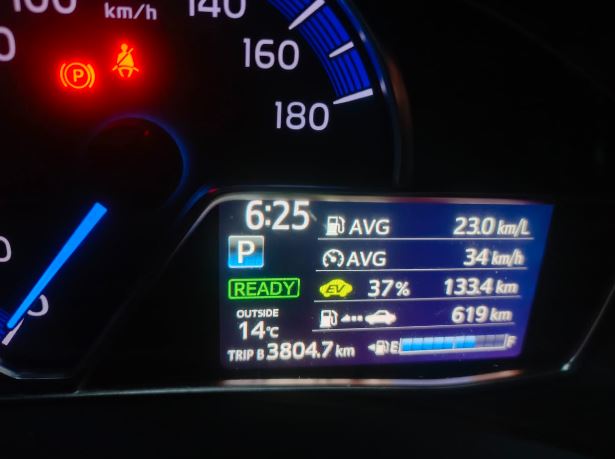
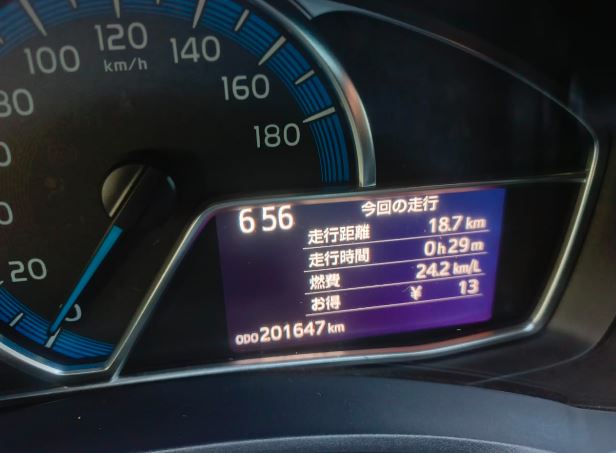
Our dashboard has recorded averages of around 24 km/L, which is still impressive for everyday Kenyan driving.
However, my dad believes the vehicle could perform even better.
After purchasing the car, he later discovered that some hybrid battery modules were no longer performing at full capacity. According to him, this likely contributed to slightly higher fuel consumption than expected.
His experience highlights an important lesson:
A hybrid battery's condition has a direct impact on fuel economy.
How Much Can a Healthy Toyota Fielder Hybrid Achieve?
From discussions with hybrid technicians and other owners, my dad believes that a well-maintained Toyota Fielder Hybrid with a healthy battery can achieve around 27 km/L in typical driving, while exceptionally efficient examples under favourable conditions may approach 33 km/L.
Actual results will vary depending on:
- Traffic conditions
- Battery health
- Tyre pressure
- Road terrain
- Vehicle maintenance
- Driving style
How Does It Compare With a Petrol Toyota Fielder?
For comparison, my dad estimates that a conventional petrol Toyota Fielder typically returns around 15 km/L during everyday driving.
On longer highway trips with smooth, steady speeds, fuel economy can improve significantly and may approach 20 km/L under favourable conditions.
While these figures are based on owner experience rather than controlled testing, they illustrate why many motorists consider hybrids for long-term fuel savings.
The Biggest Lesson We Learned
If my dad could give one piece of advice to anyone buying a used hybrid vehicle, it would be this:
Never buy a hybrid without having the battery professionally inspected.
Many buyers focus on:
- Engine condition
- Mileage
- Bodywork
- Interior
But they forget the most important component in a hybrid—the high-voltage battery.
A weak battery may still allow the vehicle to drive normally, yet it can reduce fuel economy and eventually require repair or replacement.
Spending money on a pre-purchase hybrid battery inspection can save you much more in the future.
Is the Toyota Fielder Hybrid Worth Buying?
Based on our family's experience, the answer is yes—provided you buy one with a healthy hybrid battery.
The Toyota Fielder Hybrid offers:
- Excellent fuel economy.
- Comfortable family transport.
- Reliable Toyota engineering.
- Good resale value.
- Lower fuel costs compared to many petrol-only station wagons.
Just remember that battery condition is one of the biggest factors affecting both performance and running costs.