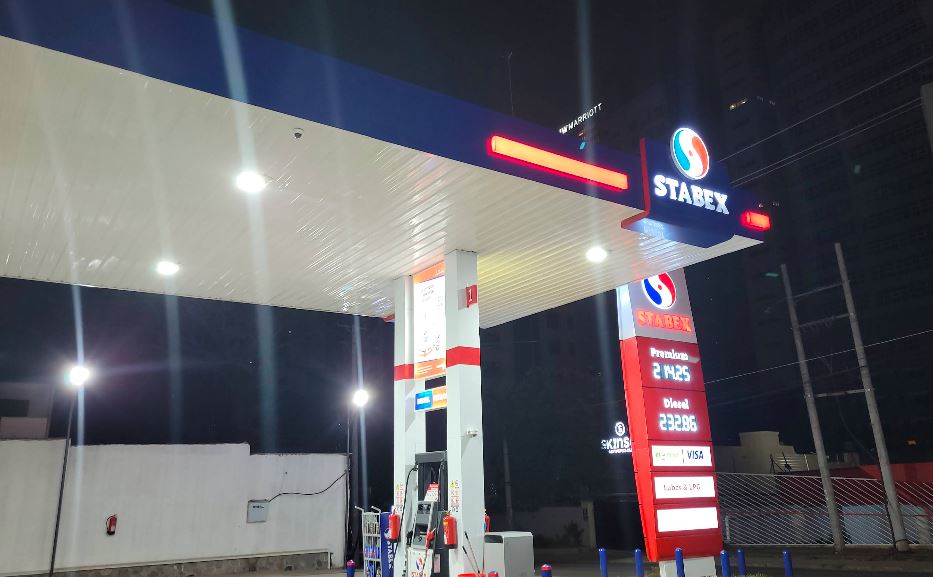
Image of Stabex Petrol station by Eddie Gaga
Kenya has more than 2,700 licensed retail fuel stations operated by major oil-marketing companies and independent dealers. While motorists frequently recognise brands such as Shell, TotalEnergies, Rubis, Stabex and Astrol, the company displayed on a station may differ from the legal business operating the network.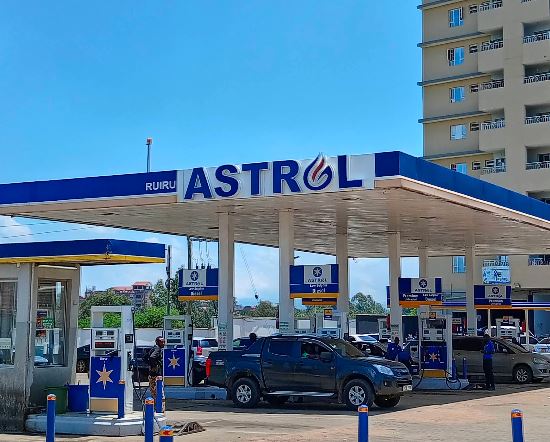
According to the latest available EPRA biannual petroleum statistics covering July–December 2025, Vivo Energy Kenya remained the country’s largest oil-marketing company. TotalEnergies moved into second position ahead of Rubis Energy.
This guide examines the leading petrol station companies in Kenya, their market shares, brands and services.
Top Petrol Station Companies in Kenya by Market Share
| Rank | Oil-marketing company | Main station brand | Market share |
| 1 | Vivo Energy Kenya Limited | Shell | 20.56% |
| 2 | TotalEnergies Marketing Kenya Plc | TotalEnergies | 14.01% |
| 3 | Rubis Energy Kenya Plc | Rubis, Kenol and Kobil | 13.77% |
| 4 | OLA Energy Kenya Limited | OLA Energy | 3.49% |
| 5 | Hass Petroleum Kenya Limited | Hass | 3.41% |
| 6 | Galana Energies Limited | Delta | 3.22% |
| 7 | Be Energy Limited | Be Energy | 3.17% |
| 8 | Stabex International Limited | Stabex | 2.49% |
| 9 | Vitalac International Limited | Various outlets | 2.46% |
| 10 | Kengas Kenya Limited | Various outlets | 2.33% |
1. Shell – Vivo Energy Kenya
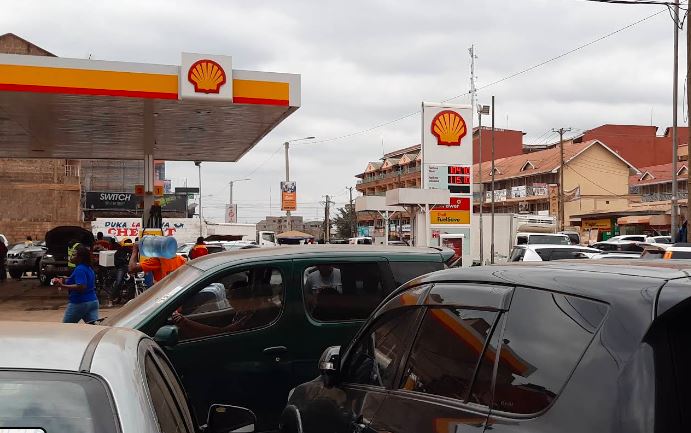
Image of Shell station taken by Edgar Mapesa
Shell service stations in Kenya are operated by Vivo Energy Kenya. Vivo Energy was the leading oil-marketing company in the latest EPRA data, with a market share of approximately 20.56%.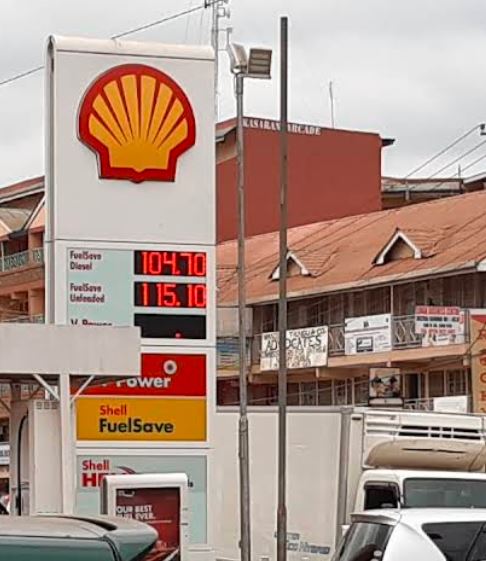
Image of Shell station taken by Edgar Mapesa back in July 2019
Shell stations sell petrol and diesel alongside products such as Shell lubricants and LPG. Depending on the location, a station may also provide a Shell Select convenience shop, restaurant, tyre-pressure services, car care or fleet-payment facilities.
Shell’s recognisable branding and presence on major highways make it a common choice for private motorists, bus operators, truck drivers and corporate fleets.
2. TotalEnergies Marketing Kenya
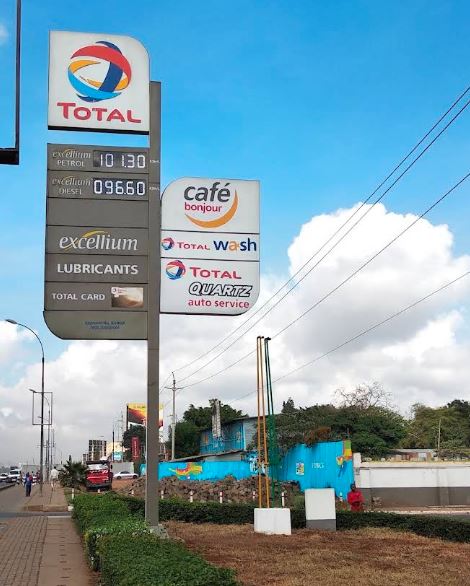
Image of Total Thika Road taken by Ouya Obunga back in 2019
TotalEnergies was Kenya’s second-largest petroleum marketer, holding approximately 14.01% of the market. The company reports operating a national network of more than 200 service stations.
Its stations provide petrol, diesel, lubricants and other motoring services. Selected outlets include Bonjour convenience shops, restaurants, car-wash services, tyre care and solar-energy products.
TotalEnergies also serves commercial and industrial customers requiring bulk petroleum products, lubricants and fleet-management solutions.
3. Rubis Energy Kenya
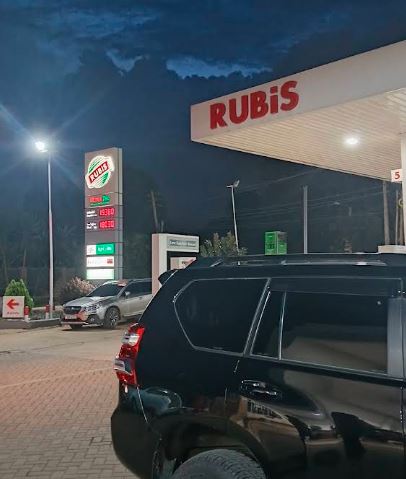
Image of Rubis Garden Estate by Lawrence Raul
Rubis Energy Kenya held approximately 13.77% of the market. The company operates close to 300 stations countrywide under Rubis and legacy Kenol and Kobil branding.
Its services can include fuel, Rubis lubricants, Rubis Gas or K-Gas distribution, convenience retail and fleet-payment solutions. The facilities available vary between stations.
Rubis entered the Kenyan market following its acquisition of KenolKobil. This explains why motorists may still encounter Kenol or Kobil names associated with parts of its network.
4. OLA Energy Kenya
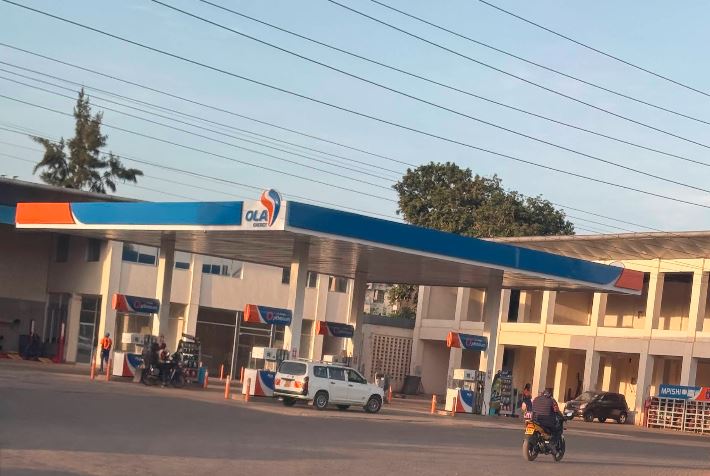
Image of OLA Petrol Station taken by Weru at Marurui
OLA Energy is a regional petroleum company with service stations in Kenya and other African markets. It accounted for approximately 3.49% of reported petroleum sales during the latest period.
The company supplies petrol, diesel and lubricants and serves individual motorists, transport operators and commercial customers. Some stations also include convenience shops and vehicle-care services.
5. Hass Petroleum Kenya
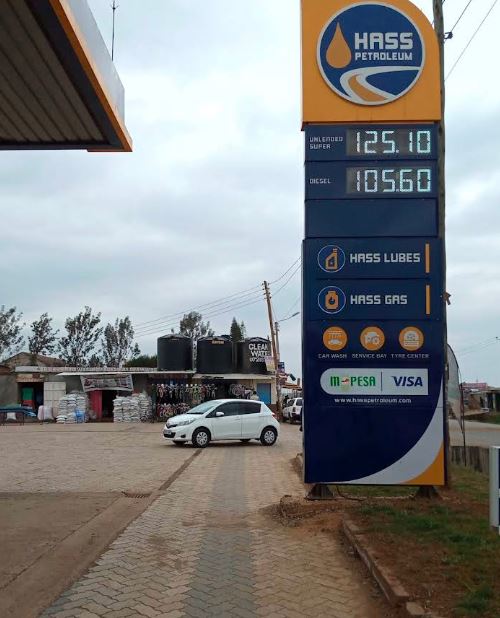
Image of Hass Petroleum Station taken by Felix Ombae on september 2021
Hass Petroleum is a Kenyan-founded petroleum company operating across East Africa. It held approximately 3.41% of Kenya’s petroleum market.
Its operations cover retail service stations, commercial fuel, lubricants, LPG, aviation fuel and petroleum distribution. Its regional footprint makes the company especially relevant to businesses involved in cross-border transport and logistics.
6. Galana Energies
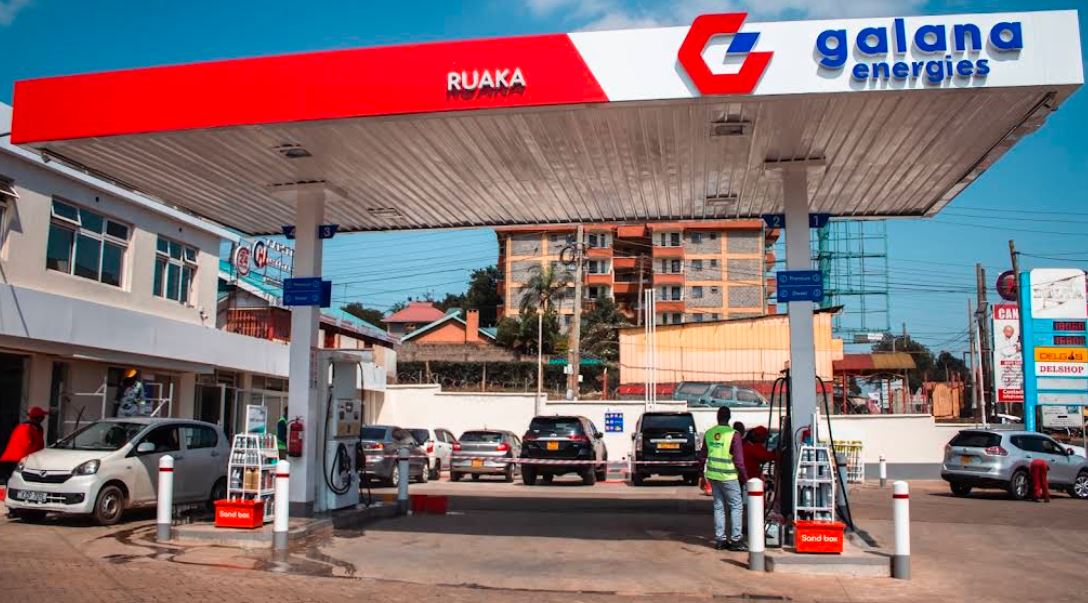
Galana Energies is associated with the Delta service-station brand in Kenya. It recorded an estimated market share of 3.22%.
The company participates in fuel importation, storage, distribution and retail. Delta stations serve motorists and commercial customers, while Galana also supplies petroleum products to businesses requiring bulk deliveries.
7. Be Energy
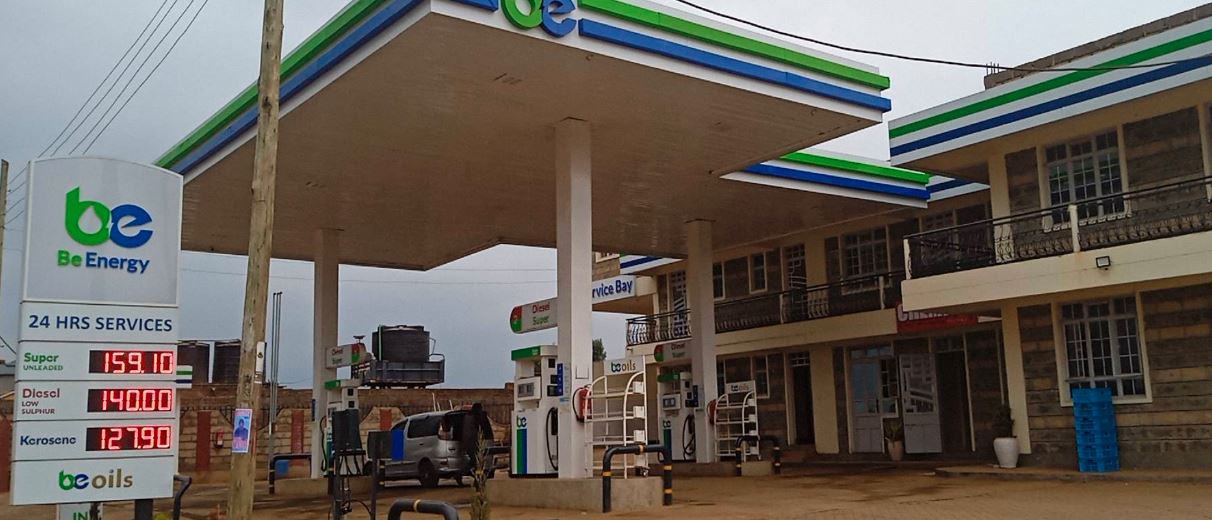
Image of a B Energy Station Gitaru by Mugwe Kinyanjui taken back in July 2022
Be Energy accounted for approximately 3.17% of the petroleum market. Its stations can be found in Nairobi and other parts of the country.
The company supplies petrol and diesel through its retail network and serves commercial customers. Station amenities depend on the size and location of the individual outlet.
8. Stabex International
Stabex International has expanded its branded petrol-station network in Kenya and other East African countries. It held approximately 2.49% of Kenya’s petroleum market in the latest reporting period.
Stabex supplies fuel through retail outlets and provides petroleum products to transport, construction, agriculture and other commercial sectors. Its expanding visibility has made “Stabex Kenya” a growing online search term.
9. Vitalac International
Vitalac International accounted for approximately 2.46% of reported petroleum sales. It is less recognisable to ordinary motorists than Shell, Rubis or TotalEnergies, but its sales place it among Kenya’s significant oil-marketing companies.
This illustrates an important distinction: a company can handle considerable petroleum volumes without operating one of the most visible consumer-facing petrol-station brands.
10. Kengas Kenya
Kengas Kenya held approximately 2.33% of Kenya’s petroleum market. Like several medium-sized marketers, it competes through petroleum supply and distribution rather than relying solely on a highly visible national retail brand.
Before purchasing fuel or entering a supply contract, customers should verify the company and individual outlet through EPRA’s petroleum licence registers.
What About Astrol, National Oil and Lake Oil?
Astrol Petroleum is a familiar and fast-growing retail name, especially in Nairobi and other urban centres. National Oil Corporation of Kenya operates under the National Oil brand, while Lake Oil maintains petroleum operations within Kenya and the wider East African region.
Other recognised participants include Gulf Energy, Tosha Petroleum, Petrocity, Lexo Energy and Oryx Energies.
Their exclusion from the table does not mean they are unlicensed or unsuitable. The ranking uses petroleum sales reported in the latest available EPRA market-share data—not online popularity, number of branches or customer preference.
Do All Petrol Stations Charge the Same Price?
Not necessarily. EPRA sets a maximum retail price for petrol, diesel and kerosene in every listed town. A station may sell below that ceiling, but it should not charge more than the EPRA maximum applicable to its location.
For the period from 15 August to 14 September 2026, EPRA’s maximum prices included:
| City | Petrol | Diesel | Kerosene |
| Mombasa | KSh210.87 | KSh214.58 | KSh188.09 |
| Nairobi | KSh214.03 | KSh217.86 | KSh191.38 |
| Nakuru | KSh212.92 | KSh217.27 | KSh190.81 |
| Eldoret | KSh213.69 | KSh218.09 | KSh191.63 |
| Kisumu | KSh213.69 | KSh218.08 | KSh191.63 |
The price differences largely reflect the cost of transporting and distributing fuel from designated supply points.
How to Confirm That a Petrol Station Is Licensed
EPRA maintains a register of companies licensed to retail petroleum products other than LPG. Before entering a bulk-fuel agreement or dealing with an unfamiliar outlet, verify:
- The registered company name
- The physical location of the station
- The licence category
- The licence number and validity
- Whether the supplier is authorised for retail, wholesale or both
- Whether payment instructions belong to the registered business
Motorists should report suspected fuel adulteration, pump manipulation or pricing above the approved maximum to EPRA.