Stock Management & Cash Flow in the Spare Parts Business: How to Sell Faster and Grow Sustainably
2026-02-08 01:38:19
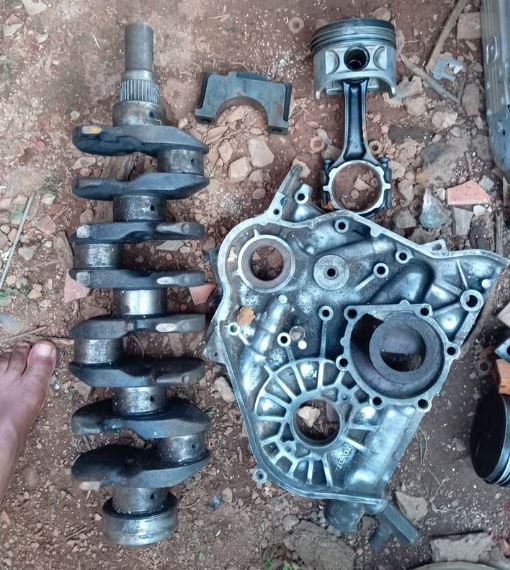
In the spare parts business, stock and cash flow are not just important — they are the business itself. Unlike service-based businesses where money sits in a bank account, capital in spare parts businesses lives on shelves, inside cartons, and in unsold inventory waiting to move
A shop can look busy, well-stocked, and popular, yet still struggle to pay rent, restock, or grow. The problem is rarely sales alone — it is usually cash trapped in the wrong stock.
Why Stock Movement Matters More Than Stock Quantity
Every unit of money in a spare parts business exists in only two forms: cash or stock. If stock doesn’t move, cash doesn’t flow. And when cash stops flowing, the business slowly stalls.
Many dealers make the mistake of buying parts based on assumptions, supplier pressure, or the promise of high margins. The result is shelves full of slow-moving items while fast-moving service parts constantly run out. This imbalance quietly suffocates the business
Fast-Moving vs Slow-Moving Spare Parts
Not all spare parts contribute equally to business survival.
Fast-moving parts — such as filters, brake pads, spark plugs, belts, and engine oil — sell daily or weekly. While margins per item may be lower, these parts generate consistent cash flow that pays rent, wages, and supplier bills.
Slow-moving parts — such as sensors, control units, gearboxes, or rare components — may offer higher margins but tie up large amounts of cash for long periods. When overstocked, they freeze capital and create cash shortages.
Successful spare parts businesses prioritize speed of sales over size of margin.
How Poor Stock Decisions Kill Cash Flow
Buying slow-moving parts “just in case,” stocking too many vehicle models at once, or chasing discounts without sales history are common traps. Money locked in stock that sells once every few months cannot be used to restock daily sellers, handle emergencies, or take advantage of real opportunities.
In contrast, rotating the same capital through fast-moving items multiple times produces more sales, more profit, and stronger customer loyalty over time
Smart Stock Control Strategies
Profitable spare parts dealers treat stock as cash in physical form. They track what sells frequently, limit quantities of slow movers, and restock based on demand — not hope.
Using simple sales records, even a basic notebook, helps identify:
Items that sell daily or weekly
Parts that haven’t moved in 30–60 days
Stock that should be reduced or cleared