Spare Parts Pricing Strategy: How to Set Prices That Attract Customers and Protect Profits
2026-02-02 17:21:49
Why Pricing Is the Most Powerful Tool in Your Spare Parts Business
In the spare parts industry, pricing is not just about numbers on a shelf. A small change in price can decide whether a customer buys, walks away, or becomes loyal for life. Price too high and customers feel exploited. Price too low and you sell fast but struggle to survive.
The goal is not to be the cheapest — it is to be trusted at a fair price
Step 1: Know Your True Cost (Not Just the Buying Price)
Before setting any selling price, you must understand the true cost of each item. This is not only what you pay the supplier.
Your real cost includes:
Purchase price
Transport and delivery
Losses from damage, theft, or returns
Operating expenses like rent, utilities, and licenses (spread across all items)
If you cannot explain why your price is what it is, then you are not pricing — you are guessing. And guessing leads to losses.
Step 2: Use Tiered Pricing
Not all parts sell at the same speed, so they should not carry the same margin.
Fast Movers → Lower Margin, Higher Speed
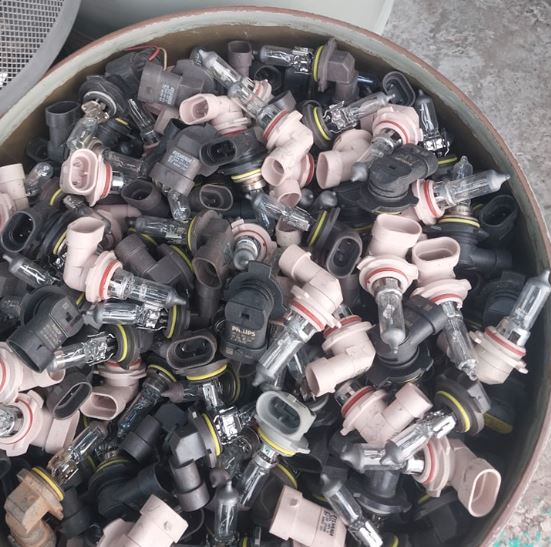
Examples include filters, bulbs, brake pads, cables, and spark plugs.
These items bring daily customers and keep cash flowing.
Slow Movers → Higher Margin, More Patience
Rare or model-specific parts can sit for months. When they sell, the price must justify the wait.
Simple rule:
Fast movers bring customers.
Slow movers bring profit.
Step 3: Match Prices to Your Location
Pricing must reflect your environment.
High-traffic areas: competitive pricing and high turnover
Low-competition areas: slightly higher margins based on convenience
Near garages: flexible pricing to build mechanic relationships
Busy areas need volume. Quiet areas need margin.
Step 4: Work With Mechanics, Not Against Them
Mechanics often decide where customers buy parts. Treat them as partners:
Offer small discounts or commissions
Be reliable and consistent
Ask which parts they need regularly. A trusted mechanic can send you customers every day.
Step 5: Avoid Price Wars
Competing only on low prices destroys margins, attracts disloyal customers, and harms long-term growth.
Instead, compete on:
Availability
Genuine parts
Speed of service
Consistent, fair pricing
Many customers will pay slightly more for reliability.
Step 6: Be Flexible, Not Desperate
Build a small negotiation buffer. Offer discounts for:
Bulk buyers
Loyal customers
Slow-moving stock
But never sell below cost or panic-discount.
Step 7: Stay Consistent
Stable prices build trust.
Explain changes when needed.
Never exploit shortages.