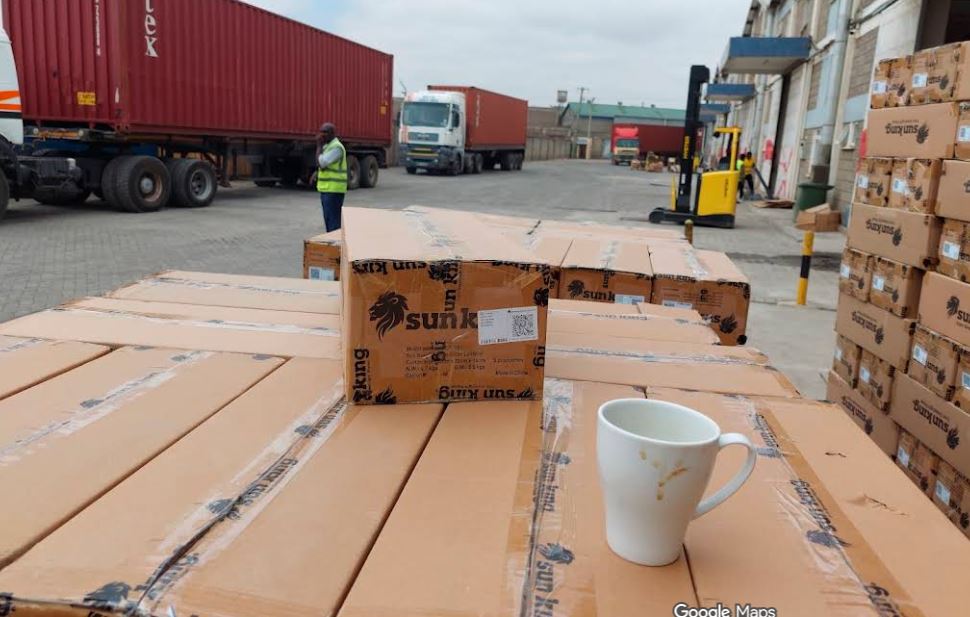
Everything You Need to Know Before Importing or Exporting
Whether you're importing a car from Japan, buying machinery from China, exporting coffee to Europe, or sending goods across East Africa, shipping is one of the most important parts of the supply chain.
Choosing the wrong shipping method can increase costs, delay delivery, or even damage your cargo. Understanding how shipping works helps businesses and individuals make informed decisions.
Kenya is East Africa's logistics hub, with the Port of Mombasa serving as one of Africa's busiest ports and Jomo Kenyatta International Airport (JKIA) handling international air cargo. From these gateways, goods are distributed across Kenya and neighboring countries including Uganda, Tanzania, Rwanda, Burundi, South Sudan, Ethiopia, Zambia, and the Democratic Republic of Congo.
What Is Shipping?

2022 Isuzu NQR Open Body for Sale in Kenya – Price, Specifications & Financing Available
Shipping is the movement of goods from one location to another.
This may involve:
- Sea freight
- Air freight
- Road transport
- Rail transport
- Multimodal transport (using more than one transport mode)
Depending on the shipment, goods may also require customs clearance, warehousing, insurance, and last-mile delivery before reaching the final customer.
John Deere 2130 Tractor for Sale in Kenya (2026): Price, Specs & Buying Guide
Types of Shipping in Kenya
1. Sea Freight
Sea freight is the most economical option for transporting heavy or bulky cargo internationally.
It is commonly used for:
- Imported vehicles
- Construction equipment
- Containers
- Building materials
- Industrial machinery
Sea freight takes longer than air transport but offers significantly lower costs for large shipments.
2. Air Freight
Air freight is the fastest shipping method.
It is ideal for:
- Medical supplies
- Electronics
- Urgent spare parts
- High-value goods
- Perishable products
Although more expensive, air freight greatly reduces delivery time.
Combined Electric and Diesel Posho Mill Grade 2 in Kenya – Dual Power Maize Milling Machine
3. Road Freight
Road transport connects Kenya with neighboring countries and delivers cargo from ports, airports, and warehouses to customers.
Road freight is commonly used for:
- Local deliveries
- Cross-border trade
- Retail distribution
- Construction materials
- Agricultural products
Modern logistics companies use GPS tracking and fleet management systems to monitor deliveries in real time.
4. Rail Freight
Rail transport provides a cost-effective solution for moving large cargo volumes over long distances.
It is often used alongside road transport to improve efficiency and reduce logistics costs.
Isuzu FRR 90 Truck for Sale in Kenya – Open & Closed Body (KSh 6.3M)
What Happens During Shipping?
A typical shipping process includes:
- Booking the shipment
- Packaging the goods
- Export customs clearance
- Loading onto the ship, aircraft, or truck
- International transportation
- Import customs clearance
- Warehousing (if required)
- Final delivery to the customer
Understanding each step helps businesses plan for costs and avoid delays.
Why Warehousing Matters
Not every shipment is delivered immediately after arriving in Kenya.
Warehouses provide secure storage while cargo awaits customs clearance or final delivery.
Modern warehouses often use Warehouse Management Systems (WMS) to track inventory, manage stock levels, and improve accuracy. Siginon, for example, operates warehousing facilities in Nairobi and Mombasa with inventory management systems and both bonded and general warehousing.
How to Choose the Right Shipping Method
The best shipping option depends on:
- Delivery speed
- Cargo size
- Budget
- Destination
- Nature of the goods
- Customs requirements
For urgent shipments, air freight is usually the preferred choice. For heavy machinery, vehicles, or containerized cargo, sea freight is often the most economical solution.
30 Ton Excavator Rock Breaker for Sale in Kenya – Heavy Duty Hydraulic Hammer at KSh 650,000
Why Professional Logistics Companies Matter
International shipping involves much more than moving cargo.
A professional logistics partner can assist with:
- Customs clearance
- Freight forwarding
- Cargo tracking
- Warehousing
- Insurance coordination
- Cross-border transport
- Documentation
Working with an experienced logistics provider reduces delays, minimizes compliance issues, and gives businesses greater visibility throughout the shipping process.
🚛 Looking for a driving job? Join the Monolith Africa Driver Database and let transport companies discover your skills. Register today.