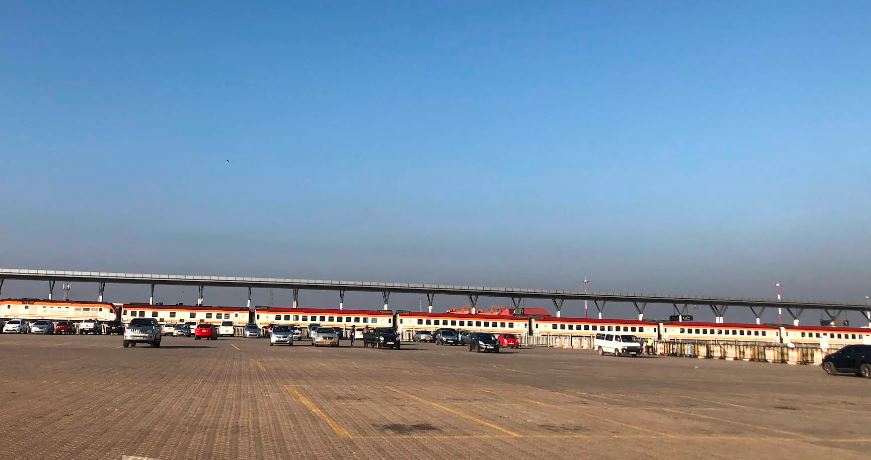
Rail Freight in Kenya Is Bigger Than It Looks
Rail transport in Kenya often gets less attention than roads or ports, yet rail freight volumes now run into the millions of tonnes annually. According to KNBS 2024 data, rail freight has grown significantly over the past decade, driven largely by the Standard Gauge Railway (SGR).
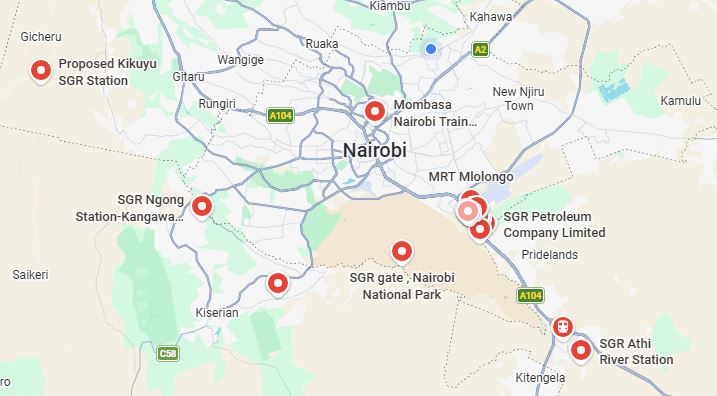
What looks quiet on the surface is, in reality, heavy industrial movement happening at scale.
🚆 SGR Freight Volumes (Annual)
These figures reflect cargo tonnage moved via the Standard Gauge Railway — a key freight corridor from Mombasa to Nairobi and beyond:
| 2022 freight traffic (SGR) | approx. 6,090,000 tonnes |
| 2023 freight traffic (SGR) | approx. 6,530,000 tonnes |
| 2024 freight traffic (SGR) | approx. 6,531,000 tonnes |
The Numbers: Millions of Tonnes by Rail
Official railway traffic data shows that:
-
Rail freight volumes are measured in millions of tonnes per year
-
Freight traffic increased sharply after the introduction of the SGR
-
Cargo volumes remained consistently high through 2021–2023
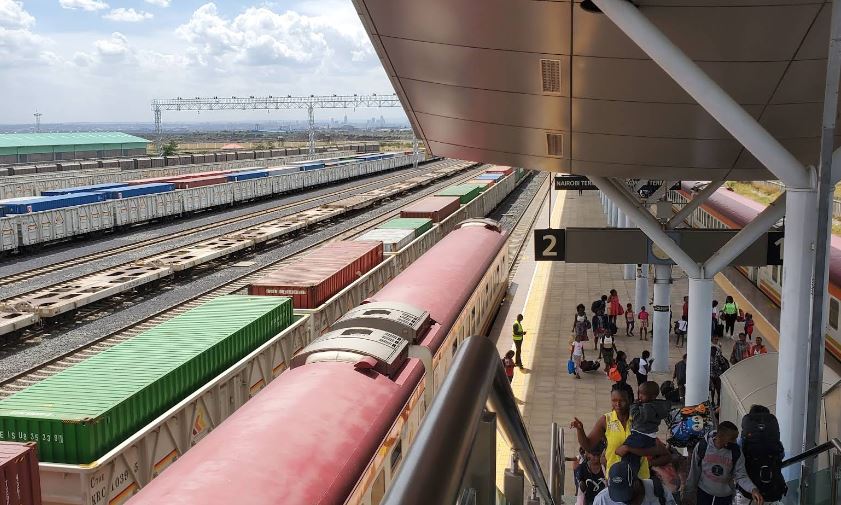
These figures include:
-
Containerized imports from Mombasa
-
Fuel and petroleum products
-
Cement, clinker, and construction materials
-
Agricultural and industrial cargo
The SGR Changed the Game
Before the SGR, rail freight volumes were modest and declining. After commissioning:
-
Freight capacity expanded dramatically
-
Long-haul cargo shifted from road to rail
-
Mombasa–Nairobi became a high-volume freight corridor
Rail Lines Open for Traffic
Kenya’s railway network currently spans hundreds of kilometres of active rail lines, with:
-
Standard Gauge Railway (SGR)
-
Meter Gauge Railway (MGR) sections still operational
The expansion of rail infrastructure directly correlates with increased cargo volumes and improved freight efficiency.
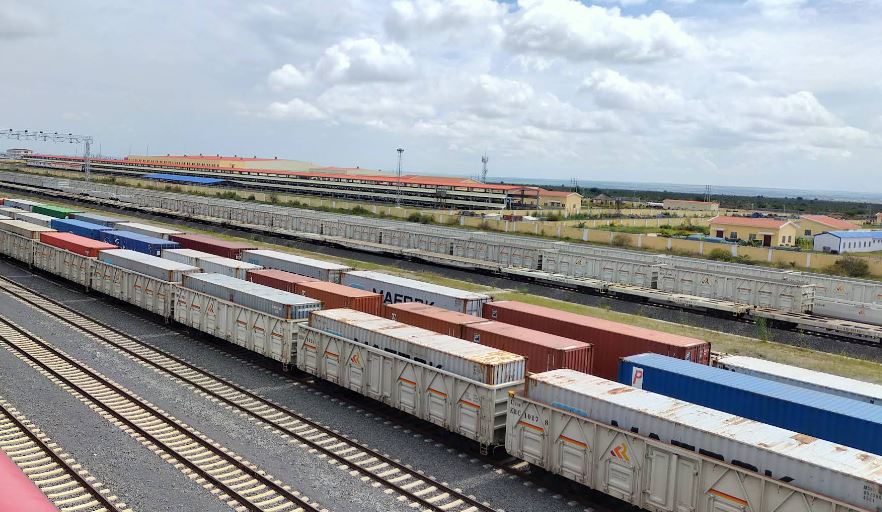
Earnings from Railway Freight: Billions of Shillings
Railway traffic generates billions of shillings in annual earnings, reflecting:
-
High-value cargo movement
-
Long-distance haulage efficiency
-
Reduced cost per tonne compared to road transport
Why Rail Freight Matters Economically
Moving millions of tonnes by rail:
-
Reduces pressure on highways
-
Lowers logistics costs for bulk cargo
-
Cuts fuel consumption and emissions
-
Extends the lifespan of road infrastructure
For heavy cargo, rail is not optional — it is the only efficient option.
Rail, Road, and Port Are One System
Rail freight does not compete with Mombasa Port or road transport — it complements them:
-
Cargo enters via Mombasa Port
-
Moves inland by rail
-
Is distributed regionally by road
This integrated system is why Kenya remains the logistics hub of East Africa.