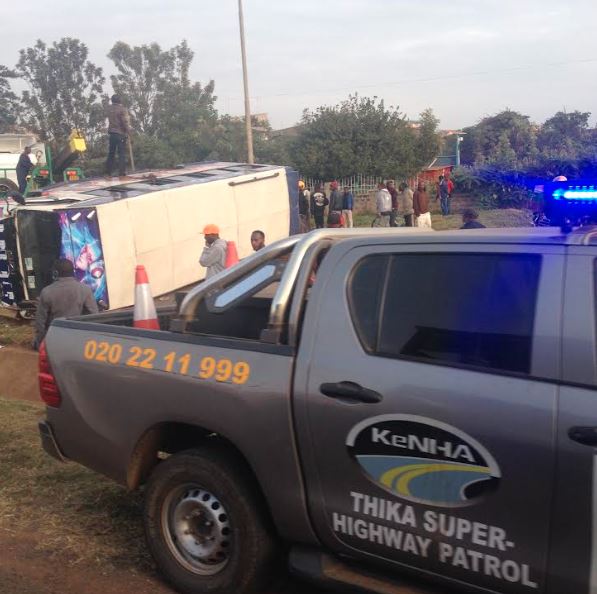
Road safety training in Kenya is becoming increasingly important for companies operating trucks, buses, vans, taxis, delivery vehicles and other commercial fleets.
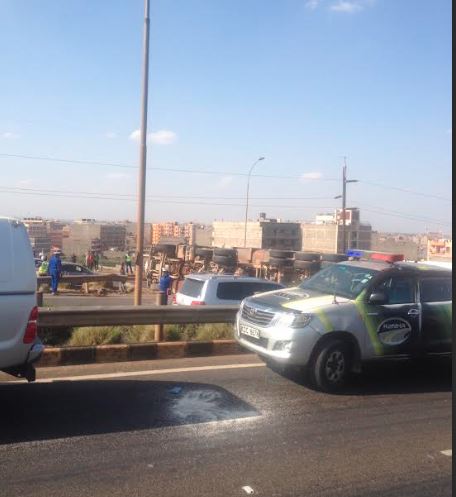
While vehicle maintenance, insurance and driver licensing are essential, preventing accidents requires more than ensuring a vehicle is roadworthy. Companies also need to understand driver behaviour, operational risks, safety procedures and why incidents keep occurring.
This is where structured road safety training, fleet safety management and root cause analysis can play an important role.
What Is Road Safety Training?
Road safety training is a structured programme designed to improve how drivers and organizations identify and manage risks on the road.
Training can cover areas such as:
- Defensive driving
- Hazard identification
- Driver behaviour
- Fatigue management
- Speed management
- Journey planning
- Vehicle inspection
- Emergency procedures
- Accident reporting
- Safety policies and procedures
For commercial fleets, the objective shouldn't simply be teaching employees how to drive.
A strong programme creates a safety culture throughout the organization, from drivers and supervisors to fleet managers and senior management.
Road Safety Training for Companies in Kenya
Businesses operating fleets face risks that ordinary motorists may not encounter at the same scale.A logistics company operating 50 trucks, for example, could have vehicles travelling thousands of kilometres every week.One serious accident can result in vehicle damage, cargo losses, injuries, insurance claims, operational downtime and reputational damage.Companies can therefore use fleet safety programmes to identify risky behaviour before it develops into a serious incident.
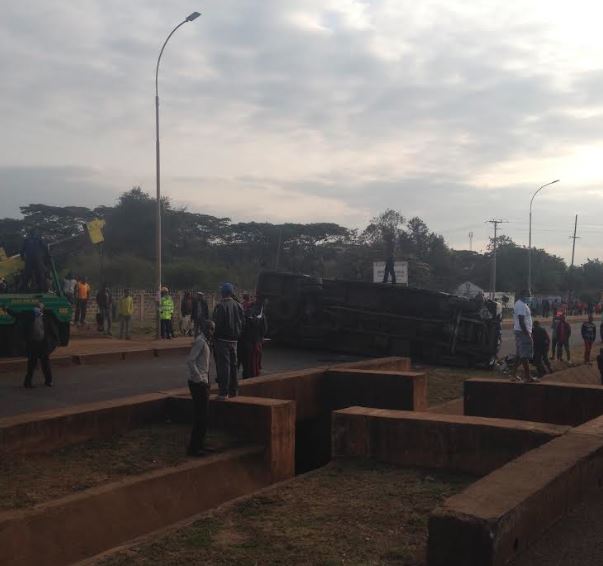
Industries that may particularly benefit include:
| Industry |
Common Safety Concern |
| Trucking & Logistics | Fatigue, speeding, long-distance driving |
| Construction | Heavy equipment and vehicle interaction |
| PSV Operators | Passenger and driver safety |
| Delivery Companies | Time pressure and frequent road exposure |
| Manufacturing | Fleet and workplace transport risks |
| Tour Companies | Passenger safety and long-distance journeys |
| Oil & Gas | Transporting hazardous or sensitive cargo |
What Is Root Cause Analysis in Road Safety?
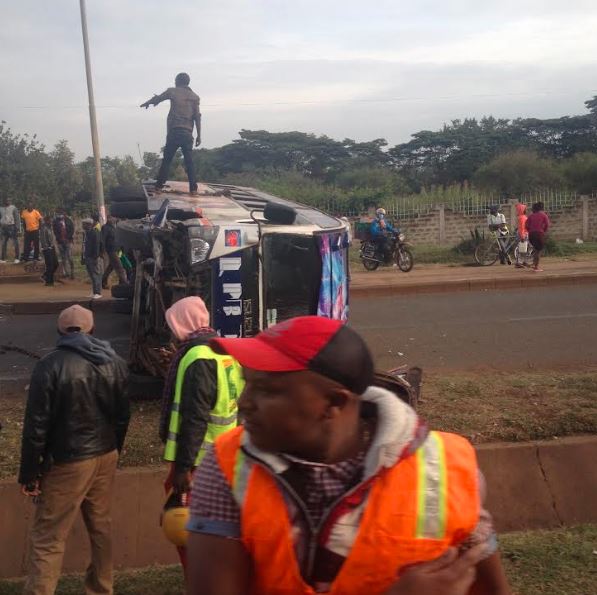
After an accident, it can be tempting to conclude that “the driver made a mistake.”But that doesn't necessarily explain why the accident happened.Root cause analysis investigates deeper contributing factors.For example, an investigation could find that a driver was fatigued.The next question becomes:
Why was the driver fatigued?
Perhaps the journey schedule was unrealistic.
Why was the schedule unrealistic?
Perhaps the company did not have an effective journey-management or fatigue-management system.
Root cause analysis therefore moves beyond identifying who made the mistake toward understanding what conditions allowed the mistake or incident to occur.
From Accident Investigation to Accident Prevention
The greatest value of analysing accidents and near misses is using the findings to prevent similar incidents.
A structured process might look like:
Incident → Investigation → Root Cause → Corrective Action → Training → Monitoring
For example, if several company vehicles repeatedly experience similar accidents, management shouldn't necessarily treat every accident as an isolated event.There could be a common underlying problem involving driver training, route selection, maintenance, supervision, working hours or company safety procedures.
What Is a Fleet Safety Management System?
A fleet safety management system provides a structured approach for continuously managing transport risks.
Depending on the organization, this may incorporate:
Driver assessment → Risk identification → Safety procedures → Training → Incident reporting → Root cause analysis → Corrective action → Continuous improvement
Technology can strengthen this further.
GPS tracking, telematics, driver scoring and fleet-management systems can identify behaviours such as excessive speeding, harsh braking, rapid acceleration and unusual driving patterns.
However, collecting data alone doesn't improve safety.
Companies must turn that information into training and corrective actions.
Safety Governance: Why Management Matters
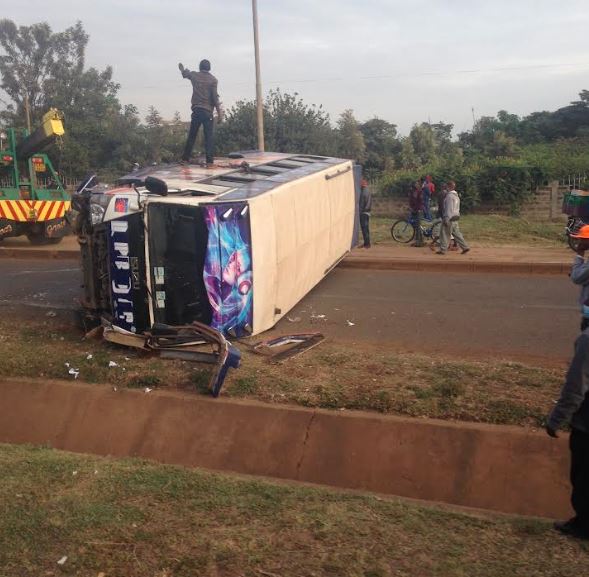
Road safety shouldn't only be the driver's responsibility.Management decisions can influence how drivers behave.
For example, unrealistic delivery deadlines could indirectly encourage speeding. Poor scheduling could contribute to fatigue, while inadequate maintenance budgets could increase mechanical risks.
An effective safety-management framework therefore establishes responsibilities across the organization.
Drivers, supervisors, fleet managers and senior management should understand their respective roles in preventing incidents.
Road Safety and Fleet Safety Experts in Kenya
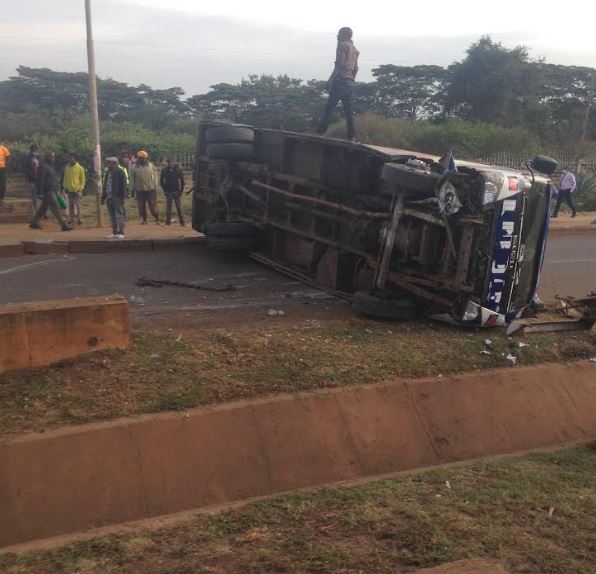
Kenya also has professionals developing specialized approaches to road and organizational safety.
Constantine Ofunya, a root cause analyst and safety-management-system development specialist, has approached Monolith Africa regarding a structured safety-governance framework intended to support road users through iterative safety training and systematic risk management.
The proposed approach focuses on identifying risks, implementing control measures and developing systems aimed at mitigating incidents and accidents.
How Much Does Road Safety Training Cost in Kenya?
The cost can depend on:
- Number of drivers
- Training duration
- Location
- Type of vehicles
- Level of risk assessment required
- Whether practical driver assessment is included
- Fleet size
- Whether root cause analysis or consulting is required
- Whether ongoing monitoring is included
For larger fleets, companies may require a customized quotation rather than a standard per-person training fee.
🚛 Make Your Fleet Safer Before the Next Incident
Need road safety training, fleet risk assessment or root cause analysis? Contact Constantine Ofunya for professional support.
📞 +254 759 057 674
📧 hsesafetysolutions@gmail.com
⭐ Mention “MONOLITH AFRICA” when contacting him for priority assistance.