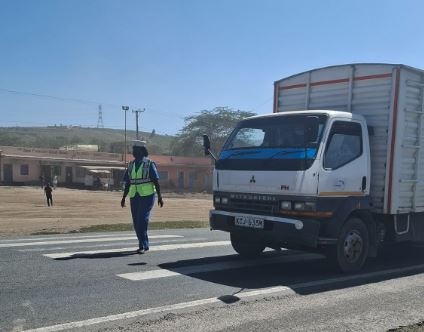
NTSA Commercial Vehicle Rules 2026: What Fleet Owners and Transporters Must Know
Kenya’s transport industry is entering a stricter compliance era.
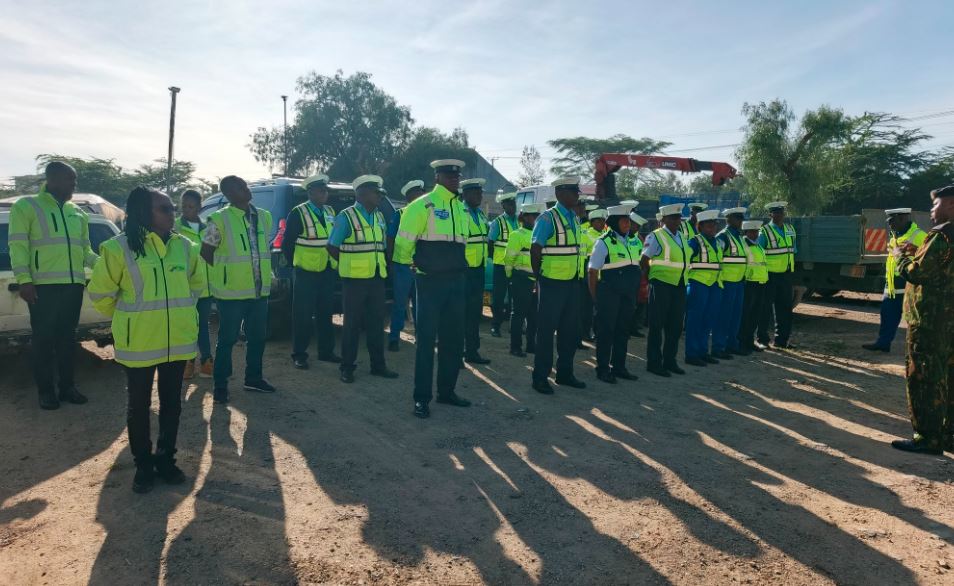
The National Transport and Safety Authority (NTSA) has introduced the Operation of Commercial Service Vehicles Regulations, 2025, creating a new legal framework for trucks, trailers, logistics operators, and heavy commercial vehicles operating on Kenyan roads.
For transport companies, fleet owners, contractors, logistics firms, and truck operators, these regulations are no longer just government paperwork. They directly affect vehicle licensing, inspections, cargo handling, driver management, telematics systems, maintenance schedules, and overall fleet operations.
The new rules are expected to reshape how commercial transport businesses operate in Kenya, especially as NTSA pushes for safer roads, digital monitoring, and stricter accountability across the transport sector.
For serious fleet operators, compliance is quickly becoming a business survival issue rather than just a legal requirement.
Whether you have goods to move or a truck returning empty , we will help connect transport demand with available capacity
What Are the New NTSA Commercial Vehicle Regulations?

The NTSA Commercial Service Vehicle Regulations 2025 introduce stricter operational standards for commercial vehicles operating on Kenyan roads.
The rules focus heavily on:
- Fleet accountability
- Driver responsibility
- Vehicle safety
- Cargo security
- Digital fleet monitoring
- Licensing compliance
- Preventive maintenance
- Road safety enforcement
Unlike older transport rules that focused mainly on traffic offences, the new regulations place direct responsibility on fleet owners, operators, and transport companies.
This means businesses can now face penalties even when violations are committed by drivers or poorly maintained vehicles.
Excavator for Hire in Kenya (2026 Price Guide) – Hourly, Daily & Monthly Rates
Which Vehicles Are Affected?
The regulations apply to commercial service vehicles with a tare weight above 3,048 kilograms operating on public roads in Kenya.
Affected vehicles include:
- Trucks
- Lorries
- Prime movers
- Trailers
- Articulated trucks
- Cargo transport vehicles
- Construction transport vehicles
- Logistics fleet vehicles
Private passenger vehicles are generally not affected under these regulations unless used commercially within the regulated category.
Whether you have goods to move or a truck returning empty , we will help connect transport demand with available capacity
NTSA Commercial Vehicle Rules 2026 Summary
| Requirement | Status |
| Commercial Operator Licence | Mandatory |
| Vehicle Inspection Certificate | Mandatory |
| Insurance Cover | Mandatory |
| Approved Speed Limiter | Mandatory |
| Vehicle Telematics System | Mandatory |
| Fire Extinguisher | Mandatory |
| First Aid Kit | Mandatory |
| Retro-Reflective Markings | Mandatory |
| Cargo Securing | Mandatory |
| Maintenance Records | Required |
| Accident Reporting | Within 24 Hours |
New NTSA Operator Licence Requirements

Under the new regulations, owning a truck alone is no longer enough.
Commercial vehicle operators must now obtain a Commercial Service Vehicle Operator Licence issued annually by NTSA.
This licence applies to:
- Fleet owners
- Logistics companies
- Cargo transport operators
- Commercial transport businesses
- Companies operating regulated heavy vehicles
Isuzu NQR 33 Seater Bus Price in Kenya (2026) – Specs & Financing
Operators must also demonstrate proper operational systems and compliance standards before approval.
This move shifts accountability from drivers alone to the actual businesses operating commercial fleets.
Fleet Maintenance Record Requirements

One of the biggest changes introduced by NTSA is the requirement for detailed maintenance documentation.
Fleet operators must now maintain:
- Vehicle service records
- Repair records
- Inspection reports
- Driver assignment records
- Compliance documentation
These records must be stored for at least two years.
This regulation is expected to increase demand for:
- Fleet management software
- Workshop management systems
- Preventive maintenance services
- Professional fleet audits
For transport companies still relying on manual paperwork, this may require major operational changes.
Mandatory Truck Safety Features in Kenya
The new NTSA rules introduce strict technical and safety requirements for commercial vehicles.
Every regulated commercial vehicle must now have:
Approved Speed Limiters
Speed limiters remain mandatory to control excessive speeding among heavy commercial vehicles.
Vehicle Telematics Systems
Telematics systems are now becoming one of the most important compliance requirements.
These systems can track:
- Vehicle location
- Driver behavior
- Speed patterns
- Fuel usage
- Route activity
- Fleet movement
This marks Kenya’s growing shift toward digitally monitored transport operations.
Driving School Fees in Kenya (2026): NTSA Driving License Classes, Costs & Requirements Explained
Retro-Reflective Contour Markings
Commercial vehicles must now have visible reflective markings to improve night visibility and reduce accidents.
Fire Extinguishers and First Aid Kits
Safety equipment is now mandatory across regulated commercial fleets.
Underride Protection Devices
Heavy trucks and trailers may also require underride protection devices to improve road safety during collisions.
NTSA Telematics Requirements Explained

Telematics systems are becoming one of the biggest changes affecting Kenya’s transport industry.
Many fleet operators previously viewed telematics as optional or only suitable for large logistics companies.
However, under the new NTSA regulations, digital monitoring is becoming increasingly important for compliance and accountability.
Telematics systems help fleet owners monitor:
- Driver discipline
- Fuel theft
- Route efficiency
- Overspeeding
- Unauthorized movement
- Vehicle downtime
For transport businesses, telematics can also reduce operational losses while improving fleet visibility.
This is expected to increase demand for:
- GPS tracking systems
- Fleet monitoring platforms
- Driver scoring systems
- Transport analytics software
New Cargo Loading and Covering Rules
Cargo handling is now more tightly regulated under the new NTSA framework.
Loads such as:
- Sand
- Gravel
- Waste
- Soil
- Scrap metal
- Construction debris
must now be properly secured and covered during transport.
The goal is to reduce:
- Road hazards
- Cargo spillage
- Environmental pollution
- Highway accidents
Failure to secure cargo properly may lead to fines, penalties, or enforcement action against operators.
Commercial Vehicle Parking Rules
The regulations also introduce stricter parking rules for commercial vehicles.
Parking is prohibited in areas such as:
- Road reserves
- Bridges
- Roadways
- Unauthorized public spaces
Tractors for Sale in Kenya (2026 Price List): MF, New Holland, Ford, John Deere & Farm Implements
Where designated parking does not exist, drivers must maintain safe stopping distances and avoid obstructing traffic flow.
This regulation may increase demand for:
- Truck yards
- Fleet depots
- Commercial parking facilities
- Logistics staging areas
Accident Reporting Requirements
Fleet operators are now required to report fatal commercial vehicle accidents within 24 hours.
This increases accountability among transport companies and creates stronger pressure for:
- Driver monitoring
- Vehicle inspections
- Preventive maintenance
- Compliance systems
Companies that fail to report incidents properly may face regulatory penalties.
NTSA Enforcement Powers and Penalties
NTSA now has expanded enforcement authority under the new regulations.
The authority can:
- Conduct fleet safety audits
- Inspect transport operators
- Suspend licences
- Revoke operator approvals
- Tow stalled vehicles
- Enforce compliance checks
Operators who fail to comply may face:
- Heavy fines
- Licence suspension
- Vehicle impoundment
- Legal prosecution
- Possible imprisonment
For transport businesses, compliance is no longer optional.
Why Fleet Owners Are Under Pressure
Many transport businesses in Kenya operate with aging trucks, inconsistent maintenance schedules, and limited compliance systems.
The new regulations are now forcing operators to modernize quickly.
Fleet owners must increasingly invest in:
- Telematics systems
- Fleet monitoring
- Preventive maintenance
- Driver training
- Digital compliance records
- Safety equipment
- Inspection readiness
While these upgrades may initially increase operational costs, many transport companies may eventually benefit from:
- Reduced breakdowns
- Better fuel efficiency
- Lower accident rates
- Improved operational visibility
- Better customer trust
Opportunities Emerging From the New NTSA Rules
As compliance pressure increases, new business opportunities are emerging across Kenya’s transport industry.
These include:
- Fleet audit services
- Driver scoring systems
- GPS tracking installation
- Compliance consulting
- Truck inspection services
- Commercial vehicle maintenance
- Fleet software solutions
- Safety equipment supply
Companies that position themselves early within the compliance ecosystem may benefit significantly as enforcement intensifies.
How Fleet Owners Can Prepare for Compliance
Fleet operators should begin preparing early rather than waiting for enforcement penalties.
Recommended steps include:
- Audit all commercial vehicles
- Verify inspection certificates
- Install compliant telematics systems
- Update maintenance records
- Train drivers on compliance
- Ensure cargo securing procedures
- Install safety equipment
- Review insurance coverage
- Prepare operator licence applications
- Conduct regular preventive maintenance
Early preparation may reduce disruptions and future compliance costs.