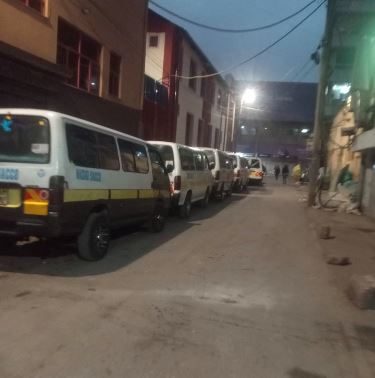
Nairobi's Public Transport Never Sleeps
Every morning before sunrise, Nairobi transforms into one of East Africa's busiest transport hubs.
From Ngara and the CBD to Westlands, thousands of buses, matatus and shuttles begin ferrying workers, students, traders and visitors across the city.
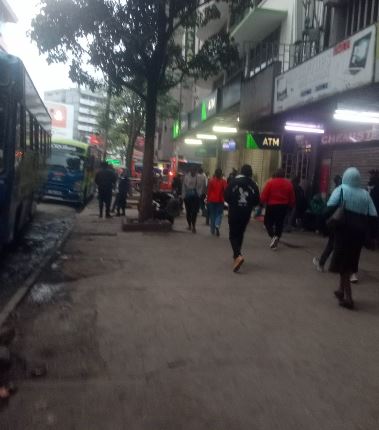
Walking through Nairobi's CBD, it quickly becomes clear that public transport is more than just moving people—it's a massive economic ecosystem powered by hundreds of PSV operators.
During one morning walk through the city, I observed vehicles belonging to dozens of transport companies and Saccos, including:
- Super Metro
- KBS
- City Shuttle
- Latema
- Digital Luxury
- Marafiki Sacco
- Captain Deluxe
- Northways Sacco
- Nicco Movers
- Integrity Intercity
- Lucky Travellers
- Chania Sacco
- Runa Sacco
- Mwiki PSV Sacco
- ATS Sacco
- Everest K Sacco
- Ngumo Line Sacco
- Kiragi Sacco
- KMO Sacco
- Thomat Sacco
- Kijabe Line Sacco
...and many more serving different estates, towns and counties every day.
This diversity demonstrates how extensive Nairobi's PSV network has become, connecting almost every corner of the city and beyond.
Many vehicles carry unique names, slogans and humorous quotes that reflect Kenyan humour, music, football, current affairs and everyday life.
Did You Know?
Nairobi's public transport network consists of hundreds of PSV Saccos and companies operating thousands of matatus, buses and shuttles every day, connecting the CBD with estates, satellite towns and counties across Kenya.
Morning Rush Hour Is an Economy of Its Own
Between 5:30 a.m. and 9:00 a.m., transport demand rises sharply.Passengers compete for available seats while operators adjust fares according to demand.This explains why the same journey can cost:
- KSh 30 at 5:45 a.m.
- KSh 70 at 6:30 a.m.
- KSh 100 during heavy congestion or rainfall.
The fare is not only determined by distance—it is also influenced by time, demand, weather and traffic conditions.
Some of the memorable slogans spotted during my commute included:
"Ukithani umerauka sisi tumekesha."-kukena
"Only Easy Day Was Yesterday."-meruit
"Ni Ukweli Lakini Haikuhusu."-rukagina
"Ni kama jana nilichoma-
"Zoea Nyuma"-Super Metro
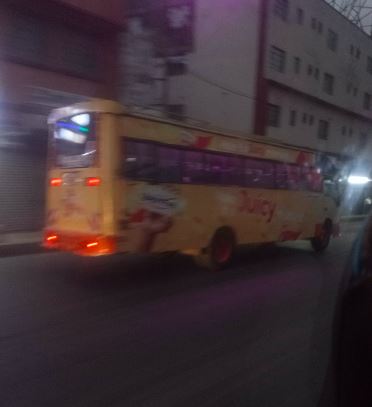
Every Estate Has Its Transport Network
One of Nairobi's greatest strengths is how almost every estate is served by one or more PSV operators.
Whether travelling to:
- Roysambu
- Githurai
- Kahawa
- Ruaka
- Kikuyu
- Embakasi
- Rongai
- Ngong
- Westlands
- CBD
- South B
- Eastleigh
- Kasarani
there is usually a matatu, shuttle or bus serving that route throughout the day.
A seat in a matatu during rush hour can feel like winning a small lottery.
Why does this happen?
The answer lies in Nairobi's growing population, increasing vehicle ownership, and the concentration of economic activity within a few key business districts.
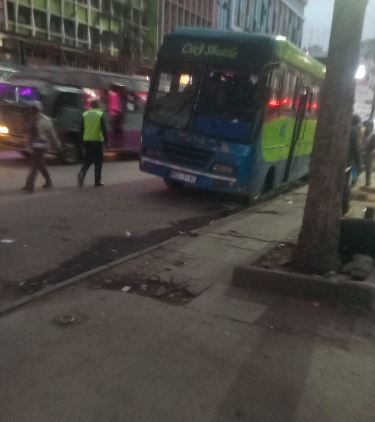
Nothing teaches patience like sitting in a matatu that has not moved for 30 minutes while watching the clock race ahead.
Why Nairobi's Transport System Matters
Every day, Nairobi's public transport network enables:
- Employees to reach offices.
- Students to attend school and university.
- Businesses to receive customers.
- Traders to access markets.
- Tourists to move around the city.
Without this network, Nairobi's economy would struggle to function efficiently.
Nairobi traffic is the great equalizer. Whether you drive a Toyota Vitz or a Mercedes-Benz GLE, everyone eventually meets the same jam.
Nairobi Is Growing Faster Than Its Roads
Over the last few years, Nairobi has experienced significant growth. More people are moving into satellite towns and estates along Thika Road, Kiambu Road, the Northern Bypass, and Waiyaki Way.
The early bird catches the worm, but in Nairobi, the early bird also catches lower matatu fares.
At the same time, more households now own vehicles.
The result is simple economics.
Thousands of people attempt to use the same roads at almost the same time every morning.
The moment the clock approaches 6:00 a.m., the roads begin to fill rapidly. School buses, delivery trucks, private vehicles, ride-hailing cars, motorcycles, and matatus all compete for the same road space.
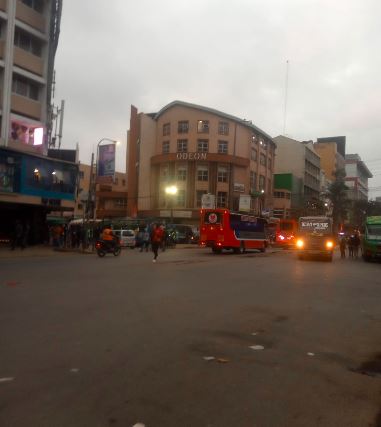
Every road tells a story. Thika Road tells one of growth. Waiyaki Way tells one of patience. Kiambu Road tells one of timing.
This is why a Mercedes-Benz GLE driver heading to a corporate office and a Prado J150 owner running a wholesale business may both be on the road before sunrise.
They understand that in Nairobi, arriving early is often cheaper than arriving late.
The Early Morning Advantage
There is a unique calm that exists before most of the city wakes up.
The stages are quieter.
Rain in Nairobi does not only change the weather—it changes transport prices, traffic patterns, and people's moods.
The roads are less congested.
Matatus fill faster and move more efficiently.
For commuters, this translates into shorter travel times and lower stress levels.
By the time the city fully wakes up, traffic bottlenecks begin forming along Thika Road, Kiambu Road, Forest Road, and Waiyaki Way.
What could have been a smooth 30-minute drive quickly becomes a frustrating one-hour crawl.
Traffic does not just steal time; it steals energy, patience, and sometimes opportunities.
The Hidden Economics of Matatu Fares
Many people think matatu fares are random.
They are not.
Matatu pricing follows demand.
During peak hours, fares increase because demand for transport rises sharply.
The lady next to me was shocked when the fare jumped from KSh 90 to KSh 100. Yet she still paid. We all did. We wanted to get home.
For example:
| Route | Off-Peak Fare | Peak Fare |
| Githurai to CBD | 30Ksh | KSh 100 |
| Roysambu to Town | 70Ksh | 90Ksh-100Ksh |
| Town to Westlands | 30Ksh | 50Ksh |
Rain often pushes fares even higher.
Anyone who has stood at a stage during a heavy Nairobi downpour understands this reality. The first matatu that arrives is immediately filled with passengers willing to pay extra simply to get home.
Why Capacity Matters
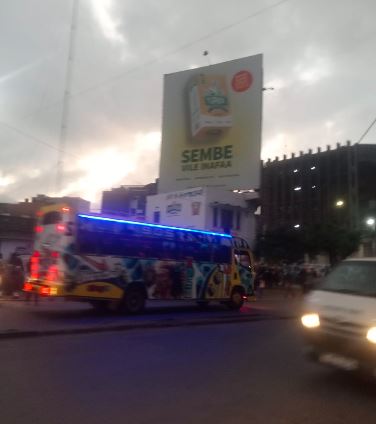
Vehicle type also influences pricing.
An Isuzu NQR carrying 33 passengers may charge more than an Isuzu FVZ carrying over 50 passengers.
The larger bus spreads operating costs across more passengers, allowing operators to offer slightly lower fares.
This is why some commuters intentionally wait for a larger vehicle even when a smaller one is available.
To many Nairobi residents, saving KSh 10 or KSh 20 every day matters.
Over a month, those savings become significant.
The Nairobi Expressway Question
Despite being one of Nairobi's most transformative transport projects, many commuters have never used the Nairobi Expressway.
Most continue to travel on Waiyaki Way, Thika Road, Mombasa Road, and other traditional routes.
From below, the Expressway often feels like a symbol of two different commuting experiences.
One stream of traffic moves quickly overhead.
Another remains stuck in congestion below.
Whether the Expressway ultimately saves money depends on how much value a commuter places on time.
The Roads That Power Nairobi
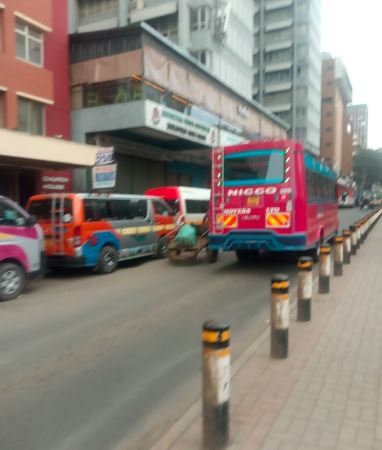
Several major roads support Nairobi's daily economic activity:
- Thika Road
- Kiambu Road
- Waiyaki Way
- Forest Road
- Northern Bypass
- Ngong Road
- Outering Road
Every morning, these roads connect workers to offices, traders to markets, students to schools, and businesses to customers.
Without them, Nairobi would simply stop functioning.
More Than Just a Commute
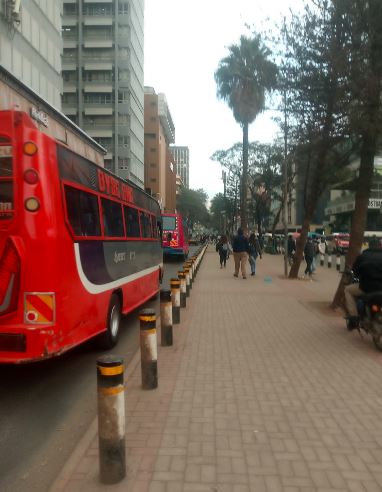
The daily journey from Roysambu to Westlands is more than a personal experience.
It is a reflection of a city in motion.
A city where millions of people leave home before sunrise.
A city where time has become one of the most valuable currencies.
A city where Toyota Hiaces, Isuzu NQRs, Isuzu FVZs, buses, motorcycles, and private vehicles collectively support a transport ecosystem worth billions of shillings every year.
And perhaps the biggest lesson Nairobi teaches its commuters is simple:
Know a PSV Sacco, Shuttle or Bus Company We Should Feature?
Monolith Africa documents Kenya's transport ecosystem—from PSV Saccos and commuter routes to buses, trucks and commercial vehicles. Suggest a company or route and help us build one of Kenya's most comprehensive transport directories.