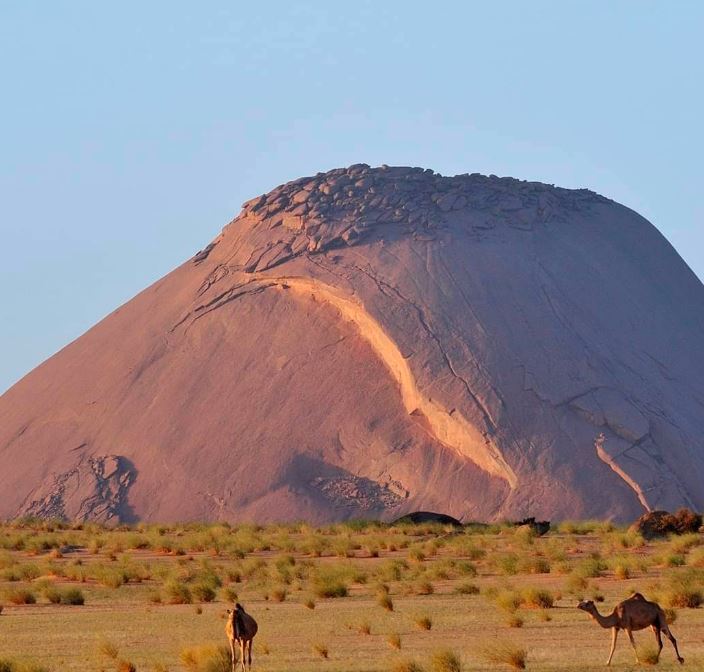
Monolith Africa: Ben Amera, Africa’s Largest Monolith Explained
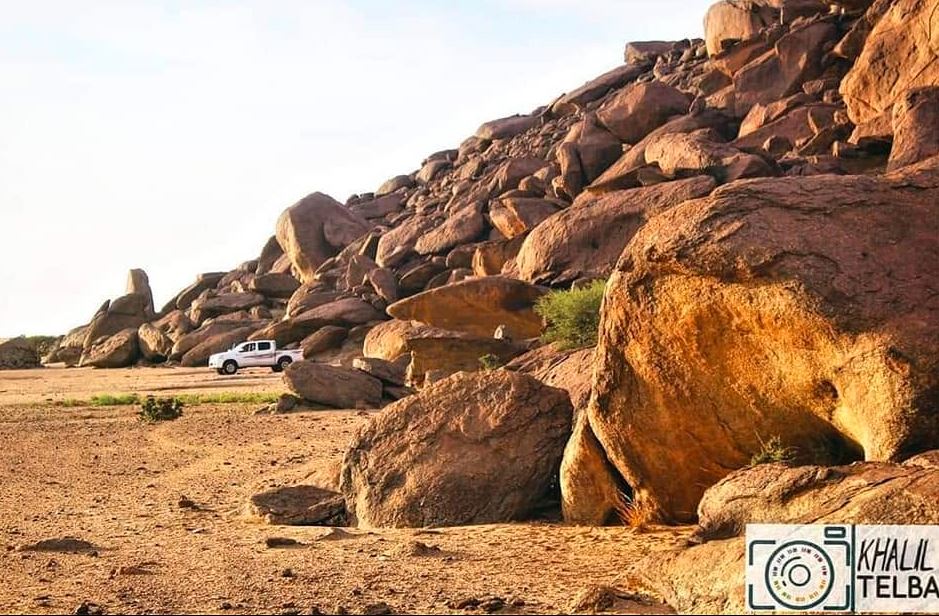
Welcome to Mauritania
What Is a Monolith?
A monolith is a large geological formation consisting mainly of one massive piece or body of rock. The word originates from Greek: monos, meaning “single,” and lithos, meaning “stone.”
Some monoliths rise dramatically above their surroundings after millions of years of erosion remove the softer rock and soil around them. Famous examples include Uluru in Australia, Zuma Rock in Nigeria, Sibebe Rock in Eswatini and Ben Amera in Mauritania.
What Is Ben Amera?
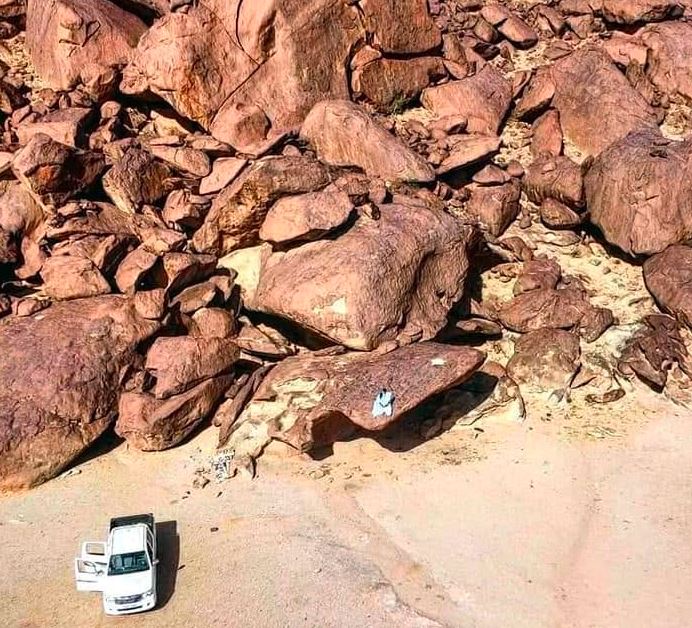
Ben Amera, also written as Ben Amira, is an enormous isolated rock formation in Mauritania. It rises prominently from the surrounding Sahara Desert and is widely described as Africa’s largest monolith.
The formation is commonly reported to rise approximately 633 metres above the desert floor. Some travel sources describe it as the world’s second-largest monolith after Australia’s Uluru, but global rankings vary because geologists and publishers do not always classify or measure monoliths in the same way. It is therefore safer to describe Ben Amera as one of the world’s largest monoliths
Where Is Ben Amera Located?
Ben Amera is found in northern Mauritania, close to the Western Sahara region. It lies west of Choum and near the railway used by Mauritania’s famous iron ore trains travelling between the mining town of Zouérat and the port city of Nouadhibou.
Its remote desert location is part of its appeal, but it also makes access challenging. There are no ordinary paved roads leading directly to the formation. Visitors generally require:
- A capable four-wheel-drive vehicle
- An experienced desert driver or guide
- Sufficient water, food and fuel
- Camping equipment for an overnight visit
- Updated travel and security information
Tour operators commonly combine Ben Amera with Choum, the iron ore railway and other attractions within Mauritania’s Adrar region
Ben Amera and Aïsha: The Desert Legend
Welcome to Mauritania
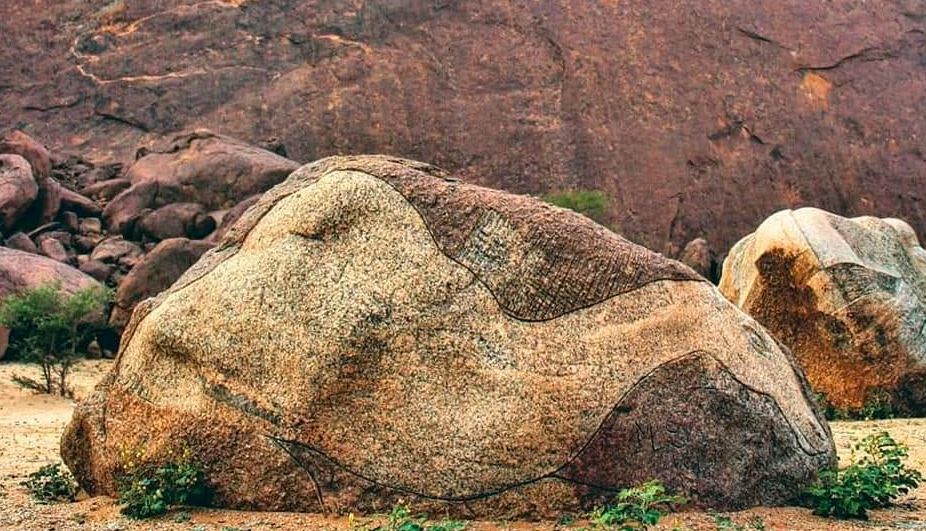
A smaller monolith known as Aïsha or Ben Aïcha stands several kilometres from Ben Amera. Local folklore portrays Ben Amera and Aïsha as a separated husband and wife, with smaller rocks between them representing their children.
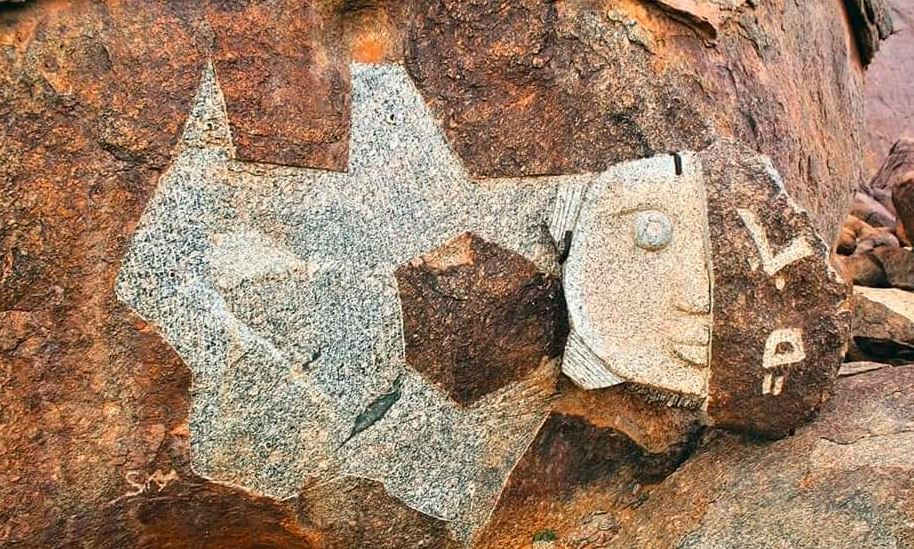
Aïsha is also known for its outdoor stone artwork. In 1999, international artists created sculptures among the rocks near the formation, giving visitors a combination of geology, desert scenery, folklore and art.
The two monoliths can be visited during the same desert expedition, although a suitable vehicle and knowledgeable local guide remain essential.
Why Is Ben Amera Famous?
Ben Amera attracts attention because of its immense scale, isolated location and striking appearance against the Sahara landscape. Unlike heavily commercialised attractions, it remains remote and relatively undeveloped.
It is particularly attractive to:
- Desert expedition travellers
- Landscape photographers
- Geologists and geography students
- Rock climbers
- Overland drivers
- Visitors exploring Mauritania’s iron ore railway
The absence of large hotels and developed tourist facilities makes the experience feel raw and adventurous—but also requires careful preparation.