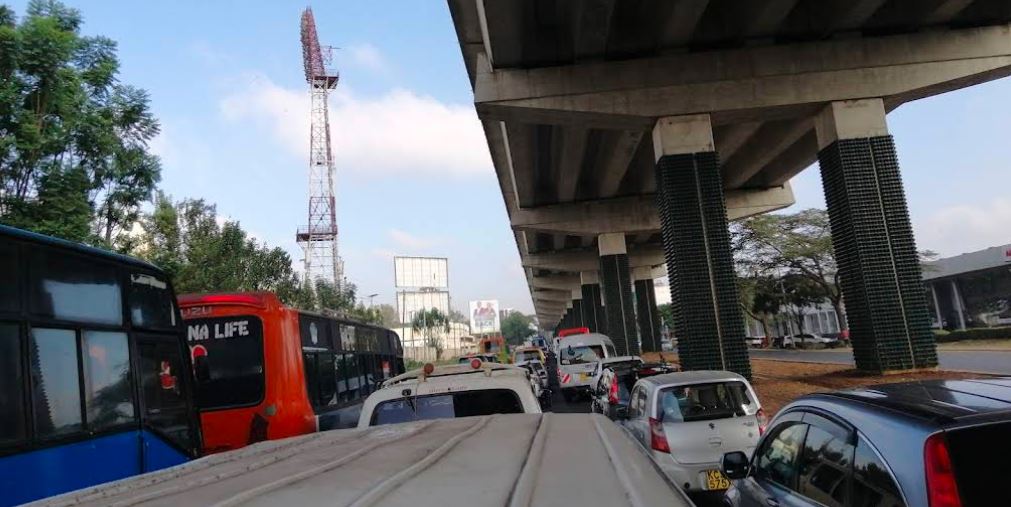
Kenya Is Now a Multi-Million Vehicle Economy
Kenya’s transport landscape has changed dramatically over the past decade. According to official statistics, the country now has millions of registered vehicles actively using its road network, a figure that has grown steadily year after year.
This growth reflects rising urbanization, expanding logistics networks, increased motorcycle use, and a transport system that remains heavily road-dependent.
By the latest reporting years (2022–2023):
Total registered motor vehicles in Kenya: over 4 million
Motorcycles Alone: Over 2 MILLION
Motorcycles account for more than HALF of all registered vehicles
Annual new motorcycle registrations are in the hundreds of thousands
Vehicle Registrations Have Grown Consistently
Data from the Kenya National Bureau of Statistics shows that vehicle registrations increased continuously between 2014 and 2023, with no long-term reversal in trend. Each year adds hundreds of thousands of new vehicles to Kenyan roads.
The result is a national vehicle population measured in millions, spanning private cars, motorcycles, buses, lorries, pickups, and specialized commercial vehicles.
-
Private cars, station wagons, and light vehicles number well above 1 million
-
Growth is steady every year, not flat
-
Urban counties (Nairobi, Kiambu, Nakuru, Mombasa) dominate registrations
Motorcycles Are the Fastest-Growing Segment
One of the most striking shifts in Kenya’s vehicle population is the explosive rise in motorcycle registrations. New motorcycle registrations now number in the hundreds of thousands annually, outpacing private car growth.
Motorcycles have become essential for:
-
Last-mile transport
-
Delivery and courier services
-
Rural and peri-urban mobility
This has permanently reshaped transport demand and parts consumption patterns across the country.
vehicles don’t just move people — they move money.
Commercial Vehicles Drive the Economy
Beyond private vehicles, Kenya has seen steady growth in:
-
Light commercial vehicles
-
Heavy trucks and lorries
-
Public service vehicles
-
Pickups, lorries, trucks, buses, tankers
-
Several hundred thousand registered commercial vehicles
-
This category grows slower than motorcycles, but never declines
These vehicles power trade, agriculture, construction, and regional logistics. Every additional truck or pickup translates into long-term demand for tyres, engine parts, lubricants, suspension components, and repairs.