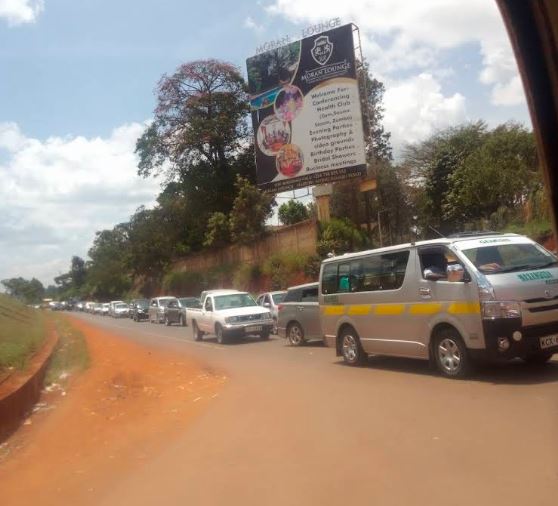
Kenya Is Built on Roads
Kenya’s economy moves on wheels. According to official transport statistics, the country’s classified road network now exceeds 200,000 kilometres, making road transport the dominant mode of movement for people, goods, and services.
From highways linking cities to rural access roads serving farms and markets, roads remain the single most important transport asset in Kenya.
The Numbers: Over 200,000 Kilometres Nationwide
National transport data shows that Kenya’s road network — covering paved and unpaved roads — stretches well beyond 200,000 km. This includes:
-
Trunk roads connecting major towns
-
Primary and secondary roads
-
County and rural access roads
This vast network explains why road transport carries the largest share of passenger and freight traffic in the country.
oads Carry the Economy
More than 90% of domestic freight in Kenya moves by road. Agricultural produce, fuel, construction materials, manufactured goods, and imports from ports all rely on road transport for final delivery.
With millions of registered vehicles using this network daily, roads are not just infrastructure — they are economic lifelines.
Growth Has Been Steady, Not Accidental
The expansion of Kenya’s road network has been driven by:
-
National highway projects
-
County road upgrades
-
Urban road expansion
-
Regional corridor development
As population, trade, and vehicle ownership grow, road construction and rehabilitation have continued to expand to meet demand.
Pressure on the Network Is Rising
With millions of vehicles and hundreds of thousands added every year, Kenya’s road network faces increasing pressure. Congestion, wear and tear, and accident risks rise as usage intensifies.
This makes road maintenance, safety enforcement, and vehicle condition more critical than ever.
Roads, Ports, Rail, and Air Work Together
While Kenya invests in rail and air transport, roads remain the last-mile connector for every other transport mode. Cargo from ports, rail terminals, and airports ultimately depends on roads to reach final destinations.
In this way, the road network ties the entire transport system together.