How to Set Up a Profitable Spare Parts Shop (Without Wasting Money on Décor)
2026-02-02 16:50:21
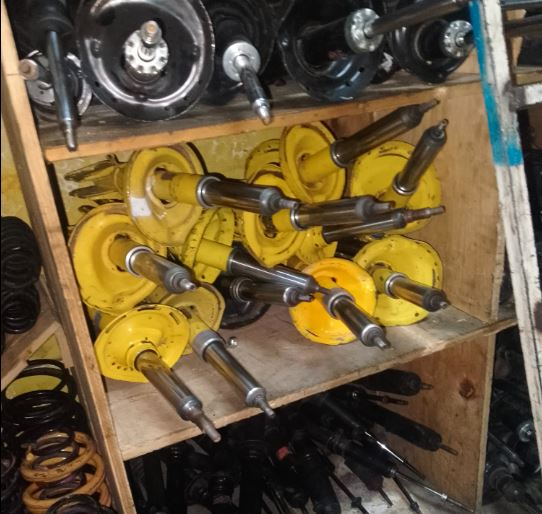
Why a “Good-Looking” Shop Can Quietly Destroy Your Business
Many beginners believe a successful shop must look expensive — tiled floors, designer shelves, bright lights, and modern counters. It feels professional.
But in the spare parts business, appearance does not create sales — availability does. Money spent on décor is money not working for you on the shelf.
Stock, pricing, and trust bring customers back — not flashy fittings.
Build for Function, Not Fashion
A profitable shop answers these questions quickly:
Can I locate parts in seconds?
Can customers see what I sell clearly?
Can I track stock without confusion?
Is my layout reducing theft and mistakes?
If the answer is yes, you are already ahead of most shops.
Keep the Setup Simple (And Powerful)
1) Clean
Cleanliness signals seriousness. A dusty shop suggests poor handling and low standards. Sweep daily and keep parts off the floor.
2) Well-Organized
Group parts logically — brakes, filters, electricals, cables, suspension. Label shelves. Organization saves time and builds confidence.
3) Easy to Navigate
Leave clear paths. Keep fast-moving items within reach. Easy buying leads to more sales.
What you don’t need at the start:
Fancy lighting, expensive counters, designer shelves. Invest in stock, not style.
Shelving That Sells for You
Shelves are not storage — they are silent employees.
Use strong shelves (metal if possible) for heavy parts.
Arrange by category, not randomly.
Place fast-moving items at eye level.
Keep slow items higher or lower
This reduces errors, speeds service, and increases trust.
The Counter: Your Control Center
Your counter must be:
Strong and secure
Spacious for writing, POS, receipts
A barrier between customers and stock
Free of clutter
A clean counter signals order and professionalism.
Branding That Works (Without Wasting Cash)
Start with:
A clear shop name (what you sell must be obvious).
Large readable signage.
A visible phone number.
Protect Your Investment
Heavy-duty locks and grills
Lockable cabinets for high-value parts
Limited internal access
Consistent locking routines
Security is not an expense — it is insurance.
Records = Control
Start day one with:
Daily sales log
Stock-in / stock-out tracking
Simple ledger or notebook
Records show what sells, what stalls, and where money goes.
Staff or Solo?
Run the shop yourself at first. You’ll learn:
Products
Customers
Pricing
Margins
Hire only when sales are steady.