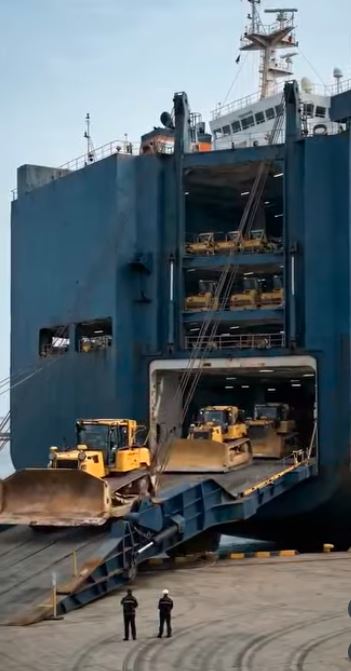
How Much Does It Cost to Import a Car from Japan to Kenya?
Buying a car from Japan is often cheaper than purchasing one locally, but the advertised vehicle price is only part of the total cost. Before your vehicle can be driven on Kenyan roads, you'll need to pay several taxes, government levies, and service charges.
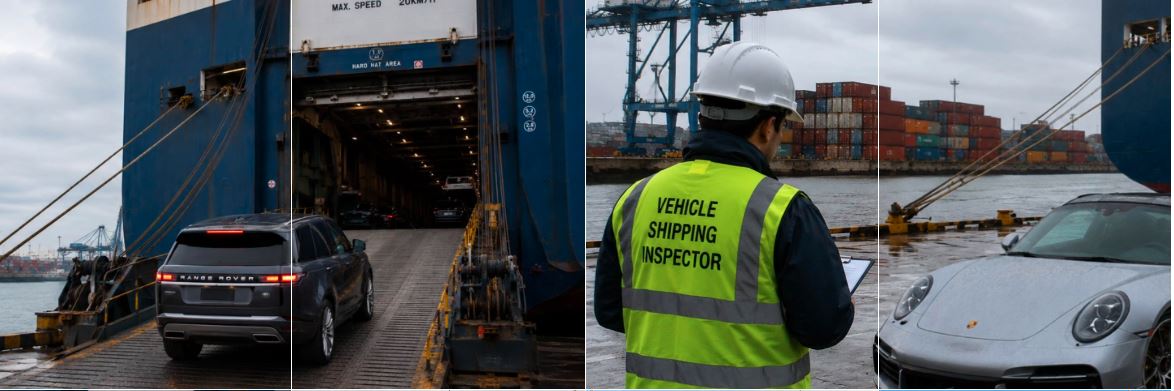
If you're importing a vehicle for the first time, understanding these costs can help you budget properly and avoid unexpected expenses.
| Shipping Method | What it Means | Vanning Charged? |
| RoRo (Roll-on/Roll-off) | The vehicle is driven onto the ship and driven off at the destination. | Normally No |
| Container | The vehicle is loaded and secured inside a shipping container. | Yes |
Tips for Reducing Import Costs
- Compare prices from multiple Japanese exporters.
- Choose fuel-efficient vehicles with lower engine capacities if taxes are a concern.
- Request a complete quotation before making payment.
- Work with a licensed clearing agent.
- Avoid unnecessary port storage charges by clearing your vehicle promptly.
- Use KRA's current valuation methods when estimating the total landed cost.
In this guide, we explain every major charge involved in importing a vehicle into Kenya.
1. Vehicle Purchase Price
This is the amount you pay to the exporter or dealership in Japan.
The price usually depends on:
- Vehicle make
- Model
- Year
- Mileage
- Condition
- Optional features
Remember that this price does not include Kenyan taxes or local charges.
2. Shipping Costs
After purchasing your vehicle, it must be shipped to the Port of Mombasa.
Shipping costs vary depending on:
- Vehicle size
- Shipping method (RoRo or Container)
- Export port in Japan
- Shipping company
Some exporters include freight in their quotations, while others list it separately.
3. Import Duty
Import Duty is one of the largest taxes payable when importing a vehicle into Kenya.
It is charged by the Kenya Revenue Authority (KRA) based on the Customs Value of the vehicle.
The amount payable depends on the vehicle's value as determined under Kenya's customs valuation rules.
4. Excise Duty
Excise Duty is another tax charged on imported motor vehicles.
The rate depends on factors such as:
- Engine capacity
- Vehicle type
- Applicable tax regulations
Generally, vehicles with larger engine capacities attract higher excise duty.
5. Value Added Tax (VAT)
VAT is charged after Customs Value, Import Duty, and Excise Duty have been taken into account.
This makes it one of the most significant components of the total import cost.
6. Import Declaration Fee (IDF)
The Import Declaration Fee (IDF) is charged on imported goods entering Kenya.
This fee helps facilitate customs processing and documentation before the vehicle is released.
7. Railway Development Levy (RDL)
The Railway Development Levy (RDL) is charged on imported goods to support railway infrastructure development in Kenya.
It forms part of the taxes collected during customs clearance.
8. Port Charges
Once your vehicle arrives at the Port of Mombasa, additional charges may apply, including:
- Port handling fees
- Storage charges (if delayed)
- Documentation fees
Prompt clearance can help reduce storage costs.
9. Clearing Agent Fees
Most importers use licensed clearing agents to process customs documentation and coordinate the release of vehicles.
A clearing agent typically assists with:
- Customs documentation
- Tax payments
- KRA processing
- Port procedures
- Vehicle release
Professional clearing services can save time and reduce paperwork.
10. NTSA Registration Fees
Before your imported vehicle can legally be driven in Kenya, it must be registered with the National Transport and Safety Authority (NTSA).
Registration may include:
- Number plates
- Logbook processing
- Registration fees
- Inspection requirements (where applicable)
Other Costs You Should Budget For
Besides taxes and government charges, you may also incur:
- Marine insurance
- Bank transfer charges
- Vehicle inspection fees
- Inland transport from Mombasa
- Comprehensive insurance
- Vehicle tracking (optional)
- Servicing after arrival
Planning for these costs ensures a smoother import process.
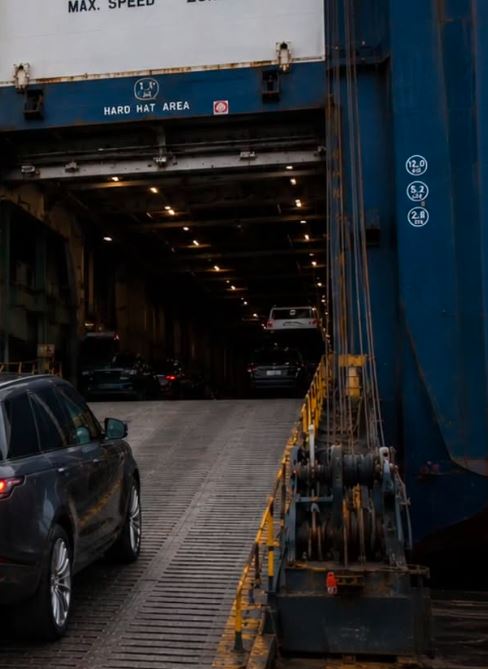
1. RoRo (Roll-on/Roll-off) 🚗
- Your car is driven onto the ship.
- It is parked on the vessel's vehicle deck.
- At Mombasa, it is driven off.
- You never own a container.
This is the cheapest and most common option for importing one car.
2. Container Shipping 📦
A shipping container is used to transport the vehicle.
There are two common types:
Shared Container (LCL)
- Your car shares the container with other vehicles or cargo.
- You do not own the container.
- You only pay for the space your vehicle occupies.
Full Container (FCL)
- You pay for the entire 20-foot or 40-foot container.
- Your vehicle is the only cargo (or you load several of your own vehicles/items).
- Even then, you do not own the container.
The container belongs to the shipping line (such as Maersk, MSC, CMA CGM, etc.). It is simply rented for transportation.
After the container arrives in Mombasa:
- It is taken to a container freight station (CFS).
- Your vehicle is unloaded.
- The empty container is returned to the shipping line.
When would someone effectively use the whole container?
Usually when they are importing:
- Multiple vehicles (e.g., 2–4 cars depending on size)
- A car plus spare parts
- Household goods together with a vehicle
- High-value vehicles needing extra protection
Why do some people choose container shipping?
Advantages
- Better protection from weather and handling.
- You can ship spare parts or personal belongings (subject to regulations).
- Suitable for luxury or classic cars.
Disadvantages
- More expensive than RoRo.
- Additional container handling charges (including loading/"vanning" and unloading).