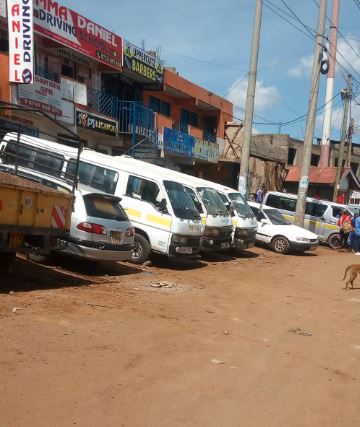
The Hidden Costs of Running a Matatu in Kenya: Why High Fares Don't Always Mean High Profits
To many Kenyans, paying KSh 120 from Nairobi CBD to Rongai or KSh 80 to Kikuyu can feel expensive. It's easy to assume matatu owners and crews make huge profits from every trip. However, a conversation between two conductors (makangas) paints a very different picture. Behind every fare collected is a long list of expenses that passengers rarely see.
If you've ever wondered where your fare goes, here's a closer look at the hidden economics of Kenya's matatu industry.
A Full Matatu Doesn't Mean Full Profit
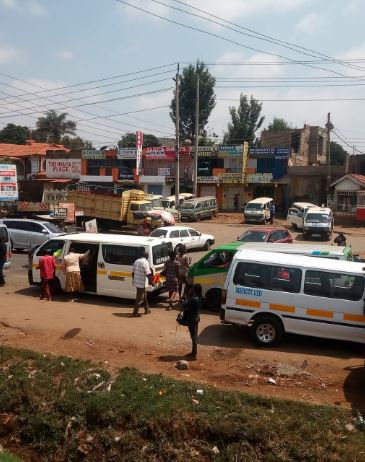
Take a 33-seater matatu travelling from Nairobi CBD to Rongai.
If every passenger pays KSh 120, the gross collection is:
33 × 120 = KSh 3,960
At first glance, almost KSh 4,000 on one trip sounds like easy money.
But before the driver and owner can celebrate, several deductions are made almost immediately.
Stage Charges Begin Before the Journey Starts
Before the matatu even leaves the CBD, stage-related expenses start accumulating.
According to what many crews describe, these may include:
| Expense | Approximate Cost |
| Stage departure fee | KSh 200 |
| Booking clerk (book writer) | KSh 100 |
| Police collections (where reported) | KSh 100 |
| Stage marshals / queue management | Varies |
These costs differ from route to route and not every stage operates the same way, but they represent common operating expenses discussed within the industry.
Reaching the Destination Isn't Free Either
After arriving in Rongai, the vehicle doesn't simply wait for passengers without additional costs.
Conductors often refer to the waiting area as the "shimo."
Typical expenses may include:
| Expense | Approximate Cost |
| Parking at the destination stage ("shimo") | KSh 250 |
| County-related charges (commonly referred to as Kanjo fees) | KSh 30 |
| Passenger callers or "hypers" who help fill the vehicle | Around KSh 100 |
These people play an important role in ensuring the matatu fills quickly, especially during off-peak hours when passengers are fewer.
The Difference Between Rongai and Kikuyu Routes
During the conversation, one conductor explained why the Rongai route appears more profitable than Kikuyu.
A Rongai passenger may pay around KSh 120, while Kikuyu fares can fluctuate throughout the day:
- Morning: KSh 50
- Mid-morning: KSh 60
- Afternoon: KSh 70
- Peak hours: KSh 80
Although Kikuyu matatus often make more trips because of the shorter distance, the lower fare means the gross revenue per trip is considerably lower than Rongai.
Every route therefore has its own balance between:
- Distance travelled
- Passenger demand
- Number of trips per day
- Operating expenses
- Traffic delays
Why Conductors Say They Can Lose KSh 600 on a Trip
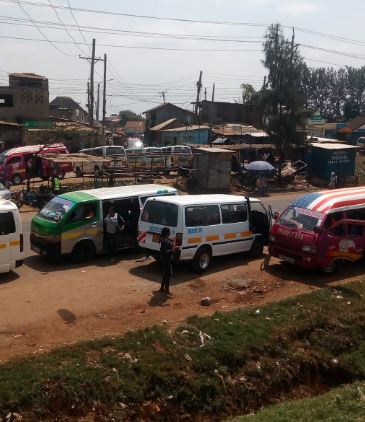
One striking point from the conversation was the claim that a crew can "bleed" around KSh 600 or more on a single trip before accounting for fuel and other operating costs.
Using the figures mentioned:
- Stage departure: KSh 200
- Booking clerk: KSh 100
- Police collections (where reported): KSh 100
- Destination stage ("shimo"): KSh 250
- County charge: KSh 30
- Passenger callers: KSh 100
That already totals approximately KSh 780 in expenses.
These figures are anecdotal and can vary significantly depending on the SACCO, route, stage management practices, and local enforcement.
And That's Still Not the End
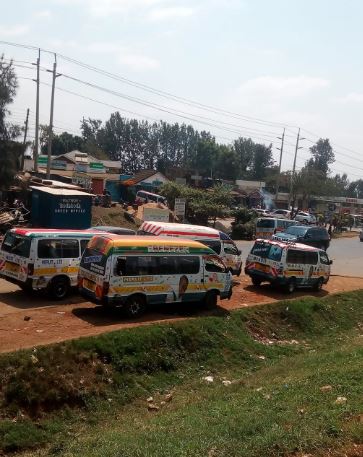
Beyond these stage-related costs, a matatu owner must still cover:
- Fuel
- Driver's salary
- Conductor's salary
- Daily vehicle target (remittance)
- Insurance
- Vehicle servicing
- Tyres
- Brake repairs
- Loan repayments (if financed)
- NTSA compliance costs
- SACCO fees
- Unexpected mechanical breakdowns
Only after all these expenses are met can the owner determine whether the day's operations were actually profitable.