How Culverts Are Constructed in Kenya: Step-by-Step Contractor Guide
Culverts are critical drainage structures used in road construction to allow water to pass beneath roads, railways, or embankments. In Kenya, culverts are commonly installed along highways, rural access roads, farm roads, and bridge crossings to prevent flooding and protect road infrastructure.
Contractors typically construct culverts using reinforced concrete pipes or cast-in-place concrete structures depending on the project size and site conditions. Proper culvert construction ensures effective drainage, long service life, and reduced road maintenance costs.
Below is a simplified step-by-step guide to how culverts are constructed on road and infrastructure projects.
Need To Hire and Inflatable Culvert Balloon in Kenya Contact bemsaki enterprise Here >>>
1. Site Survey and Design
The first step in culvert construction involves surveying the construction site to determine drainage patterns, soil conditions, and water flow direction.
Engineers calculate the required culvert diameter or width based on expected water volume, rainfall data, and terrain slope. The design stage also determines whether the project will use:
-
pipe culverts
-
box culverts
-
arch culverts
Proper design ensures the culvert can handle heavy rainfall and prevent road erosion.
2. Excavation and Ground Preparation
Once the culvert location is marked, contractors begin excavation using equipment such as excavators or backhoes.
The trench is dug deep enough to accommodate the culvert pipe and bedding layer. The ground is then compacted and leveled to create a stable foundation that will support the culvert structure.
A layer of sand, gravel, or crushed stone is often placed at the base to improve drainage and distribute the load evenly.
3. Installation of Formwork or Culvert Pipes
Depending on the project type, contractors either install precast culvert pipes or construct culverts using concrete formwork.
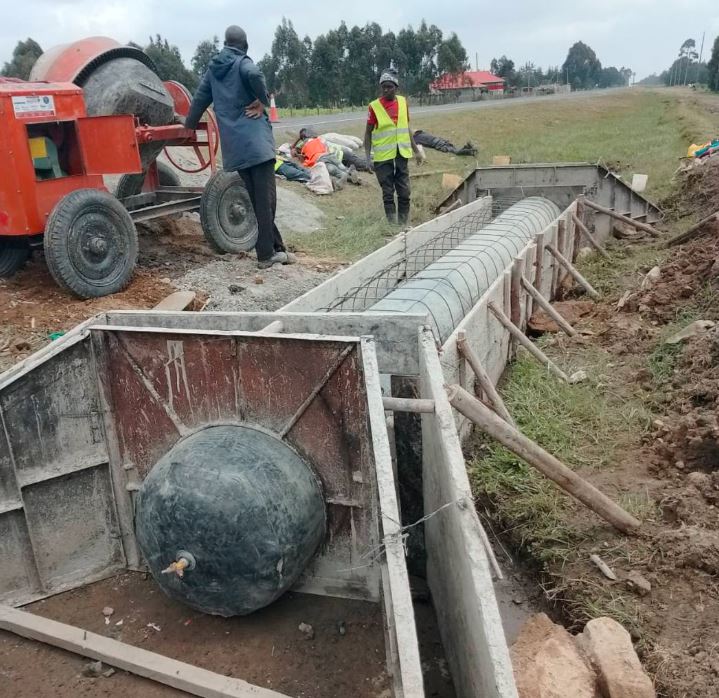
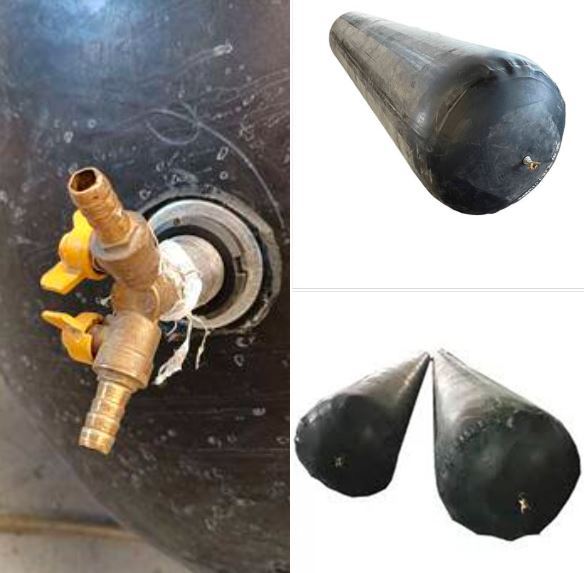
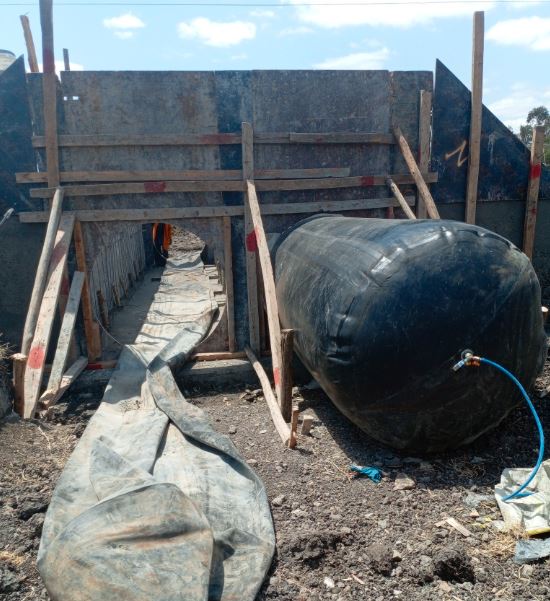
For cast-in-place culverts, formwork is installed to shape the concrete structure. In some projects, contractors use inflatable rubber culvert balloons to create the hollow cavity inside the culvert during concrete casting. These balloons expand to the required diameter and are removed once the concrete hardens.
This method helps produce smooth interior surfaces and speeds up culvert construction.
4. Concrete Casting and Reinforcement
Reinforcement bars (steel rebar) are installed before pouring concrete to strengthen the culvert structure.
Concrete is then poured into the formwork around the reinforcement and allowed to cure. During this stage, contractors ensure the concrete is properly compacted to avoid air pockets and structural weaknesses.
Proper curing is essential to ensure the culvert achieves its full strength.
5. Backfilling and Compaction
After the culvert structure has cured, the trench around the culvert is backfilled with soil or gravel.
The material is compacted in layers to prevent settlement and ensure the road surface remains stable. Proper compaction is important to distribute the load of vehicles passing above the culvert.
6. Drainage Channel and Road Finishing
Finally, contractors construct drainage channels and embankments that direct water into the culvert.
The road surface above the culvert is then restored using gravel, asphalt, or concrete depending on the road type. Proper drainage slopes are created to guide water flow efficiently through the culvert.