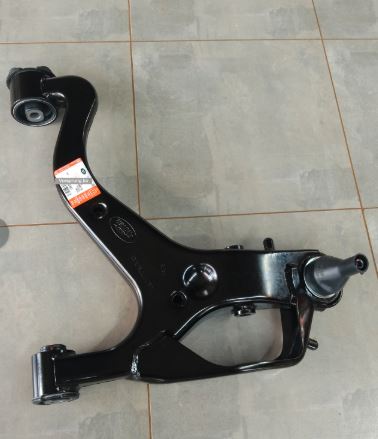
Land Rover vehicles are built for performance, durability, and off-road capability. However, even the most capable suspension systems require maintenance over time. One of the most critical components in the suspension system is the control arm.
Whether you drive a Discovery 3, Discovery 4, LR3, LR4, or Defender, replacing worn control arms ensures proper steering, ride comfort, and overall vehicle safety.
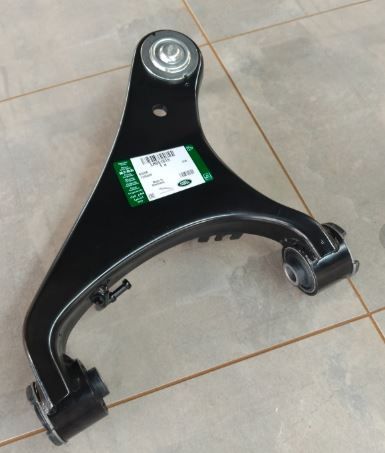
Image of Control arms by vorsprung
What Is a Control Arm?
A control arm is a suspension component that connects the wheel hub to the vehicle’s chassis. It allows the wheel to move vertically while maintaining correct alignment with the body of the vehicle.
Each control arm assembly typically includes:
-
Heavy-duty forged or cast metal arm
-
Rubber or polyurethane bushings
-
Integrated ball joint
These parts absorb shocks from uneven surfaces and maintain wheel stability during cornering and braking.
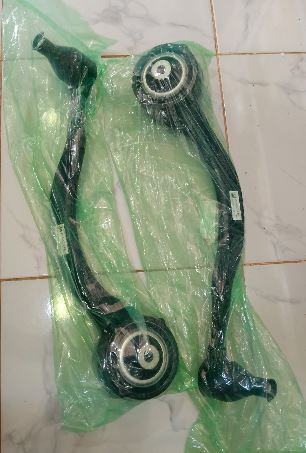
Image of Control arms by vorsprung
Common Signs of Worn Land Rover Control Arms
Over time, bushings and ball joints wear out due to road stress and environmental exposure. You may need replacement if you notice:
✔ Clunking or knocking sounds when driving over bumps
✔ Steering instability or drifting
✔ Uneven tire wear
✔ Vibrations at highway speeds
✔ Reduced braking stability
Land Rover vehicles, especially those used for off-road driving, tend to experience higher suspension stress.
Genuine OEM vs Aftermarket Control Arms
When replacing suspension components, buyers typically choose between genuine OEM parts and aftermarket alternatives.
Genuine OEM Control Arms
-
Manufactured to original Land Rover specifications
-
Exact fitment and alignment
-
Longer service life
-
Maintains factory ride quality
Aftermarket Control Arms
-
Lower upfront cost
-
Quality varies by manufacturer
-
May not match OEM durability
For performance and long-term reliability, many owners prefer genuine components.
How Long Do Control Arms Last?
On average, control arms can last between:
-
60,000 to 100,000 miles
However, lifespan depends on:
-
Driving conditions
-
Load weight
-
Terrain type
-
Maintenance practices
Regular inspections during routine servicing help prevent unexpected failures.