Businesses importing urgent, valuable or time-sensitive cargo through Jomo Kenyatta International Airport need more than ordinary delivery services. They may require international freight booking, cargo handling, customs clearance, bonded warehousing and final delivery from JKIA.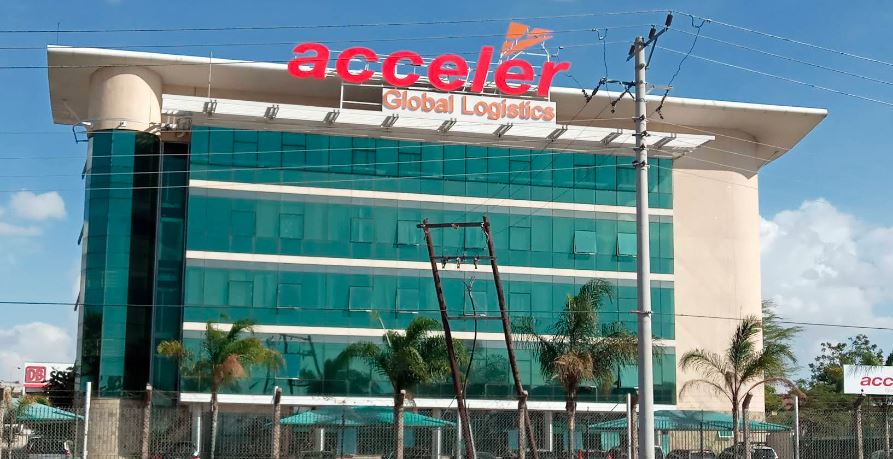
Several logistics companies operate around the JKIA Freight Terminal, Airport South Road, Embakasi and the wider Mombasa Road corridor. This location gives freight companies access to the airport, Nairobi’s Industrial Area, the Inland Container Depot and major roads connecting Nairobi with Mombasa and other East African markets.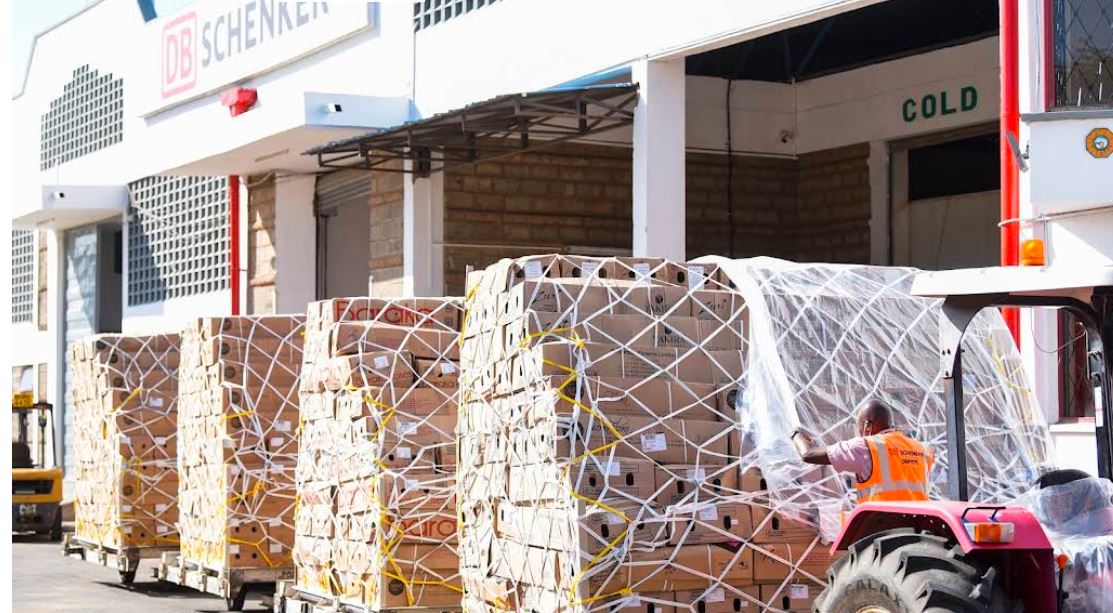
This guide introduces some of the logistics and cargo businesses serving the JKIA area. It does not rank them from best to worst. Importers should compare quotations, licences, experience and cargo-handling capabilities before appointing a provider.
Freight Forwarding Companies Serving JKIA
DSV Kenya and DB Schenker
DB Schenker should no longer be presented as a completely separate company without an explanation. DSV and Schenker have joined forces, and the DB Schenker website has been merged into DSV’s website.
Existing customers can still track former Schenker shipments and use the transitioned account services. New customers should approach DSV for airfreight, sea freight, road transport, contract logistics and project cargo.
Kuehne+Nagel Kenya
Kuehne+Nagel is an international freight forwarder offering airfreight, sea freight, road logistics and supply-chain services. Its Nairobi operation is located at the Kuehne+Nagel Building on Specialised Freight Road, First Avenue, JKIA.
Its air-logistics services cater to general commercial cargo, urgent shipments, perishables, high-value goods and temperature-sensitive products. The company also offers customs-clearance support and digital cargo-tracking tools.
Contact details
- Telephone: +254 20 827 411
- Email: info.nairobi@kuehne-nagel.com
- Location: Specialised Freight Road, First Avenue, JKIA
- Website: Kuehne+Nagel
Kuehne+Nagel states that international airfreight commonly takes between one and seven days, although the actual duration depends on the route, airline schedule, clearance and service selected.
Globalfreight Logistics
Globalfreight Logistics operates from MarkFirst House in the JKIA area. Its services include airfreight, sea freight, customs clearance, warehousing, trucking, project cargo and dangerous-goods handling.
Contact details
- Telephone: +254 733 911 045/046/047
- Email: info@globalfreight.co.ke
- Location: MarkFirst House, JKIA
- Website: Globalfreight Logistics
Mitchell Cotts Group

Mitchell Cotts operates a substantial air-cargo terminal at JKIA. The company says that its terminal has capacity to handle more than 150 million kilograms of cargo annually.
Its services include cargo-terminal operations, freight forwarding, warehousing, transport, project logistics and specialised handling. It also has experience with horticultural and other temperature-sensitive exports.
Contact details
- Telephone: +254 730 110 000
- Email: sales@mitchellcotts.co.ke
- Location: Air Cargo Terminal, Airport South Road, JKIA
- Website: Mitchell Cotts Group
Acceler Global Logistics
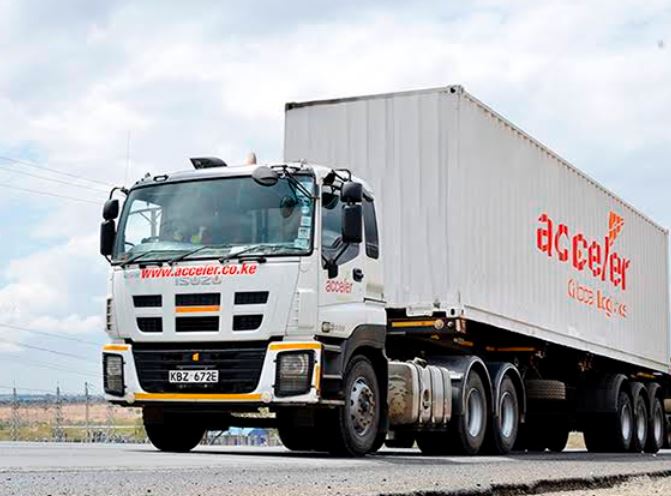
Acceler operates from the JKIA Freight Terminal and provides freight forwarding, customs brokerage, warehousing, transportation, distribution and supply-chain management.
It is also listed in the FIATA Kenya directory, which identifies its location as Acceler Towers on First Freight Lane.
Contact details
- Telephone: +254 703 059 000
- Alternative: +254 720 607 070
- Email: info@acceler.co.ke
- Location: Acceler Towers, First Freight Lane, JKIA
- Website: Acceler Global Logistics
Union Logistics
Union Logistics offers airfreight, ocean freight, road and rail transport, warehousing and project-cargo services. It reports experience in manufacturing, pharmaceuticals, automotive, energy, mining, infrastructure and oil and gas.
Contact details
- Location: Union Place, First Freight Lane, JKIA Cargo Village
- Website: Union Logistics
- Quotations: Use the company’s online contact channel
Expolanka Freight/EFL Global
EFL’s Kenya operation is based at Kenroid Warehouse on Second Freight Lane, JKIA. It provides freight forwarding, customs brokerage, warehousing, transportation and wider supply-chain services.
Older listings may identify the company as Expo Freight. The name was changed to Expolanka Freight Limited in 2025.
Contact details
- Telephone: +254 20 514 2500
- Location: Kenroid Warehouse Unit 1, Second Freight Lane, JKIA
- Website: EFL Global
Transglobal Cargo Centre and Çelebi Aviation Kenya
Transglobal Cargo Centre is a cargo-handling facility rather than an ordinary clearing agent. In 2026, Çelebi Aviation acquired Transglobal and now describes its Kenya operation as providing import, export and transit cargo handling at JKIA.
Its services include cargo-terminal and ground-handling operations for airlines and commercial cargo. An importer may still require a licensed clearing agent and transporter to complete customs procedures and final delivery.
Do you need airfreight, customs clearance, warehousing or cargo delivery from JKIA?
Submit your cargo origin, destination, description, weight, dimensions and expected shipping date. Monolith Africa can share the requirement with suitable logistics providers for quotation.
What Does a Freight Forwarder Do?
A freight forwarder coordinates the movement of goods from the supplier to the consignee. Depending on the contract, this can include: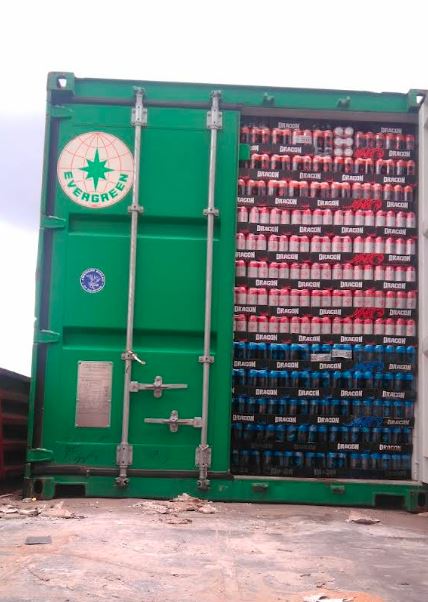
- Collecting cargo from the overseas supplier
- Booking space with an airline or shipping line
- Consolidating smaller shipments
- Preparing transport documents
- Arranging cargo insurance
- Coordinating customs clearance
- Organising warehousing
- Delivering the cargo after release
- Providing shipment tracking
- Managing regional transit cargo
The freight forwarder does not necessarily own the aircraft, vessel, warehouse or truck used to move the goods.
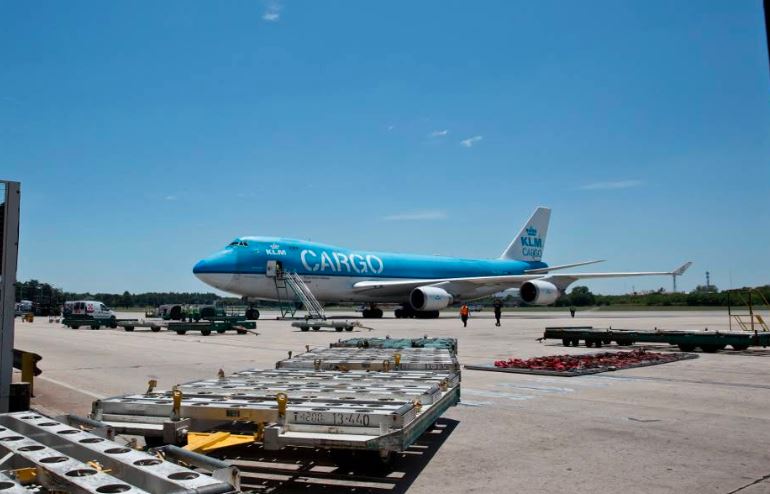
Image of an Air Cargo by New Planet Express Limited
Freight Forwarder vs Customs Clearing Agent
A freight forwarder plans and coordinates the shipment. A customs clearing agent is authorised to prepare and lodge customs declarations on behalf of an importer or exporter.
One company may provide both services, but customers should confirm this before signing an agreement. KRA states that commercial imports such as machinery, vehicles and general merchandise require the involvement of a licensed customs clearing agent.
Documents Commonly Required for JKIA Clearance
Requirements depend on the cargo, but a commercial importer may be asked for:
- Commercial invoice
- Packing list
- Air Waybill
- Import Declaration Form
- Certificate of origin
- Import permits
- Insurance certificate
- KRA PIN and company documents
- Certificate of Conformity where applicable
- Product-specific regulatory approval
- Tax exemption documents, where applicable
- Authorisation appointing the clearing agent
Controlled products may require approval from organisations such as KEBS, PPB, KEPHIS, ACA or another relevant regulator.
Send draft documents to the appointed agent before the goods leave the country of origin. Incorrect descriptions, quantities or tariff classifications can cause delays and additional costs.
How Much Does Airfreight and Clearance at JKIA Cost?
There is no single JKIA freight-forwarding price. The quotation can be affected by:
- Actual and chargeable weight
- Cargo dimensions
- Origin and destination
- Type and value of goods
- Airline and available capacity
- Urgency of the shipment
- Customs duties and taxes
- Handling and documentation charges
- Storage time at the cargo terminal
- Inspection requirements
- Final-delivery distance
- Dangerous, fragile or temperature-controlled cargo
Airlines normally compare the shipment’s actual weight with its volumetric weight and charge whichever is higher. Two shipments weighing the same can therefore have different prices if one occupies significantly more space.
How to Request an Accurate Freight Quote
Give the logistics company complete information rather than asking only, “How much is shipping?”
A useful request should contain:
Ask the provider to separate international freight, customs-agency fees, terminal handling, storage, taxes and final delivery. This makes different quotations easier to compare.
How to Choose a JKIA Logistics Company
Do not automatically select the lowest quote. Evaluate:
- Whether the customs-agent licence is valid
- Experience with your specific commodity
- Clarity of the written quotation
- Cargo insurance arrangements
- Tracking and reporting capability
- Handling of damaged or delayed cargo
- Storage and distribution capacity
- References from existing corporate customers
- Response time during urgent clearances
- Whether third-party expenses are disclosed
Corporate importers should also request service-level commitments, escalation contacts and evidence of insurance.