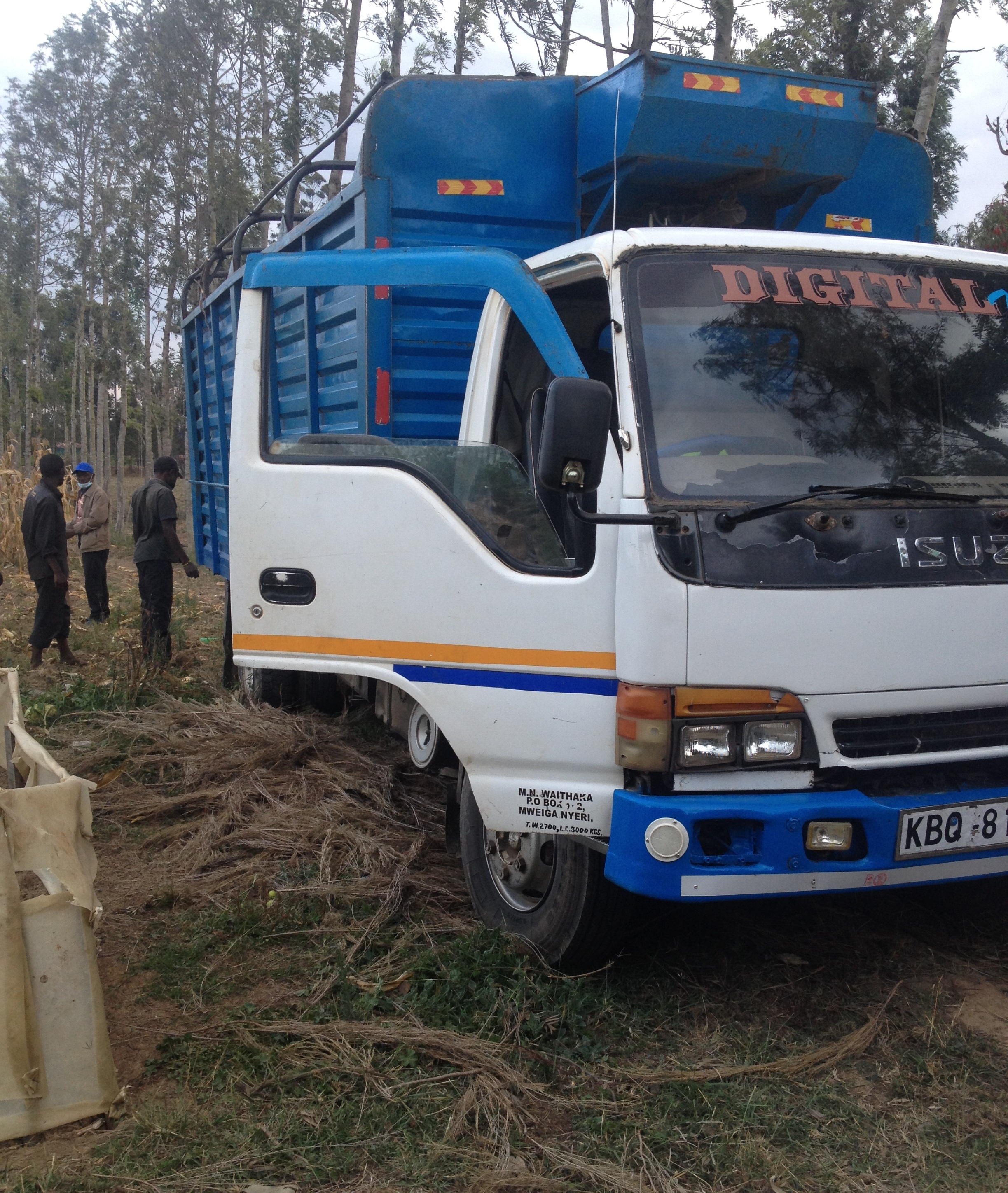
Companies that operate multiple vehicles such as trucks, taxis, delivery vans, or construction equipment must regularly carry out vehicle valuation and inspection.
These services help businesses understand the true condition and value of their fleet, improve safety, and reduce operational costs.
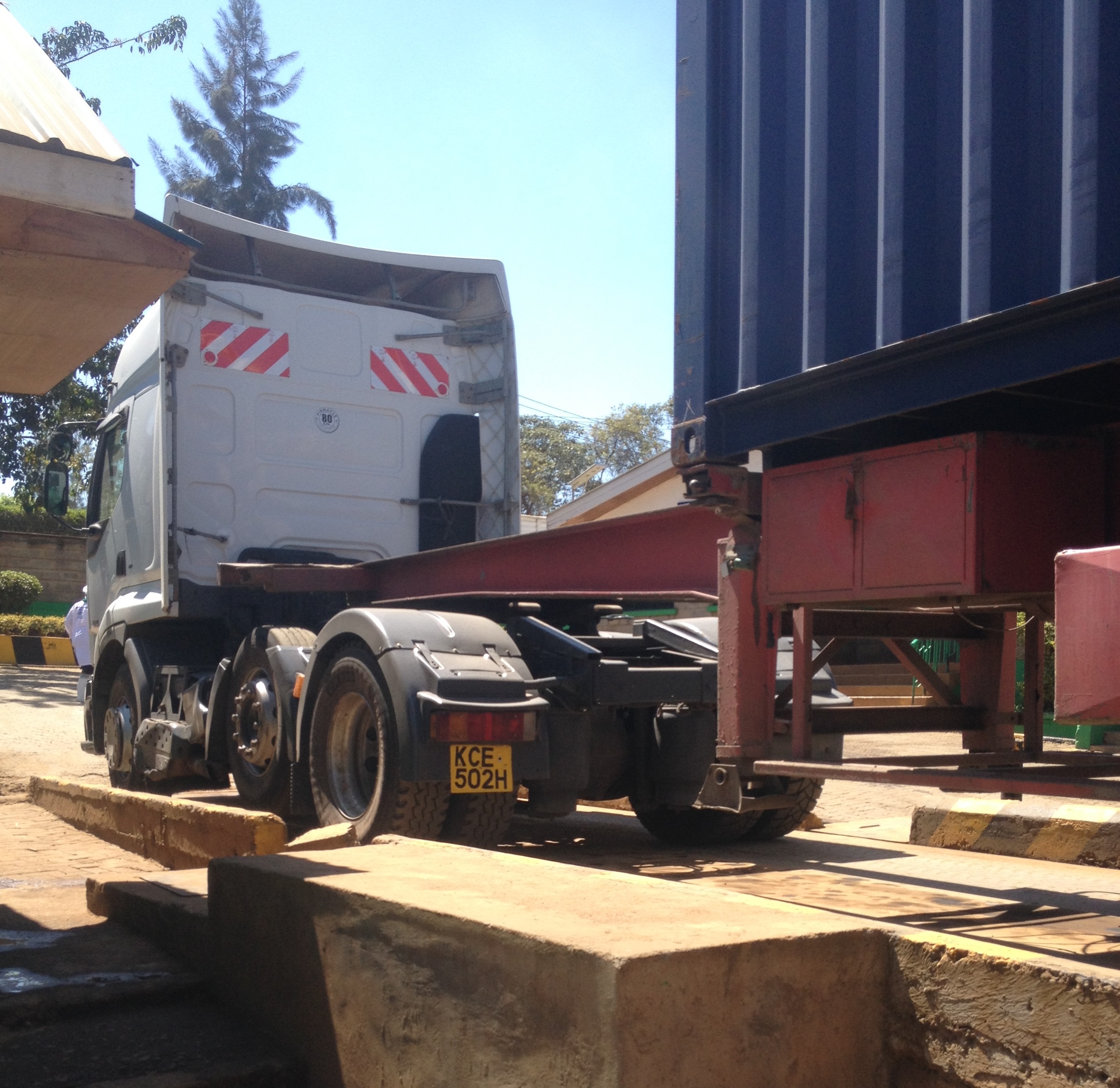
What Is Fleet Vehicle Inspection?
Fleet inspection is a technical assessment of the physical condition of vehicles.
A qualified inspector evaluates several components of the vehicle to determine whether it is safe, roadworthy, and operating efficiently.
Typical inspection areas include:
| Inspection Area | What Is Checked |
| Engine | performance, leaks, unusual noise |
| Brakes | brake pads, braking system |
| Tyres | wear, pressure, alignment |
| Suspension | steering and shock absorbers |
| Electrical system | battery, lights, wiring |
| Vehicle body | accident damage or rust |
Fleet inspections are often conducted before insurance renewal, resale, or fleet audits.
What Is Vehicle Valuation?

Vehicle valuation is the process of estimating the current market value of a vehicle.
Professional valuers consider factors such as:
-
vehicle age
-
mileage
-
maintenance history
-
accident records
-
overall condition
-
market demand
For example:
| Vehicle | Estimated Value |
| Toyota Prado | KSh 4,000,000 – 4,500,000 |
| Isuzu Truck | KSh 2,500,000 – 3,000,000 |
| Toyota Probox | KSh 900,000 – 1,200,000 |
Valuation helps companies determine the financial value of their fleet assets.
Typical Fleet Valuation and Inspection Costs in Kenya
Prices vary depending on the number of vehicles and the type of inspection required.
| Service | Estimated Cost |
| Vehicle inspection | KSh 2,000 – 5,000 per vehicle |
| Vehicle valuation | KSh 3,000 – 7,000 per vehicle |
| Fleet audit report | KSh 20,000 – 100,000 |
For example, inspecting a fleet of 20 vehicles may cost between KSh 80,000 and KSh 200,000 depending on the scope of the assessment.
Why Companies Conduct Fleet Valuation and Inspection
Businesses rely on fleet valuation and inspection for several important reasons.
Insurance Compliance
Insurance companies often require vehicles to undergo inspection before issuing or renewing policies.
Asset Management
Fleet valuation helps companies track the financial value of their assets.
Maintenance Planning
Inspection reports identify vehicles that need repairs or servicing.
Cost Control
Fleet audits help reduce fuel consumption, downtime, and unnecessary repairs.

Fleet Valuation as Part of Fleet Management
Vehicle inspection and valuation are often the first step in a complete fleet audit.
A typical fleet management analysis may include:
-
vehicle inspection reports
-
asset valuation
-
fuel consumption analysis
-
maintenance cost tracking
-
driver behavior monitoring
This information helps businesses make data-driven decisions about their fleet operations.
🚛 Looking for a driving job? Join the Monolith Africa Driver Database and let transport companies discover your skills. Register today.