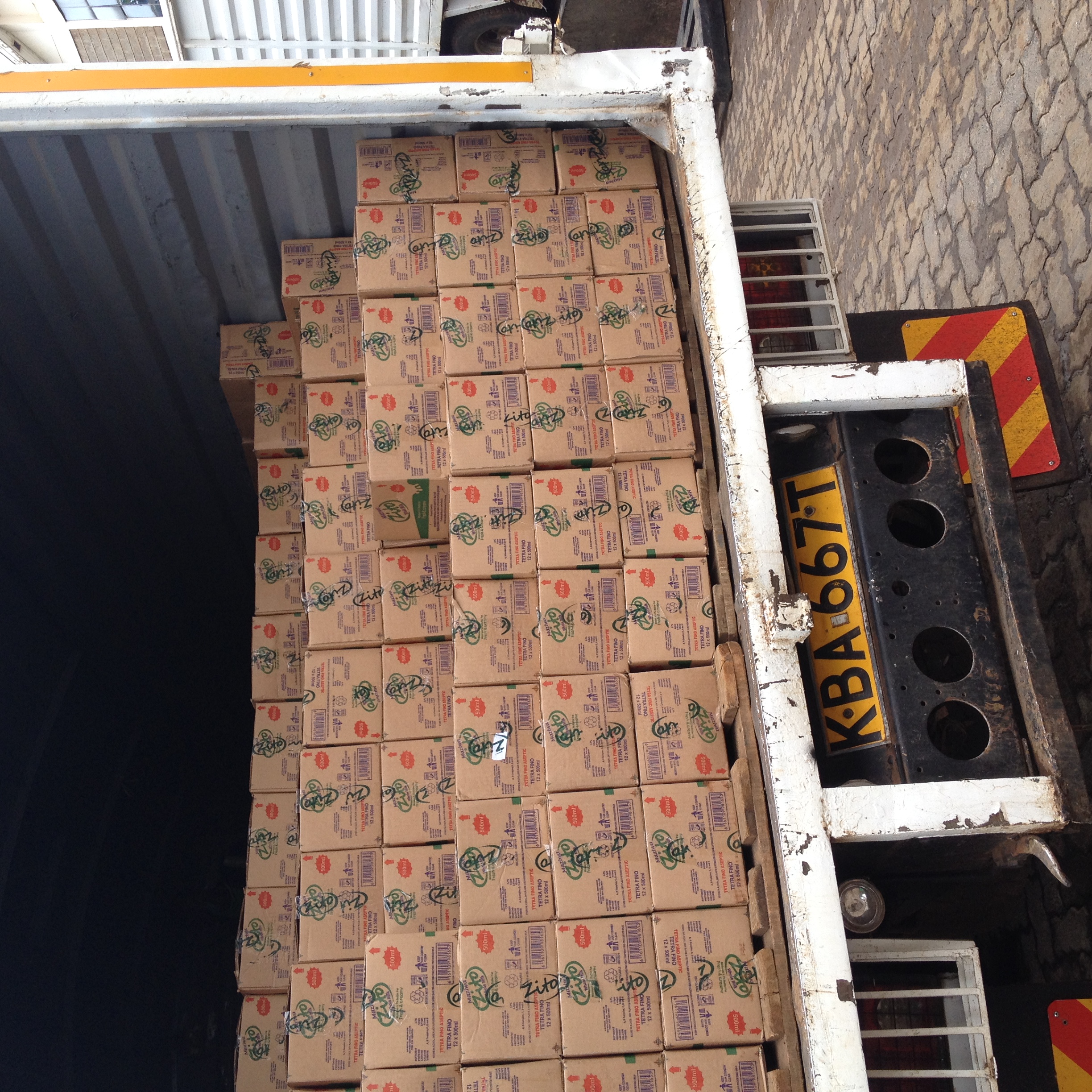
🚛 Fleet Audit Services in Kenya (3-Minute Read)
What Is a Fleet Audit?

A fleet audit is a structured review of a company’s vehicles, drivers, maintenance records, fuel usage, and compliance practices. The goal is to identify inefficiencies, safety risks, and operational costs that can be improved.
Transport companies often operate dozens or even hundreds of trucks, vans, or commercial vehicles. Without regular audits, issues such as poor maintenance, fuel wastage, or driver safety risks can quickly increase operating costs.
A proper fleet audit helps businesses understand how their vehicles are performing and where improvements can be made.

Why Fleet Audits Are Important for Transport Companies
Fleet audits help transport companies improve efficiency and reduce unnecessary expenses. Some of the key benefits include:
• Identifying fuel consumption problems
• Improving vehicle maintenance schedules
• Detecting driver behavior risks
• Ensuring compliance with safety regulations
• Reducing downtime and breakdowns
For logistics companies, even a small improvement in fleet efficiency can save thousands of dollars annually.
The Fleet Audit Process
A fleet audit provides operational efficiency assessments that help transport companies reduce costs and improve reliability.
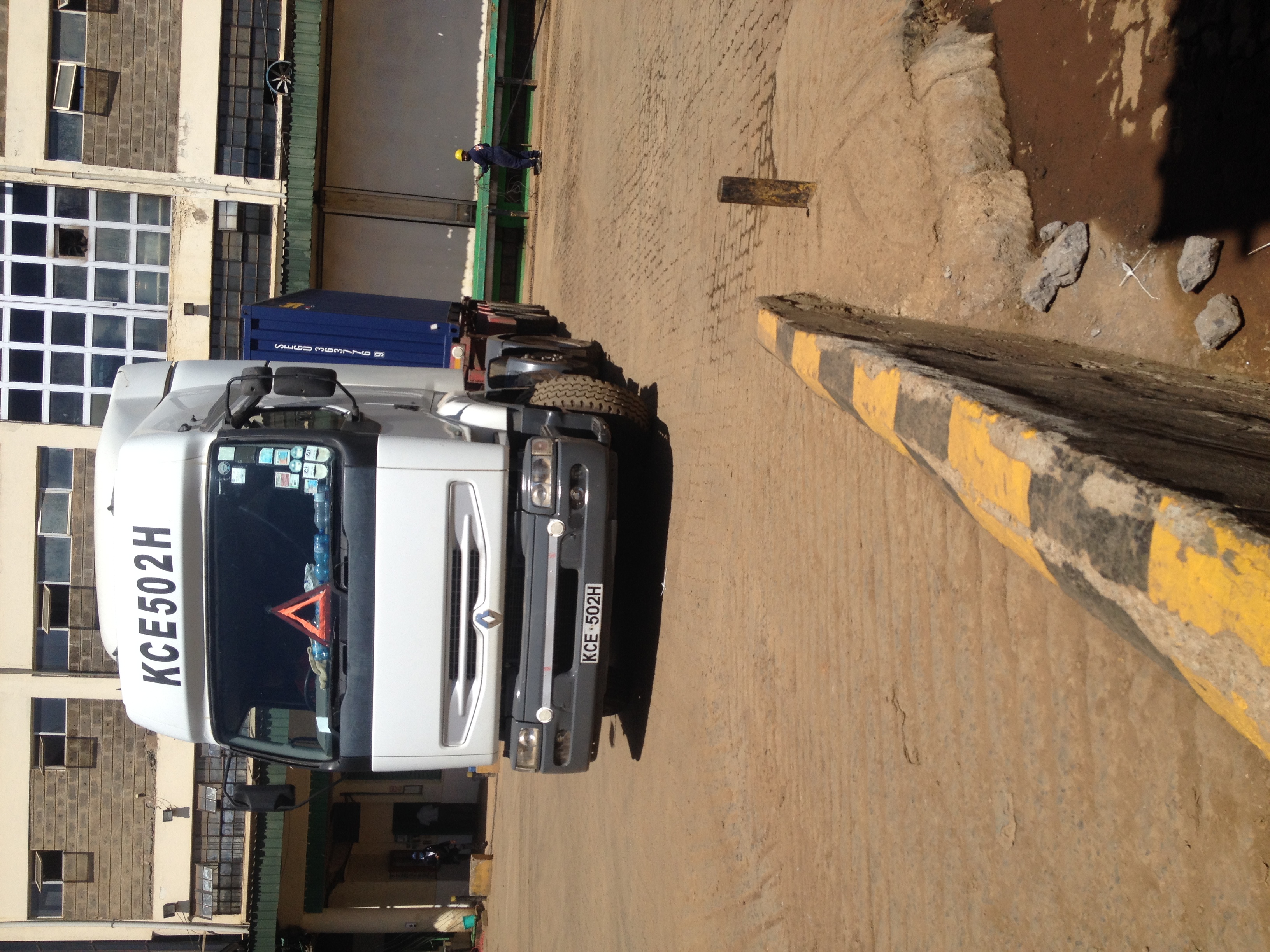
Most fleet audits follow a structured process that examines several key operational areas.
1. Vehicle Condition Inspection
Each truck or vehicle is inspected for mechanical condition, maintenance history, tire wear, and service records.
2. Fuel Usage Analysis
Fuel consumption is reviewed to identify inefficiencies or abnormal usage patterns.
3. Driver Performance Evaluation
Driver behavior such as speeding, harsh braking, and accident records are analyzed.
4. Compliance & Documentation Review
Transport companies must ensure vehicles meet licensing, insurance, and regulatory compliance requirements.
5. Fleet Performance Metrics
Key performance indicators (KPIs) such as vehicle utilization, downtime, and cost per kilometer are analyzed.
Is Your Fleet Operating Efficiently?
Fuel costs, breakdowns, and poor maintenance can silently drain profits.
Run a professional Fleet Audit and discover hidden inefficiencies in your trucks, drivers, and operations.
👉 Request a Fleet Audit Report Here>>>
How Much Does a Fleet Audit Cost in Kenya?
Fleet audit costs vary depending on the size of the fleet and the level of analysis required.
Typical factors affecting the cost include:
• Number of vehicles in the fleet
• Depth of operational analysis
• Compliance inspection requirements
• Data analysis and reporting
For medium-size fleets, audits may range from basic inspections to detailed operational reviews that include performance dashboards and recommendations.
Fleet Audit Cost in Kenya (Estimated)
| Fleet Size | Audit Type | Estimated Cost |
| 1–5 vehicles | Basic fleet health check | KES 8,000 – 15,000 |
| 6–15 vehicles | Standard operational audit | KES 25,000 – 45,000 |
| 20+ vehicles | Advanced fleet analytics audit | KES 80,000 – 150,000 |
Want to know if your fleet is operating efficiently?
Run a Fleet Health Check and receive insights on:
✔ Fuel efficiency
✔ Driver performance
✔ Maintenance risks
✔ Compliance gaps
👉 Request a Fleet Audit Report Here>>>
Advanced fleet systems use predictive maintenance algorithms to detect potential vehicle failures before breakdowns occur.
Key KPIs Used in Fleet Management
Fleet managers monitor several important metrics to measure performance.
Common fleet KPIs include:
• Fuel consumption per vehicle
• Cost per kilometer
• Vehicle downtime
• Driver safety score
• Maintenance frequency
Tracking these metrics helps companies improve operational efficiency and reduce long-term costs.
How Transport Companies Can Improve Fleet Efficiency
After completing a fleet audit, companies usually implement improvements such as:
• preventive maintenance programs
• driver safety training
• route optimization
• fuel efficiency monitoring
• compliance management systems
These improvements allow transport companies to operate more efficiently while improving safety and reliability.
Fleet Audit FAQ
What is a fleet audit?
A fleet audit is a professional review of your transport operations, vehicles, drivers, maintenance records, fuel usage, and compliance documents. It helps identify inefficiencies, reduce costs, and improve fleet performance.
Why is a fleet audit important?
A fleet audit helps transport companies detect hidden losses caused by fuel wastage, poor maintenance, low vehicle utilization, weak driver performance, and compliance gaps. It gives management a clearer picture of how the fleet is performing.
What does a fleet audit include?
A fleet audit may include vehicle condition checks, maintenance record review, fuel consumption analysis, driver performance review, compliance assessment, and fleet performance scoring. The exact scope depends on fleet size and business needs.
How much does a fleet audit cost in Kenya?
Fleet audit pricing depends on the number of vehicles and the depth of analysis required. A simple fleet health check can start from around KES 8,000, while more detailed operational audits for larger fleets can cost significantly more.
Who needs a fleet audit?
Fleet audits are useful for transport companies, logistics firms, contractors, courier businesses, distributors, construction companies, and any organization operating multiple commercial vehicles.
How often should a fleet be audited?
Many businesses benefit from a fleet audit every quarter or every six months. However, companies with high vehicle usage or rising operational costs may need more frequent reviews.
Can a fleet audit reduce fuel and maintenance costs?
Yes. A good fleet audit can reveal fuel inefficiencies, poor service intervals, unnecessary downtime, and underperforming vehicles. This helps businesses reduce avoidable operating expenses.
Does Monolith Africa offer fleet audit services in Kenya?
Yes. Monolith Africa can position its fleet audit service as a data-driven solution for businesses that want to improve fleet efficiency, driver accountability, and compliance performance.