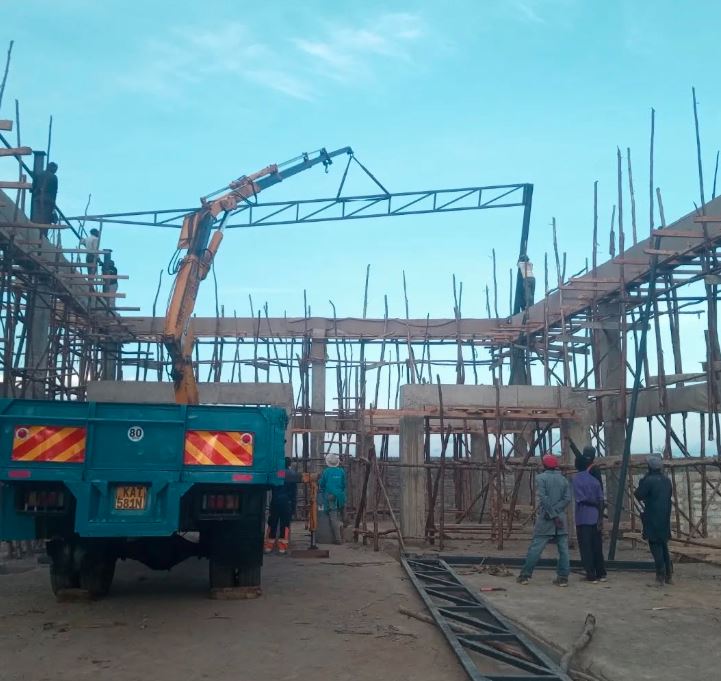
A crane at work by Glowbalink Holdings Co., Ltd
When people think about heavy equipment, they often assume that the company managing a construction or industrial project owns every crane, forklift, generator, or excavator on site. In reality, many projects in Kenya are completed through equipment procurement and outsourcing, where contractors source machinery from specialized equipment owners rather than purchasing it outright.
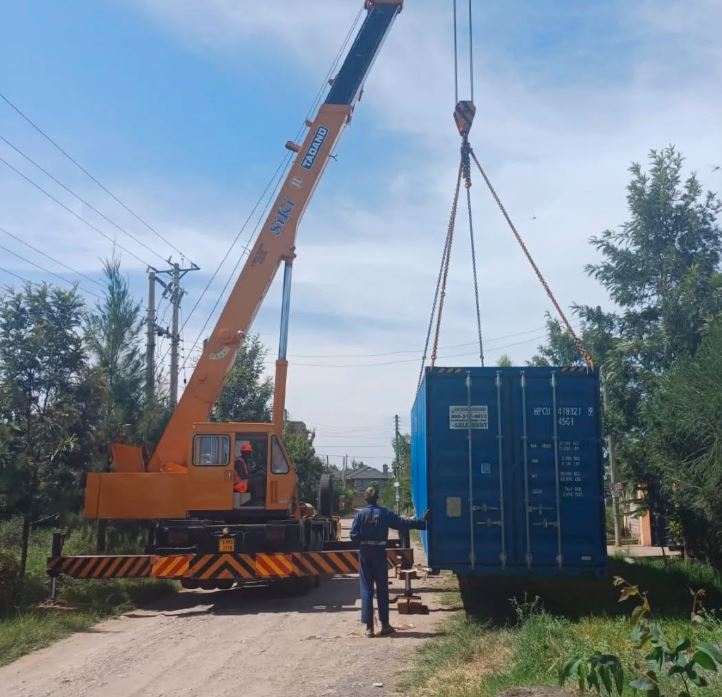
A crane lifting a container by Glowbalink Holdings Co., Ltd
Whether it is a manufacturing plant, AgriHub, road project, warehouse, factory, or commercial building, hiring equipment has become the preferred option because it reduces capital costs while giving contractors access to the right machinery only when it is needed.
What Is Equipment Procurement?
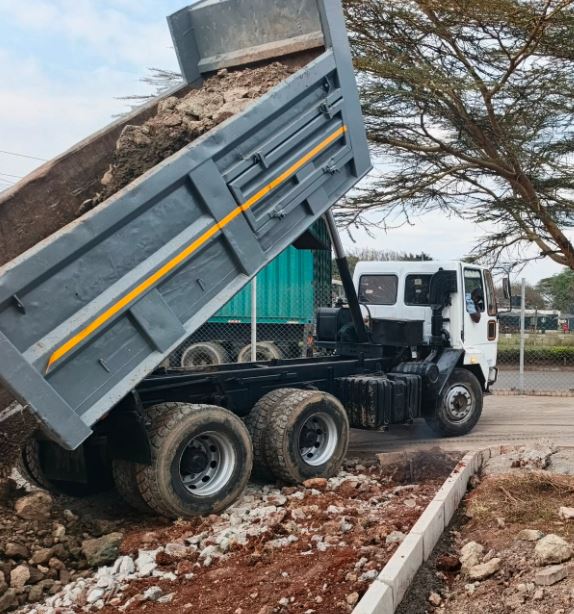
A Tipper by Glowbalink Holdings Co., Ltd
Equipment procurement is the process of identifying, sourcing, negotiating, and coordinating heavy machinery required for a project.
Instead of owning every machine, a procurement specialist or contractor works with equipment owners to secure machinery such as:
- Mobile cranes
- Hydra cranes
- Cherry pickers
- Scissor lifts
- Forklifts
- Excavators
- Backhoes
- Generators
- Trucks
- Scaffolding
The objective is to ensure the correct equipment arrives at the project site on time, at a competitive cost, and with qualified operators where required.
Why Companies Outsource Heavy Equipment
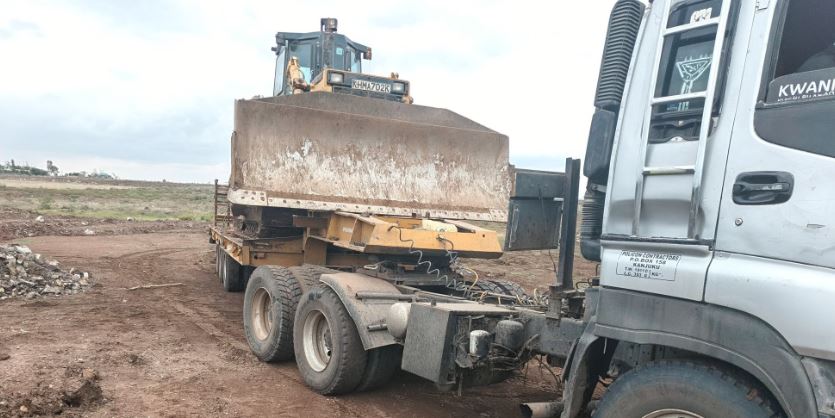
A bulldozer on a low loader by Glowbalink Holdings Co., Ltd
Buying heavy equipment requires significant investment. A single crane, excavator, or high-capacity generator can cost millions of shillings, yet it may only be required for a few weeks during a project.
Hiring equipment allows businesses to:
- Reduce capital expenditure.
- Access specialized machines when needed.
- Avoid maintenance and repair costs.
- Eliminate storage expenses.
- Use newer and well-maintained equipment.
- Scale operations depending on project size.
This approach is widely used across Kenya's construction, manufacturing, mining, energy, logistics, and agricultural sectors.
Equipment Commonly Procured for Large Projects
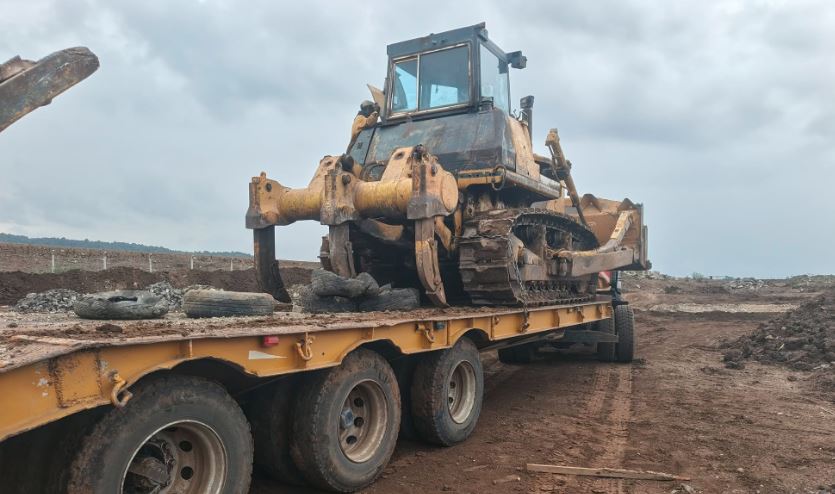
A bulldozer on a low loader by Glowbalink Holdings Co., Ltd
Large industrial developments typically require different machines at various stages of construction.
For example:
- Hydra and mobile cranes lift structural steel, tanks, transformers, and heavy machinery.
- Cherry pickers and scissor lifts allow technicians to safely install lighting, roofing, piping, and electrical systems at height.
- Forklifts move pallets, equipment, and construction materials.
- Backhoes and excavators perform excavation, trenching, and site preparation.
- Generators provide temporary power before permanent electrical connections are commissioned.
- Scaffolding enables safe working platforms for construction teams.
- Trucks and pickups transport equipment, materials, and personnel between project locations.
Each piece of equipment serves a specific purpose, making proper planning essential to avoid delays and unnecessary costs.
Understanding Mobilization and Demobilization
One cost often overlooked is mobilization and demobilization.
Mobilization refers to transporting equipment from the supplier's yard to the project site, while demobilization covers returning the equipment after the work is complete.
These costs depend on factors such as:
- Distance to the project.
- Machine size and weight.
- Escort or permit requirements.
- Fuel consumption.
- Loading and unloading logistics.
For projects located outside major cities, mobilization costs can form an important part of the overall equipment budget.
The Role of Equipment Procurement Specialists
Many successful projects are coordinated by procurement professionals who do not own the machinery themselves. Instead, they maintain networks of verified equipment owners and suppliers.
Their responsibilities include:
- Identifying suitable equipment.
- Comparing supplier quotations.
- Negotiating competitive rates.
- Scheduling deliveries.
- Coordinating mobilization.
- Managing supplier communication.
- Ensuring equipment availability when required.
This model allows contractors to access a wider range of machinery without maintaining expensive fleets.
Equipment Procurement Is Becoming More Data-Driven
As Kenya's infrastructure and industrial sectors continue to grow, procurement decisions increasingly rely on market intelligence rather than guesswork. Contractors compare equipment availability, hire rates, supplier reliability, transport costs, and project timelines before awarding work.
Platforms that organize verified supplier information, equipment specifications, and market insights are helping businesses make faster and more informed procurement decision
Whether you're sourcing cranes, forklifts, cherry pickers, generators, excavators, scaffolding, or other specialized machinery, Monolith Africa connects contractors, project managers, and businesses with verified equipment providers across Kenya. Compare equipment options, discover trusted suppliers, and make informed procurement decisions for your next project.