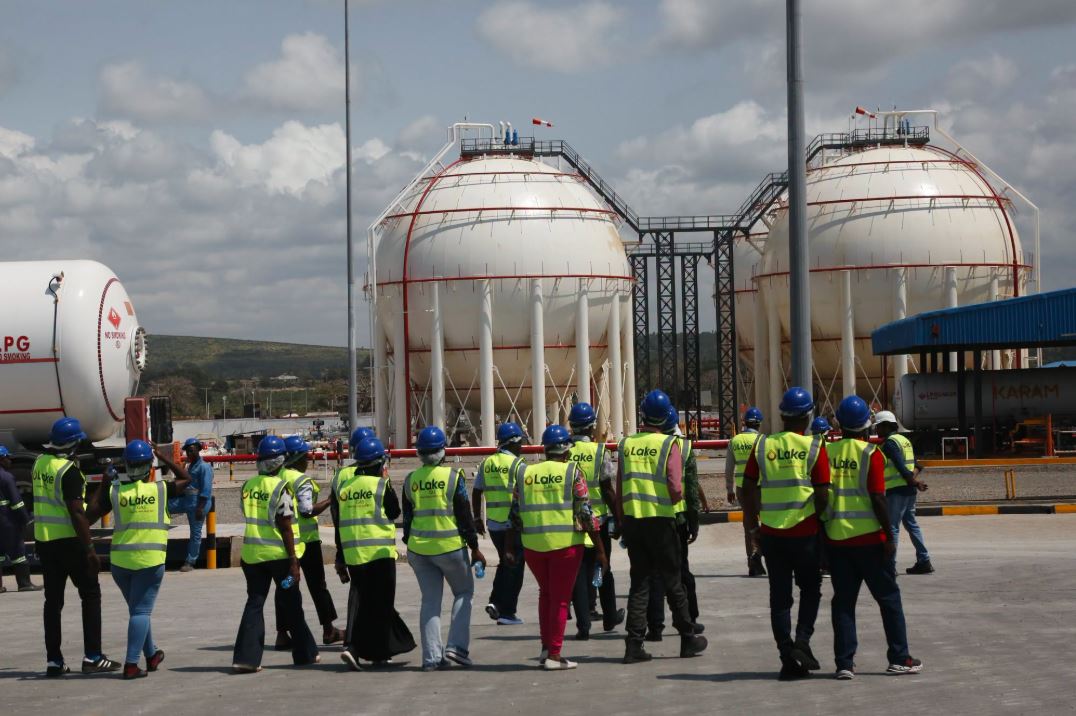
Transporting fuel is one of Kenya’s most tightly regulated logistics activities. Unlike ordinary cargo, petrol, diesel, kerosene and other petroleum products present major fire, environmental and public-safety risks.
A company cannot simply purchase a tanker and begin transporting fuel. The transporter, tanker and driver must meet the applicable requirements of the Energy and Petroleum Regulatory Authority (EPRA).
This guide explains the EPRA petroleum road transport licence, application requirements, costs, validity and responsibilities of tanker operators in Kenya.
What Is an EPRA Certificate?
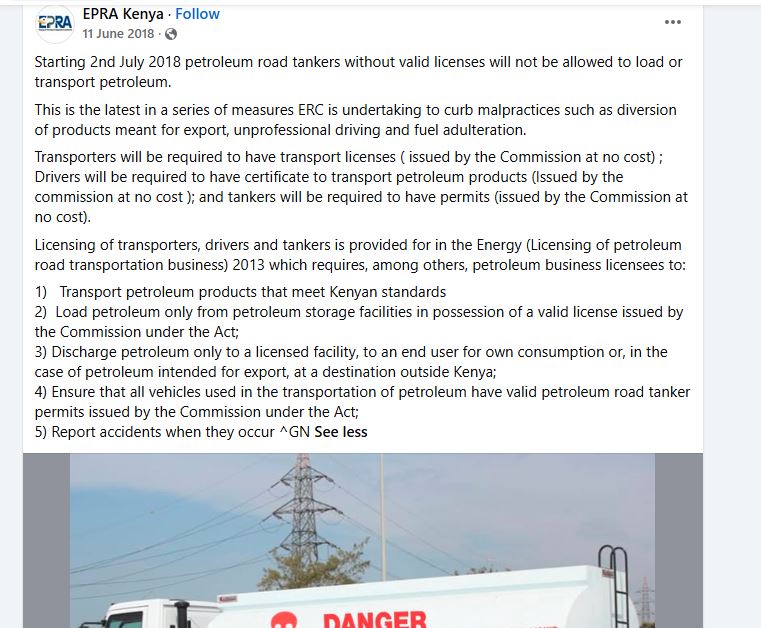
“EPRA certificate” is a broad phrase commonly used when referring to licences, permits and professional certificates issued or regulated by the Energy and Petroleum Regulatory Authority.
EPRA regulates Kenya’s electricity, renewable energy, petroleum and coal sectors. Consequently, there is no single certificate covering every energy-related activity.
In petroleum logistics, three approvals should not be confused:
-
A petroleum road transportation business licence for the operator
-
A petroleum road tanker permit for the vehicle
-
A petroleum tanker driver certificate for the driver
The exact approval required depends on whether you operate the transport company, own or lease the tanker, or drive the vehicle.
Who Needs an EPRA Petroleum Transport Licence?
A business transporting petroleum products in bulk by road generally requires an EPRA petroleum road transportation business licence.
This may apply to:
-
Fuel-distribution companies
-
Petroleum wholesalers operating tanker fleets
-
Independent tanker owners
-
Logistics companies contracted to transport fuel
-
Businesses transporting petroleum across Kenya or to neighbouring countries
Having an NTSA-compliant truck does not replace EPRA approval. Petroleum transporters must comply with both ordinary road-transport rules and the additional requirements governing hazardous petroleum cargo.
EPRA Petroleum Transport Licence Requirements

The documents requested can depend on the applicant and licence category. For the transport of petroleum products other than LPG, an applicant should generally prepare:
-
Certificate of incorporation or business registration
-
Current CR12 for a limited company
-
Identification documents for the directors
-
Valid KRA Tax Compliance Certificate
-
County Single Business Permit
-
Vehicle logbooks for the prime mover and trailer
-
Lease agreement where a vehicle is not registered to the applicant
-
Valid motor-vehicle inspection certificates
-
List of the prime movers and their corresponding trailers
-
Tank calibration certificates
-
County fire-clearance certificates for the vehicles
-
Details of the company’s directors and operating premises
EPRA may request additional information depending on the application, tanker configuration and applicable regulations. Applicants should therefore confirm the current checklist on the official licensing portal before submission.
How to Apply Through the EPRA Licensing Portal
EPRA licence applications are generally submitted online. Visit the official EPRA website and follow the link to the Licensing Portal.
Create a business account if you are a new applicant. After activating the account, log in and open the licence-management section. Select a new petroleum-sector application and choose the appropriate road-transport licence category.
Enter the company, directors, premises and vehicle information before uploading clear copies of the supporting documents. Ensure the vehicle registration numbers, company names and ownership details correspond across the logbooks, inspection certificates, calibration records and lease agreements.
Review everything carefully before submitting. Incomplete, expired or inconsistent documents can delay the application or lead to its rejection.
How Much Does an EPRA Petroleum Transport Licence Cost?
EPRA’s published guidance for the transport of petroleum products other than LPG by road states that no fee is charged for petroleum business licences.
However, obtaining the licence is not entirely cost-free. An operator may still incur costs for:
-
Tanker inspection
-
Tank calibration
-
Fire clearance
-
County business permits
-
Vehicle insurance
-
Driver training and certification
-
Preparation of safety and emergency-response documentation
Always verify the current charges with EPRA and the agencies issuing supporting approvals. Avoid paying money to individuals using unofficial numbers or claiming they can guarantee licence approval.
How Long Is the EPRA Licence Valid?
EPRA’s published application guidance states that the petroleum road-transport business licence is valid for one year from its date of issue.
Operators should monitor the expiry dates of the business licence, tanker permits, inspection certificates, calibration certificates and driver certifications. A valid company licence does not automatically make a tanker with expired documentation compliant.
Start the renewal process early to avoid disrupting contracts and fuel deliveries.
Does Every Petroleum Tanker Need a Permit?
Yes. The transport business licence applies to the operator, while every tanker used to carry petroleum must possess the required valid tanker permit.
A transporter adding another prime mover or trailer to its fleet should not assume that the existing business licence automatically covers the new vehicle. The operator should follow EPRA’s procedure for adding or amending vehicle details.
Where the truck or trailer is leased, the applicant may need to provide the corresponding lease agreement and ownership documentation.
Do Petroleum Tanker Drivers Need EPRA Certification?
A tanker should be driven by a person holding the applicable petroleum tanker driver certificate. A normal driving licence alone may not satisfy the requirements for transporting bulk petroleum.
Driver certification is intended to ensure that the person understands tanker safety, loading and unloading procedures, emergency response and the risks associated with petroleum products.
Transport companies should verify both the driver’s ordinary driving licence and petroleum tanker certification before assigning a trip.
Responsibilities of a Licensed Petroleum Transporter

Getting the licence is only the beginning. A licensed operator must maintain safe and compliant operations.
The transporter should use approved vehicles and certified drivers, conduct pre-loading inspections, maintain an emergency preparedness plan and observe approved loading, delivery, parking and transport procedures.
Petroleum should be loaded from licensed facilities and delivered only to lawful destinations, such as licensed facilities, authorised end users or approved export destinations.
The Petroleum (Licensing of Petroleum Road Transportation Business) Regulations, 2025 also provide the current legal framework governing business licences, tanker permits, driver certification and operating obligations.
How to Verify an EPRA Licence
Before engaging a tanker operator, petroleum dealer or fuel supplier, check whether the business appears in EPRA’s licence register or confirm its status directly with the Authority.
Do not rely solely on a certificate sent through WhatsApp. Examine the registered company name, licence category, licence number and expiry date. The tanker and its driver should also have the relevant current approvals.
Licence verification protects fuel owners, logistics contractors and customers from unsafe operators, cargo detention and costly supply-chain interruptions.