Drunk Driving Rules in Kenya Explained: Legal Alcohol Limits, Penalties & Breathalyzer Tests
2026-02-08 02:22:59
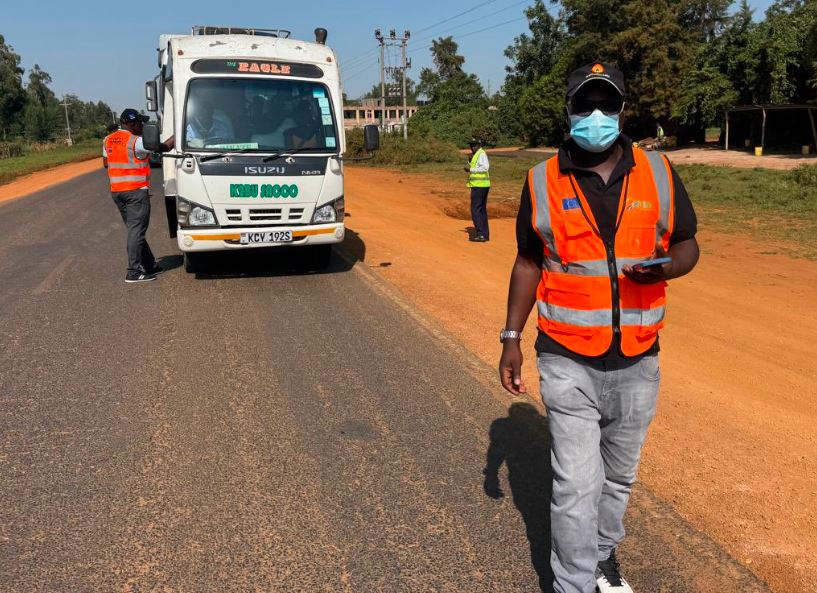
The Traffic (Drunk Driving) Rules, 2023 provide a clear legal framework on alcohol consumption and driving in Kenya. These rules define what constitutes drunk driving, the legal alcohol limits for different drivers, and how enforcement is carried out on Kenyan roads
Understanding these rules is critical for private motorists, commercial drivers, fleet operators, and public service vehicle (PSV) owners.
What Is Considered Drunk Driving in Kenya?
Under the law, drunk driving refers to driving or being in control of a motor vehicle after consuming alcohol beyond the prescribed legal limit. This applies whether a vehicle is moving, parked on a public road, or involved in an accident.
A driver does not need to appear intoxicated — exceeding the legal alcohol threshold alone is enough to constitute an offence.
Legal Alcohol Limits Explained
Kenya applies different alcohol limits depending on the type of driver:
For PSV, commercial, and school transport drivers:
Zero tolerance
0 microgrammes of alcohol in breath
0 milligrammes of alcohol in blood or urine
For private drivers:
Up to 35 microgrammes per 100 ml of breath
Up to 80 milligrammes per 100 ml of blood
Up to 107 milligrammes per 100 ml of urine
Any amount beyond these limits is illegal and punishable by law
Breathalyzer and Alcohol Testing Powers
Police officers in uniform are legally allowed to require a driver to provide a breath, blood, or urine specimen if:
A traffic offence has occurred
Alcohol consumption is suspected
A road accident has taken place
Breathalyzer devices used must be approved, hygienic, and properly calibrated to ensure accurate results.
What Happens If a Driver Refuses Testing?
Refusing to provide a specimen is itself an offence. The law treats refusal as automatic intoxication, and the driver becomes subject to the same penalties as someone found above the legal alcohol limit
Penalties and License Suspension
In addition to penalties under the Traffic Act:
PSV and commercial drivers face automatic license suspension for six months if found with any alcohol in their system
Repeat private offenders may also have their licenses suspended
These penalties reflect the law’s emphasis on road safety, especially for vehicles carrying passengers or heavy cargo.
Why This Law Matters for Drivers and Fleet Owners
The rules place responsibility not just on drivers, but also on fleet operators and transport businesses. Employers risk vehicle downtime, loss of drivers, and reputational damage if compliance is ignored.
For commercial transport, the law reinforces the need for:
Zero-alcohol policies
Driver awareness training
Compliance monitoring