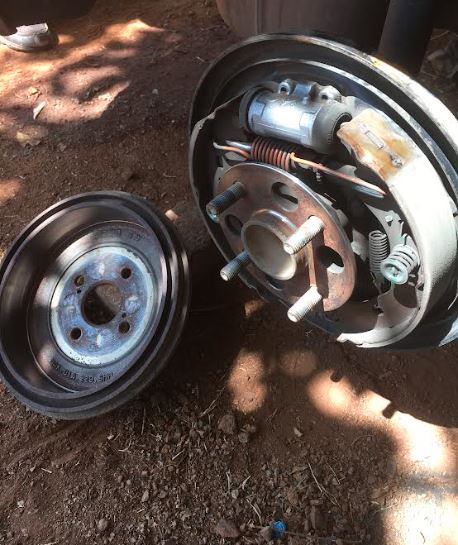
When it comes to vehicle braking systems, many drivers get confused between brake discs, brake pads, and brake linings.
Are they the same?
Which is better — disc brakes or drum brakes?
When should brake linings be replaced?
Let’s break it down clearly.
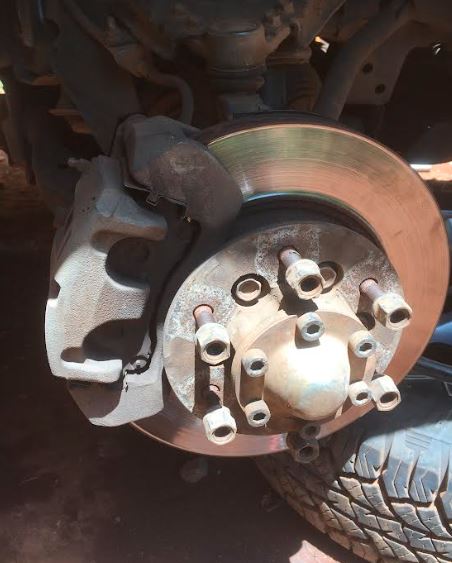
What Is a Brake Disc?
A brake disc (rotor) is a flat, circular metal plate attached to the wheel hub.
When you press the brake pedal:
-
The brake caliper squeezes
-
Brake pads clamp onto the disc
-
Friction slows the wheel
Disc brakes are commonly found on:
-
Front wheels of most vehicles
-
Performance cars
-
Modern motorcycles
They offer:
✔ Better heat dissipation
✔ Strong stopping power
✔ Improved wet performance
A brake lining is the friction material used inside drum brake systems.
In drum brakes:
-
The brake shoe presses outward
-
The lining contacts the inside of a rotating drum
-
Friction slows the vehicle
Brake linings are commonly used in:
-
Rear wheels of many cars
-
Trucks
-
Commercial vehicles
-
Older vehicle models
Brake Pad vs Brake Lining – What’s the Difference?
| Brake pads | used in disc brake systems. |
| Brake linings | used in drum brake systems. |
Disc Brakes vs Drum Brakes – Which Is Better?
🔹 Disc Brakes Advantages:
-
Better stopping performance
-
Faster cooling
-
More resistant to brake fade
-
Easier inspection and maintenance
🔹 Drum Brakes Advantages:
-
Lower cost
-
Longer lifespan in rear applications
-
Strong parking brake capability
Most modern vehicles use:
-
Disc brakes in the front
-
Drum brakes in the rear
This combination balances performance and cost.
How Do You Know Your Brake Lining Is Worn?
Common warning signs include:
-
Grinding noise when braking
-
Reduced braking power
-
Handbrake becomes weak
-
Vibration during braking
-
Visible thinning of lining material
Brake linings should generally be replaced when thickness falls below safe limits (usually under 3mm).
Ignoring worn linings can:
-
Damage brake drums
-
Reduce stopping ability
-
Increase repair costs
When Should Brake Components Be Replaced?
Brake pads typically last:
30,000–70,000 km
Brake linings can last longer depending on:
-
Driving style
-
Vehicle load
-
Road conditions
Regular inspection during service is critical.