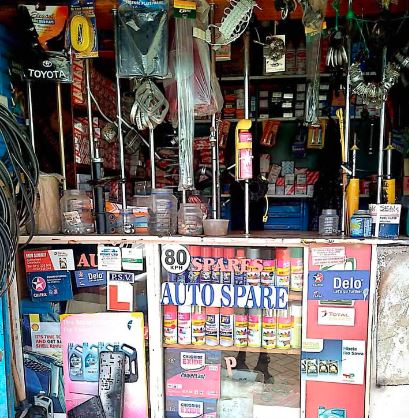
Customer Service Is the Real Engine of Repeat Sales
In the spare parts business, price alone does not build loyalty. You can stock genuine parts, offer competitive pricing, and still lose customers if the service experience is poor. What keeps customers coming back is trust, speed, and how they are treated before and after the sale.
Strong customer service turns a one-time buyer into a long-term client—and long-term clients are what sustain profitable spare parts businesses.
1. Build Trust Through Knowledge
Most customers do not know the exact part they need. They describe symptoms, not part names. When you confidently identify the correct part, explain why it fits, and offer simple guidance, you immediately position yourself as an expert.
Customers return to shops that educate, not shops that guess. Knowledge builds trust, and trust builds repeat business.
2. Fast and Organized Service Wins Loyalty
Time matters in the spare parts industry. Mechanics, fleet owners, and riders want solutions quickly. Long waiting times and disorganized shelves push customers away.
Clear labeling, grouped inventory, and ready-to-go kits for common repairs reduce delays and improve the buying experience. When service is fast and smooth, customers remember—and return.
3. Personal Service Makes Customers Feel Valued
People don’t forget how you make them feel. Calling customers by name, remembering their vehicle type, or recalling past purchases creates instant connection.
Simple records—whether a notebook, WhatsApp list, or spreadsheet—help you personalize service without expensive systems. Personal attention turns ordinary customers into loyal regulars.
4. After-Sales Support Builds Long-Term Trust
Customer relationships should not end at the counter. Following up to confirm whether a part fitted correctly shows genuine care.
A quick message or call reassures customers and sets your shop apart from competitors who disappear after payment. After-sales support builds confidence and encourages repeat purchases.
5. Handle Problems Professionally
Mistakes happen: wrong parts, faulty items, misunderstandings. Customers don’t leave because problems occur—they leave because of how problems are handled.
Clear return policies, polite communication, and quick solutions turn frustration into loyalty. When handled well, a problem can actually strengthen customer trust.
6. Reward Loyalty and Encourage Referrals
Repeat customers deserve recognition. Small discounts, priority service, or referral rewards motivate customers to keep coming back and to bring others with them.
Loyalty programs don’t need to be complex. Even simple incentives create habits—and habits drive consistent sales.