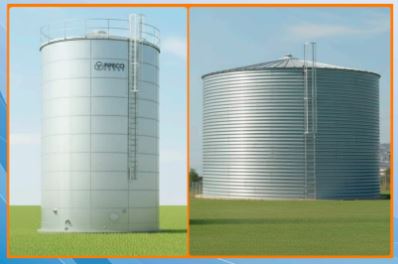
China has become one of the world's largest manufacturers of industrial water storage systems, supplying projects across Africa, the Middle East, Asia, and South America. Whether you're developing a commercial building in Kenya, an irrigation project in Zambia, a mining operation in Ghana, or a municipal water project in Tanzania, sourcing steel water tanks directly from China can offer access to advanced manufacturing, international certifications, and a wide range of tank capacities.
However, importing industrial water tanks is very different from buying household plastic tanks. Buyers must consider material selection, shipping logistics, technical specifications, corrosion protection, installation requirements, and supplier credibility before placing an order.
This guide explains everything African importers should know before sourcing steel water tanks from China.
Why Do African Buyers Source Water Tanks from China?
Chinese manufacturers have invested heavily in automated production lines, engineering, and international quality standards. As a result, many EPC contractors, governments, NGOs, agricultural companies, and industrial developers source tanks directly from China for large-scale infrastructure projects.
Some of the advantages include:
- Large storage capacities ranging from a few cubic metres to several million litres
- Custom-engineered designs for different industries
- International quality certifications
- Worldwide shipping experience
- Modular tank systems that can be assembled on-site
- Technical engineering support
For projects requiring long service life and high structural performance, steel tanks often provide greater durability than conventional plastic storage tanks.
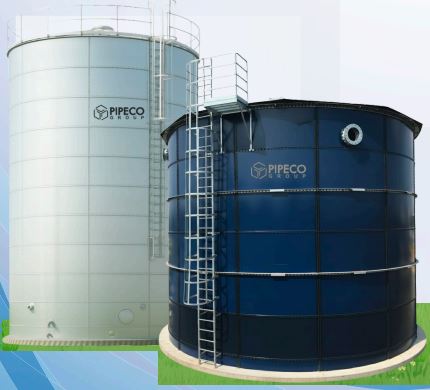
Types of Steel Water Tanks Available from China
1. Galvanized Steel Water Tanks
Galvanized tanks are manufactured using steel coated with zinc to improve corrosion resistance. They are widely used for:
- Community water projects
- Irrigation schemes
- Industrial facilities
- Commercial buildings
- Municipal water storage
Their modular bolted design also makes transportation and installation easier for remote African projects.
2. Stainless Steel Water Tanks
Stainless steel tanks are preferred where hygiene and corrosion resistance are critical.
Typical applications include:
- Food processing plants
- Hospitals
- Pharmaceutical industries
- Hotels
- Drinking water storage
These tanks require minimal maintenance and offer excellent longevity in demanding environments.
3. Glass Fused Steel (GLS) Tanks
Glass Fused Steel (GLS) tanks combine the strength of steel with a glass coating fused at high temperatures. This creates a highly durable surface resistant to corrosion, chemicals, and harsh environmental conditions.
They are commonly used for:
- Wastewater treatment plants
- Biogas systems
- Industrial process water
- Mining operations
- Municipal water projects
Because of their long lifespan, GLS tanks are increasingly being adopted across Africa for infrastructure projects.
Industries That Import Steel Water Tanks
Chinese steel tanks serve a wide range of sectors, including:
- Agriculture and irrigation
- Dairy farms
- Mining
- Manufacturing
- Oil and gas
- Hotels and resorts
- Hospitals
- Universities
- Schools
- Fire protection systems
- Water treatment plants
- County and municipal governments
Their versatility makes them suitable for both public and private sector developments.
What to Check Before Choosing a Chinese Manufacturer
Before placing an order, verify the following:
Manufacturing Experience
Choose suppliers with proven experience in exporting industrial water tanks internationally.
International Certifications
Look for recognised certifications such as:
- ISO Quality Management
- NSF
- UL
- FM Approval
- ANSI compliance (where applicable)
These certifications demonstrate that products meet recognised quality and safety standards.
Engineering Support
A reliable manufacturer should provide:
- Technical drawings
- Foundation requirements
- Installation manuals
- Structural calculations
- After-sales support
Engineering documentation is particularly important for large commercial and government projects.
Shipping Steel Water Tanks from China to Africa
Most industrial tanks are shipped in modular components inside standard shipping containers.
Typical shipping methods include:
- FOB (Free on Board)
- CIF (Cost, Insurance and Freight)
- CFR (Cost and Freight)
Once the shipment arrives at the destination port, the tank is assembled on-site, significantly reducing transportation costs compared to shipping fully assembled structures.
Questions to Ask Before Ordering
Before signing a purchase agreement, ask your supplier:
- What material is used?
- Is the tank suitable for drinking water?
- What corrosion protection is included?
- What warranty is provided?
- Are installation drawings supplied?
- Can replacement panels be ordered in future?
- Is technical support available during installation?
- Which international standards does the tank comply with?
Submit your project requirements today and receive expert guidance in selecting the right steel water tank solution for your application.