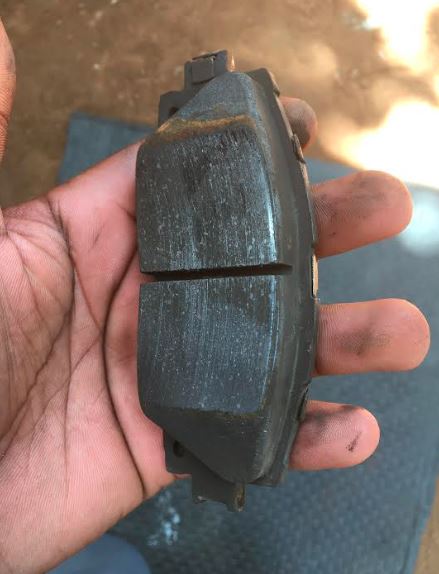
Brake pads are one of the most important safety components in any vehicle.
They may look small and simple — but they are the reason your car stops safely.
If you’re searching for brake pads price, replacement cost, or signs of worn brake pads, this guide will help you understand everything you need to know.
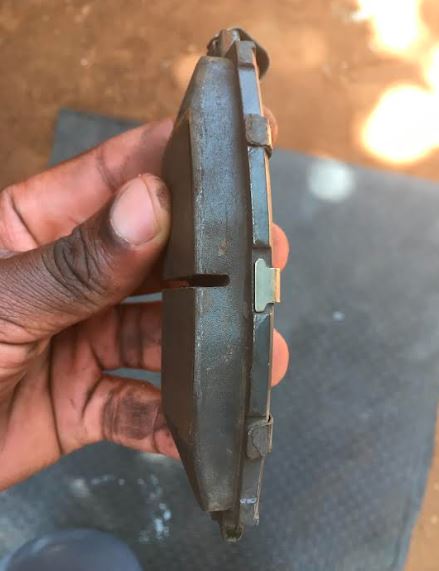
What Do Brake Pads Do?
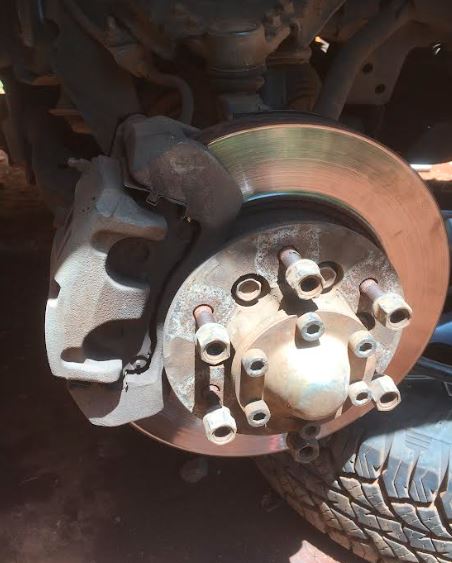
Brake pads press against the brake disc (rotor) when you step on the brake pedal.
This creates friction, which:
-
Slows the wheels
-
Stops the vehicle
-
Prevents accidents
How Long Do Brake Pads Last?
On average, brake pads last between:
30,000 to 70,000 kilometers
(or 20,000–45,000 miles)
However, lifespan depends on:
-
Driving habits
-
Traffic conditions
-
Vehicle type
-
Brake pad material
-
Road conditions
Aggressive braking and heavy traffic shorten lifespan significantly.
Warning Signs Your Brake Pads Are Worn Out
Here are the most common symptoms:
1️⃣ Squeaking or Screeching Noise
High-pitched noise when braking is often the first sign.
2️⃣ Grinding Sound
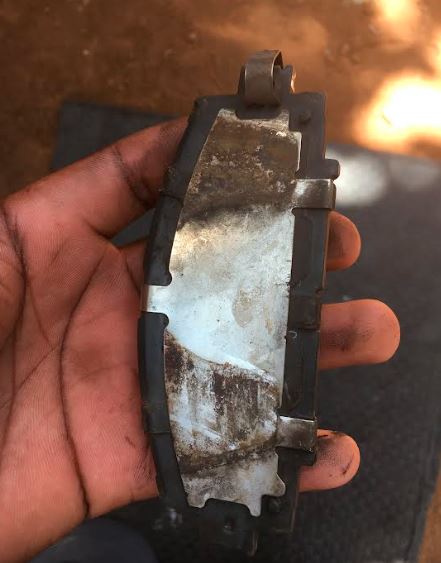
If you hear grinding, the brake pad material may be completely worn, and metal is contacting the rotor.
3️⃣ Reduced Braking Performance
Longer stopping distance is a serious warning.
4️⃣ Brake Pedal Vibration
Uneven wear can cause vibration during braking.
5️⃣ Visible Thin Pads
If the friction material looks less than 3mm thick, replacement is recommended.
Ignoring these signs can damage the brake discs — making repairs much more expensive.
Types of Brake Pads
There are three main types:
🔹 Organic Brake Pads
-
Affordable
-
Quieter
-
Shorter lifespan
🔹 Semi-Metallic Brake Pads
-
Durable
-
Better heat resistance
-
Slightly noisier
🔹 Ceramic Brake Pads
-
Premium option
-
Longer lifespan
-
Low dust
-
Higher cost
Choosing the right type depends on your driving style and vehicle needs.
Brake Pads Price & Replacement Cost
Brake pad pricing varies depending on:
-
Vehicle model
-
Brand (OEM vs aftermarket)
-
Material type
-
Location
Typically, front brake pads cost more than rear pads because they handle more braking force.