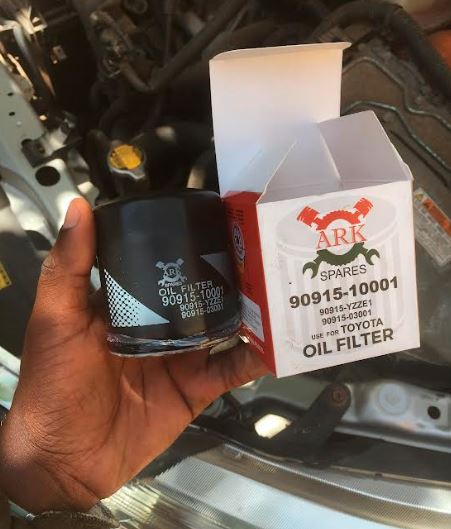
The auto spare parts business is one of the most resilient and consistently profitable industries worldwide. Every day, millions of vehicles — private cars, taxis, delivery vans, trucks, and motorcycles — require maintenance and replacement parts.
The demand is constant.
Yet despite this steady demand, many new spare parts dealers struggle or shut down within their first year.
The reason isn’t lack of opportunity.
It’s avoidable beginner mistakes.
Here are the 9 most common mistakes new spare parts business owners make — and how to avoid them.
1️⃣ Starting Without Market Research
Many beginners open a spare parts shop based on assumption rather than strategy.
They rent a space, purchase random stock, and wait for customers.
But spare parts demand is highly location-based and vehicle-specific. The models dominating one city may be completely different in another.
Smart strategy:
-
Observe which vehicles are most common in your area.
-
Visit local garages and workshops.
-
Ask mechanics which parts they struggle to find.
-
Identify fast-moving service components.
Stock based on real demand — not guesswork.
2️⃣ Stocking Too Many Slow-Moving Parts
New dealers often invest heavily in expensive engine components or rare parts hoping for high profit margins.
The result? Capital gets locked in shelves.
Spare parts retail is about inventory rotation, not large one-time margins.
Fast-moving items such as:
-
Oil filters
-
Brake pads
-
Air filters
-
Spark plugs
-
Belts and suspension components
Generate steady cash flow and repeat customers.
One part selling 10 times per week is more powerful than one part selling once every six months.
3️⃣ Ignoring Customer Service
In the spare parts industry, relationships drive revenue.
Mechanics, workshop owners, fleet operators, and repeat customers form the backbone of consistent sales.
Common service mistakes include:
-
Being dismissive or rude
-
Refusing reasonable exchanges
-
Arguing over compatibility issues
Trust is currency in this industry. When customers feel respected and supported, they return — and they refer others.
4️⃣ Selling Low-Quality or Counterfeit Parts
Short-term profit from poor-quality parts can permanently damage your reputation.
When parts fail:
-
Customers lose confidence
-
Mechanics stop recommending your store
-
Negative word-of-mouth spreads quickly
Your reputation compounds over time — positively or negatively.
Build your business on reliability, not quick margins.
5️⃣ Poor Inventory Management
Many beginners focus on selling but neglect tracking.
Without proper inventory records, you won’t know:
-
Which items are running out
-
Which products haven’t sold in months
-
Your actual profit margins
Track:
-
Purchase cost
-
Selling price
-
Quantity in stock
-
Daily sales
Even simple spreadsheets can prevent costly mistakes.
What isn’t tracked leaks.
6️⃣ Competing Only on Price
New shops often try to undercut competitors to attract customers.
Lower prices may increase traffic — but shrinking margins weaken your business.
Price-sensitive customers rarely stay loyal. They follow whoever is cheaper tomorrow.
Instead of competing on price, compete on:
-
Product availability
-
Reliability
-
Professional advice
-
Convenience
-
Delivery options
Value builds stability. Price wars destroy margins.
7️⃣ Choosing the Wrong Location
Visibility matters in a physical spare parts store.
Hidden locations with low vehicle traffic or no nearby workshops limit growth.
The best locations are typically:
-
Near auto repair garages
-
Close to high-traffic roads
-
Around vehicle service centers
-
Near fuel stations or fleet hubs
Foot traffic and mechanic proximity increase daily sales opportunities.
8️⃣ Mixing Business and Personal Finances
Many small auto parts businesses fail because owners treat the cash register like a personal ATM.
Separating business and personal finances is critical.
-
Track actual profit.
-
Pay yourself a fixed amount.
-
Reinvest into inventory before increasing personal expenses.
Protect your capital. It’s the engine of your business.
9️⃣ Having No Marketing Strategy
Opening a shop isn’t marketing.
Consistent visibility builds authority.
Simple marketing strategies include:
-
Posting new stock updates on social media
-
Joining local mechanic or fleet groups
-
Offering delivery to nearby workshops
-
Maintaining a clean, professional storefront
Marketing is simply reminding customers that you exist — and that you’re reliable.