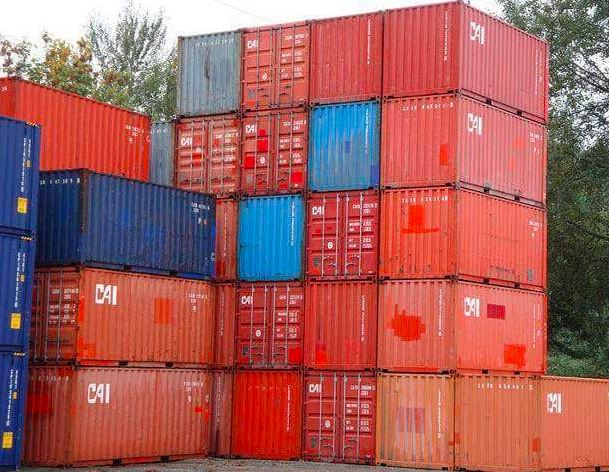
Image of a 20 Foot container by Frontier Containers
Whether you're importing goods from China, transporting agricultural products, or planning warehouse storage, choosing between a 20-foot and 40-foot shipping container can significantly affect your transport costs and operational efficiency. While both containers are international ISO standards, they differ in capacity, weight, and the type of cargo they are best suited to carry.

A container Mall by Frontier Containers
Understanding these differences helps importers, exporters, freight forwarders, and logistics professionals make informed decisions before booking cargo.
What Is a 20ft Shipping Container?
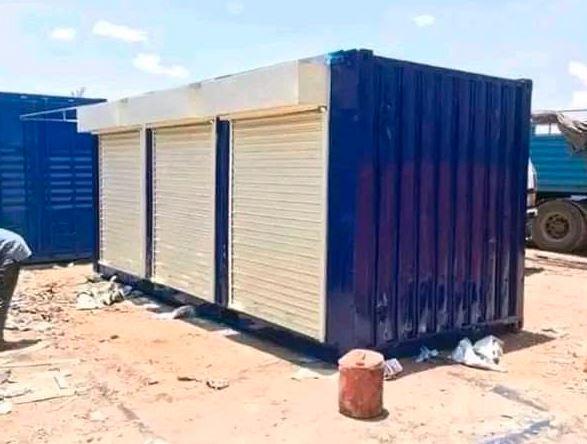
Image of a Fabricated 20 Foot by Frontier Containers
The 20-foot container is the workhorse of international shipping. Although shorter than its 40-foot counterpart, it can carry very heavy cargo because its payload capacity is high relative to its size.
Typical 20ft Container Specifications
| Specification | 20ft Container |
| External Length | 6.06 metres (20 ft) |
| External Width | 2.44 metres |
| External Height | 2.59 metres |
| Internal Capacity | Approximately 33 m³ |
| Maximum Gross Weight | Around 30,480 kg |
| Empty (Tare) Weight | Around 2,300 kg |
| Maximum Payload | Around 28,000 kg |
A 20ft container is commonly used for:
- Machinery
- Construction materials
- Coffee exports
- Tea exports
- Steel products
- Agricultural produce
- Mining equipment
Because it fills up by weight before space, it is often the preferred choice for dense cargo.
What Is a 40ft Shipping Container?
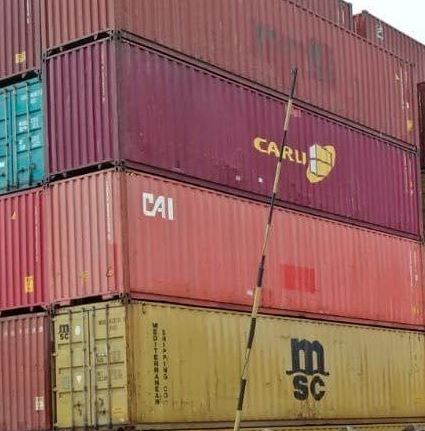
Image of 40 Foot container by Frontier Containers
A 40-foot container offers nearly double the storage volume of a 20ft container while maintaining the same standard width. It is ideal for businesses transporting bulky but relatively lightweight goods.
Typical 40ft Container Specifications
| Specification | 40ft Container |
| External Length | 12.19 metres (40 ft) |
| External Width | 2.44 metres |
| External Height | 2.59 metres |
| Internal Capacity | Approximately 67 m³ |
| Maximum Gross Weight | Around 30,480 kg |
| Empty (Tare) Weight | Around 3,700–4,000 kg |
| Maximum Payload | Around 26,000–27,000 kg |
A 40ft container is widely used for transporting:
- Furniture
- Consumer goods
- Clothing and textiles
- Electronics
- FMCG products
- Plastic products
- Retail inventory
Although it provides much more space, its payload is slightly lower because the container itself weighs more.
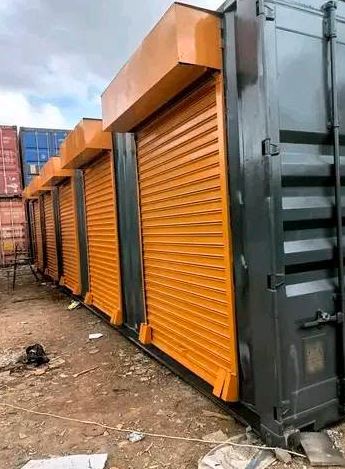
Image of a 40 foot container by Frontier Containers
20ft vs 40ft Container: Key Differences
| Feature | 20ft | 40ft |
| Length | 6.06 m | 12.19 m |
| Width | 2.44 m | 2.44 m |
| Height | 2.59 m | 2.59 m |
| Capacity | ~33 m³ | ~67 m³ |
| Best For | Heavy cargo | Bulky cargo |
| Easier to Move | ✅ Yes | Slightly more demanding |
In simple terms:
- Choose a 20ft container if your cargo is heavy and compact.
- Choose a 40ft container if your cargo is bulky and needs more volume.
Understanding Gross Weight, Tare Weight and Payload
Many first-time importers confuse these three terms:
- Gross Weight – The maximum allowed weight of the container and its cargo combined.
- Tare Weight – The weight of the empty container.
- Payload – The maximum weight of the goods you can load into the container.
Understanding these limits helps prevent overloading, avoids shipping delays, and ensures compliance with transport regulations.
What Is CBM?
CBM stands for Cubic Metres, which measures the volume available inside a shipping container.
Freight companies often calculate shipping charges based on CBM, especially for less-than-container-load (LCL) shipments. Knowing your cargo's CBM helps determine how much space it occupies and whether a 20ft or 40ft container is more economical.
Which Container Should You Choose?
Your decision depends on several factors:
- Total cargo weight.
- Cargo volume.
- Shipping cost.
- Warehouse storage space.
- Truck transport requirements.
- Loading and unloading equipment.
Selecting the correct container can reduce freight costs, improve loading efficiency, and minimize unused space.
Why Every Logistics Professional Should Know Container Dimensions
Container dimensions are among the first concepts taught in logistics because they influence:
- Freight forwarding.
- Warehouse planning.
- Import and export operations.
- Customs documentation.
- Fleet planning.
- Port handling.
- Distribution and supply chain management.
Whether you're a student, importer, transporter, or warehouse manager, mastering container specifications is an essential logistics skill.
From shipping containers and Incoterms to warehousing, transport regulations, heavy equipment, and freight operations, Monolith Africa provides practical logistics guides designed for students, transport professionals, importers, exporters, and businesses across Africa.